
8 Best Alternatives to Mailchimp 2026
Mailchimp is often the first email marketing tool teams start with. It's easy to use. The brand is familiar. And for basic newsletters, it gets the job done.
But as your business grows, Mailchimp starts to feel limiting.
Automation is shallow. Pricing jumps quickly as your list grows. And teams that want personalization, smarter workflows, or multi-use email strategies often realize they've outgrown it faster than expected.
That's when the question comes up:
"What are the best alternatives to Mailchimp?"
This guide walks through 8 of the strongest Mailchimp alternatives, ranked by real-world use cases. Each tool is framed specifically as a replacement for Mailchimp, so you can clearly see what improves, what changes, and where the trade-offs are.
Mailchimp vs Alternatives — Quick Snapshot
| Tool | How It Compares to Mailchimp | Best For | Stronger | Weaker | Pricing |
|---|---|---|---|---|---|
| SendroAI | Smarter automation beyond newsletters | Teams needing AI-driven outreach & personalization | Less personalization; flexible automation | Custom template-heavy | Custom pricing via sales |
| ActiveCampaign | Automation-first platform | Teams scaling lifecycle marketing | Much deeper automation | Higher learning curve | Usage-based pricing |
| HubSpot | All-in-one CRM + marketing | Teams wanting one platform | CRM + reporting depth | Higher cost | Tiered pricing |
| Klaviyo | Ecommerce | DTC & focused ecommerce | Product-level triggers | Narrow beyond ecommerce | Usage-based pricing |
| Brevo | Budget-friendly | SMBs & startups | Multi-channel messaging | Less advanced automation | Tiered pricing |
| ConvertKit | Creator-focused | Creators & solopreneurs | Simplicity for content | Limited automation depth | Tiered pricing |
| Omnisend | Ecommerce alternative | Shopify-focused teams | Faster ecommerce setup | Weaker segmentation | Usage-based pricing |
| Campaign Monitor | Design-first email tool | Brand-led teams | Email design quality | Minimal automation | Tiered pricing |
SendroAI — Best Overall Alternative to Mailchimp
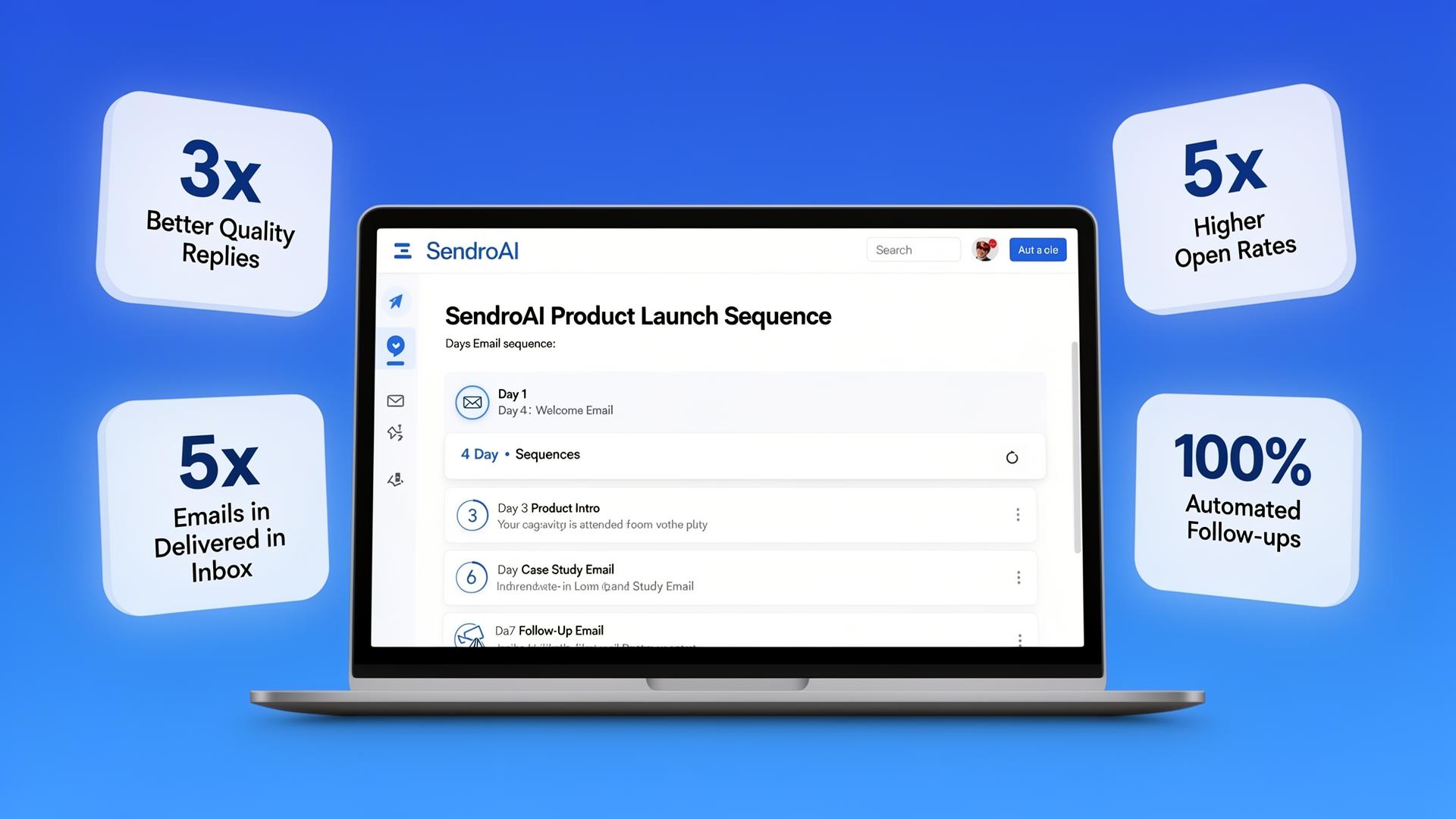
SendroAI is an AI-powered email automation and outreach platform built for teams that need more than newsletters and basic drip campaigns.
While Mailchimp focuses on templates and broadcasts, SendroAI focuses on intelligent personalization, adaptive automation, and scalable outreach.
Instead of manually segmenting lists and tweaking copy, SendroAI uses AI to tailor messages at scale.
- AI-driven personalization: Emails adapt to context, not just merge tags
- Flexible automation: Works for sales, lifecycle, and outbound — not only newsletters
- Scales without list anxiety: Not built around punishing contact-based pricing
- A-Z Testing: Optimizes subject lines, content, and timing together
- Automation feels too basic
- Personalization hits a ceiling
- Pricing rises faster than results
- Fewer design templates: Less emphasis on drag-and-drop visuals
- Not newsletter-first: Better for growth and engagement than content blasts
SendroAI appeals to teams that want email to actually drive conversations and conversions, not just sends.
SendroAI is the strongest upgrade for teams that want smarter email without complexity.
If Mailchimp feels too basic or too expensive for what it delivers, SendroAI is the strongest upgrade for teams that want smarter email without complexity.
SendroAI is the strongest upgrade for teams that want smarter email without complexity.
Try SendroAI NowActiveCampaign — Best Automation-Heavy Alternative to Mailchimp
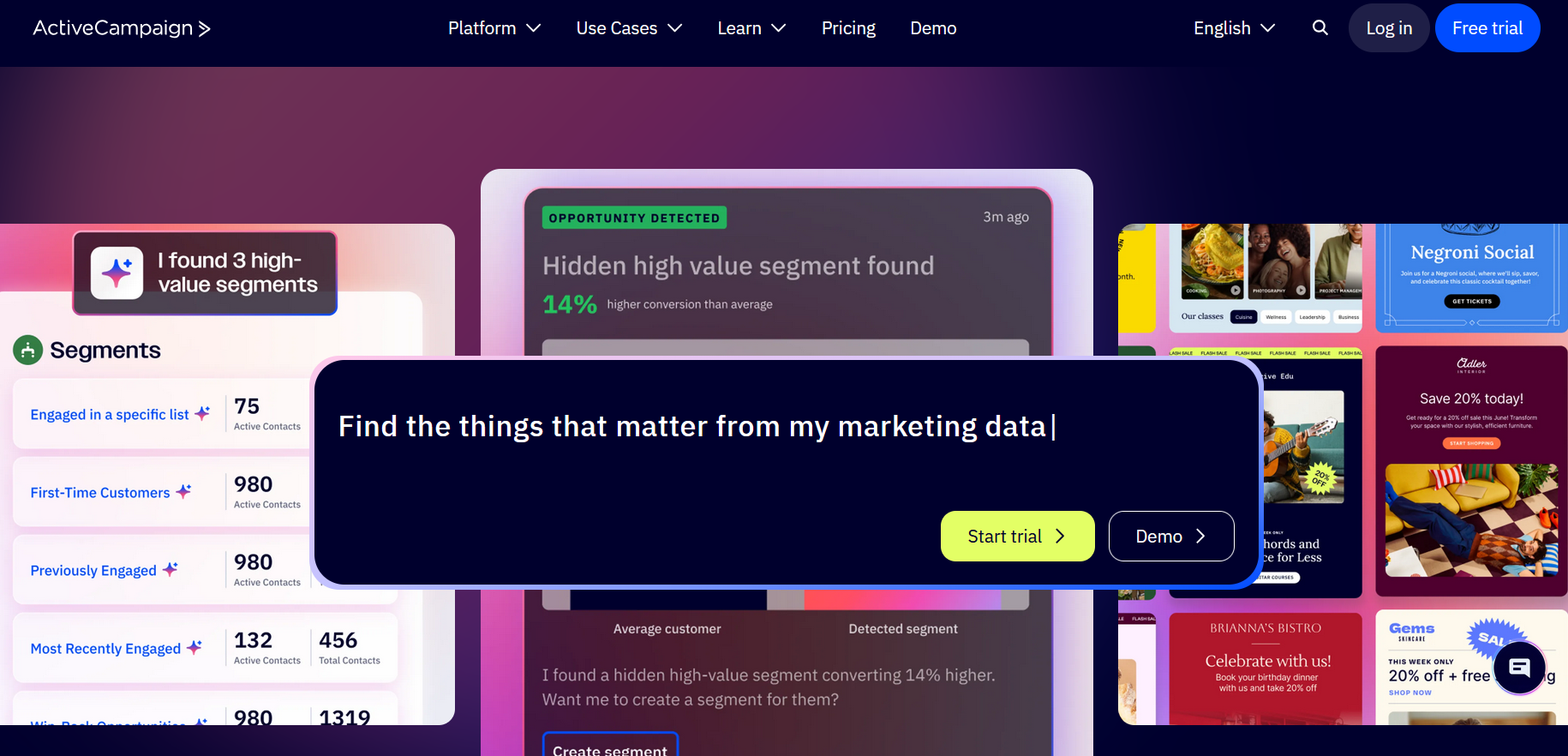
ActiveCampaign is an email marketing and automation platform built for teams that want full control over how users move through funnels. Compared to Mailchimp's basic automations, ActiveCampaign lets you build deeply branched workflows based on behavior, tags, conditions, and timing.
Where Mailchimp focuses on campaigns and broadcasts, ActiveCampaign is about systems.
- Advanced automation logic: Conditional paths, scoring, and triggers Mailchimp can't match
- Behavior-based messaging: Reacts to actions, not just list membership
- Lifecycle visibility: Better control over how leads mature over time
- Mailchimp automations feel limiting
- Lifecycle marketing becomes more complex
- Personalization needs to go beyond basic segments
- Learning curve: More power means more setup and maintenance
- Operational overhead: Automations require ongoing care
- Pricing growth: Costs increase as contact volume scales
A SaaS team outgrows Mailchimp's simple drip campaigns and needs onboarding, re-engagement, and upsell flows. ActiveCampaign gives them the flexibility to build those systems — at the cost of more complexity.
ActiveCampaign is a major upgrade if you need control and depth, but it's best for teams ready to manage that complexity long-term.
HubSpot — Best All-in-One Alternative to Mailchimp
HubSpot replaces Mailchimp with a full CRM-first marketing platform. Email marketing is just one part of a larger ecosystem that includes CRM, automation, reporting, content, and sales tools.
Mailchimp sends emails. HubSpot manages relationships.
- Native CRM: Contacts, deals, and emails live in one system
- Lifecycle reporting: Clear visibility from lead to customer
- Broader automation: Goes beyond email into workflows and tasks
- Email needs to connect directly to CRM data
- Sales and marketing alignment matters
- Reporting across the funnel becomes critical
- Cost: Advanced features live in higher tiers
- Feature gating: You pay more as needs grow
- Email depth: Not as flexible as automation-first tools
A growing B2B team finds Mailchimp disconnected from sales data. They move to HubSpot to centralize CRM and marketing — accepting higher costs for operational clarity.
HubSpot is ideal if email is part of a larger revenue system, not just a channel.
Klaviyo — Best Ecommerce Alternative to Mailchimp
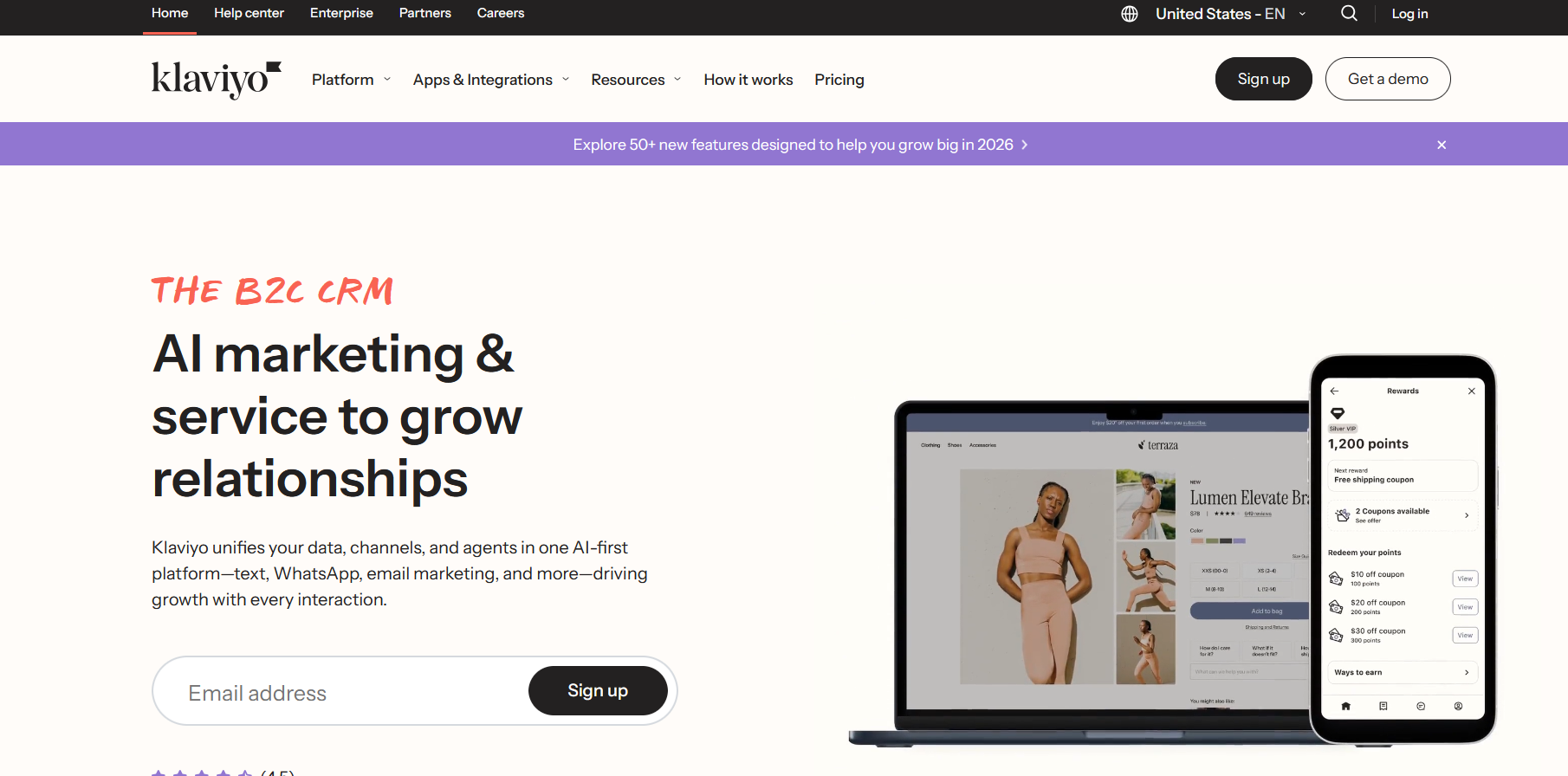
Klaviyo is an ecommerce-focused email and SMS platform built around store events, customer behavior, and product data. Compared to Mailchimp, it's far more transactional and revenue-driven.
- Product-level triggers: Deep integration with ecommerce platforms
- Revenue tracking: Clear connection between emails and sales
- Segmentation depth: Built specifically for ecommerce behavior
- Ecommerce revenue attribution matters
- Emails need to react to carts, views, and purchases
- Generic campaigns stop converting
- Narrow focus: Not designed for non-ecommerce use cases
- Usage-based pricing: Costs scale quickly with list growth
- Complexity: Requires thoughtful setup to avoid over-segmentation
A Shopify brand finds Mailchimp too generic and migrates to Klaviyo to unlock cart recovery, browse abandonment, and purchase-based flows.
Klaviyo is a strong upgrade for ecommerce brands — but overkill outside that world.
Brevo — Best Budget-Friendly Alternative to Mailchimp
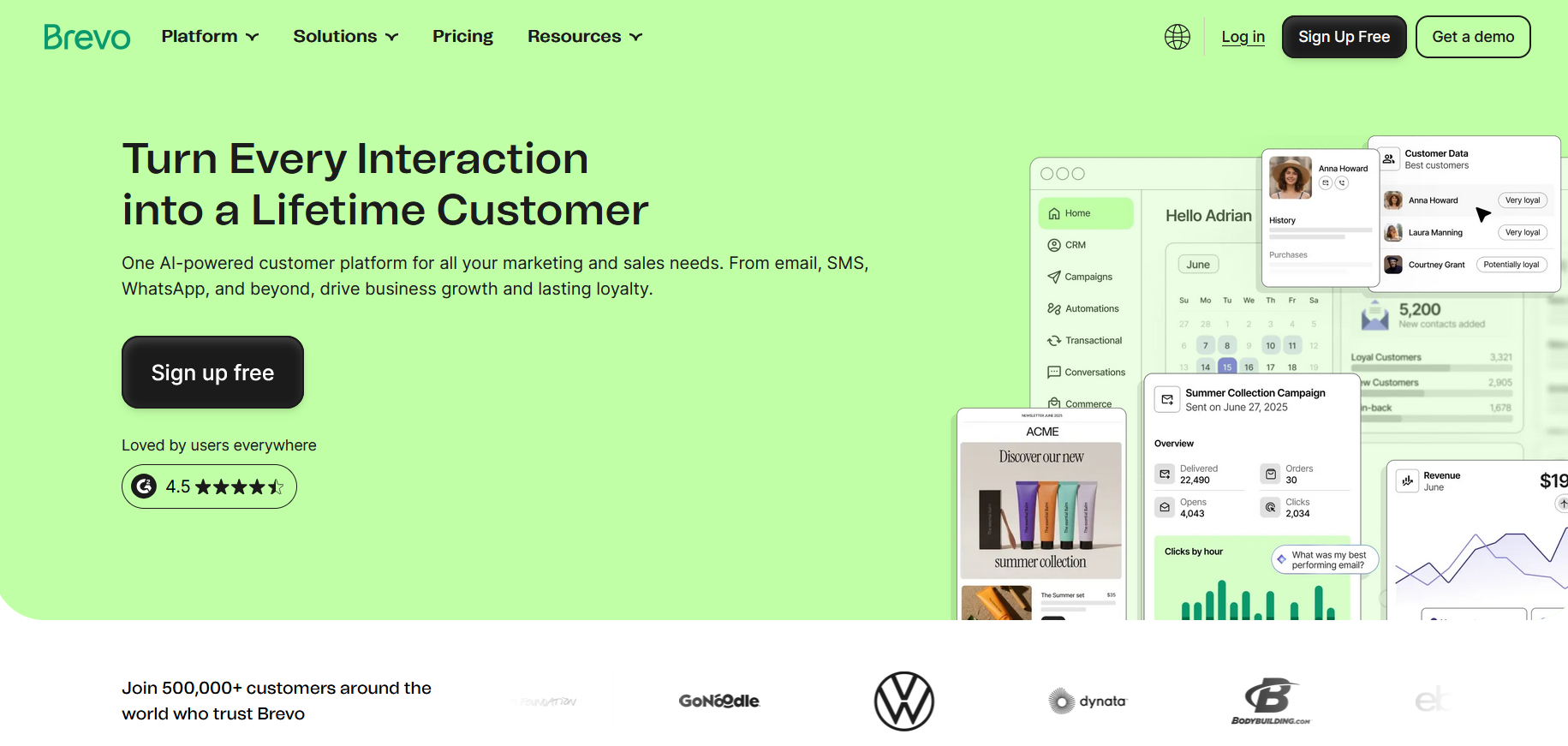
Brevo combines email, SMS, and basic automation into an affordable, multi-channel platform. It competes with Mailchimp on simplicity, but offers more flexibility at lower cost tiers.
- Cost efficiency: Often cheaper at similar list sizes
- Multi-channel messaging: Email + SMS in one place
- Want lower pricing predictability
- Need SMS alongside email
- Don't need advanced automation
- Automation depth: Limited compared to ActiveCampaign or SendroAI
- Personalization: More basic than AI-driven tools
- Scaling limits: Advanced teams may outgrow it
A small business finds Mailchimp pricing climbing and switches to Brevo to keep email and SMS running affordably.
Brevo is a practical swap if budget matters more than sophistication.
ConvertKit — Best for Creators and Solopreneurs
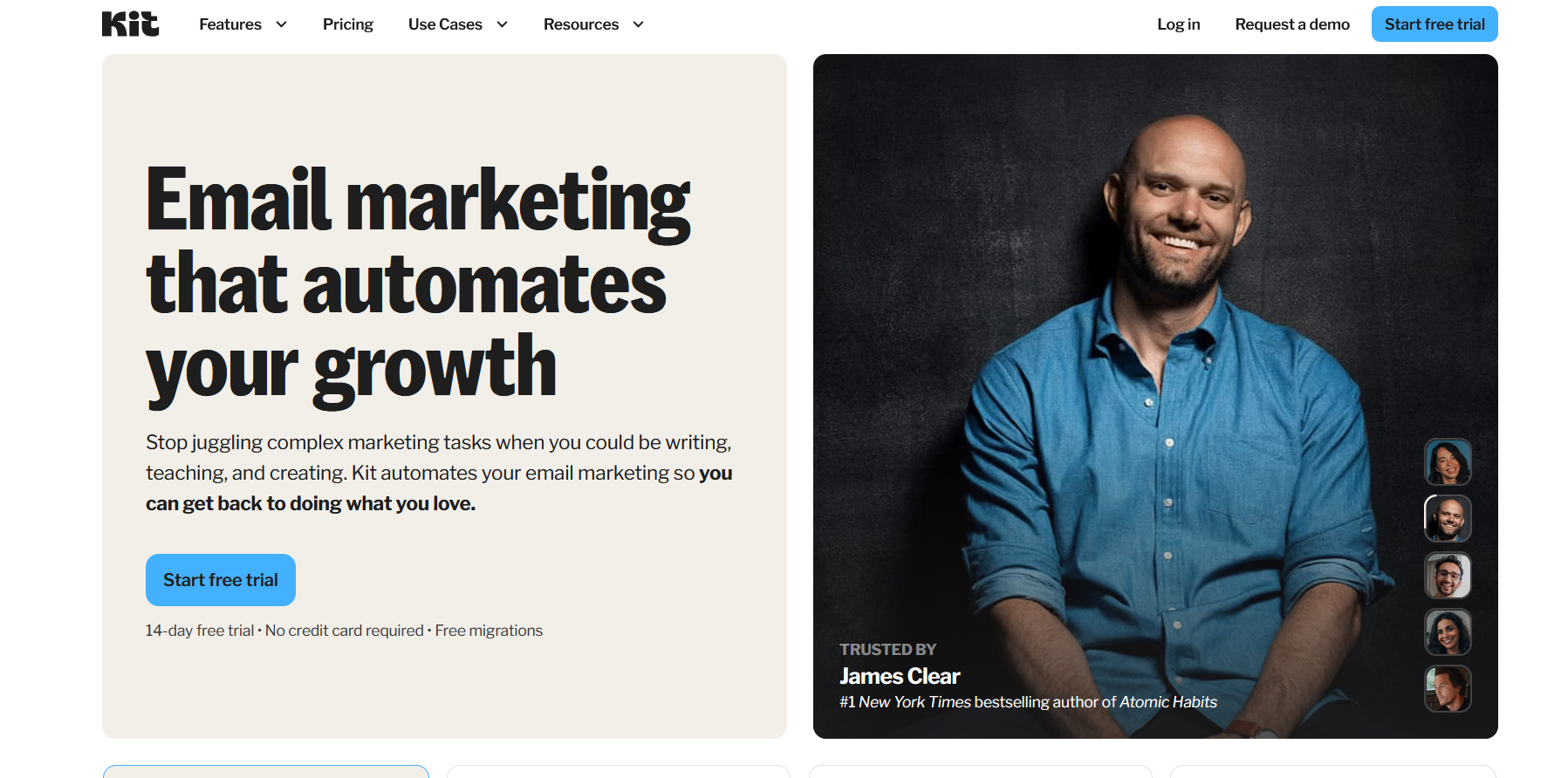
ConvertKit is built for creators, not marketers. Compared to Mailchimp's campaign-driven model, ConvertKit focuses on audiences, subscriptions, and content-led growth.
- Creator-first workflows: Subscriptions over lists
- Cleaner interface: Less clutter and setup friction
- Audience management: Easier for solo operators
- Email is tied to content, courses, or newsletters
- Simplicity matters more than automation power
- You want less 'marketing' and more relationship building
- Automation limits: Not built for complex journeys
- Business scaling: Weak for sales teams or ecommerce
- Reporting depth: Minimal compared to enterprise tools
A content creator outgrows Mailchimp's list management and moves to ConvertKit for a simpler, audience-centric workflow.
ConvertKit is better for creators — not for growth teams.
Omnisend — Ecommerce-Friendly Simplicity
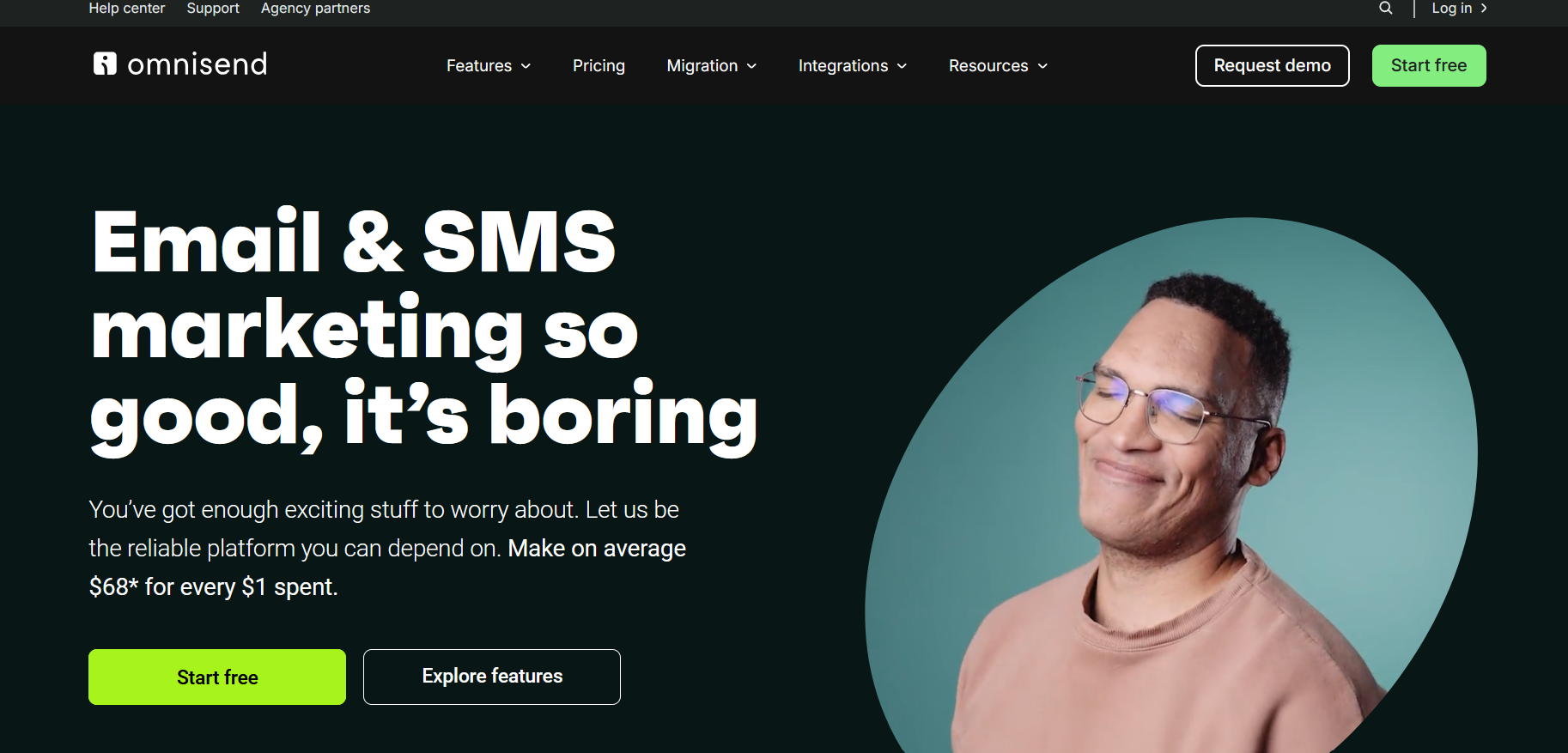
Omnisend is an ecommerce-focused platform designed to be simpler than Klaviyo but more powerful than Mailchimp for online stores.
- Ecommerce-native flows: Cart, browse, and order automations
- Faster onboarding: Quicker time to value
- Channel coordination: Email and SMS combined
- They want ecommerce automations without Klaviyo's complexity
- Setup speed matters
- Email and SMS need to work together
- Segmentation depth: Less advanced than Klaviyo
- Personalization: Template-driven, not AI-driven
- Flexibility: Limited outside ecommerce
A Shopify store wants better automations than Mailchimp but finds Klaviyo too heavy. Omnisend becomes the middle ground.
Omnisend is a clean upgrade for ecommerce teams that value speed over depth.
Campaign Monitor — Best for Design-Focused Teams
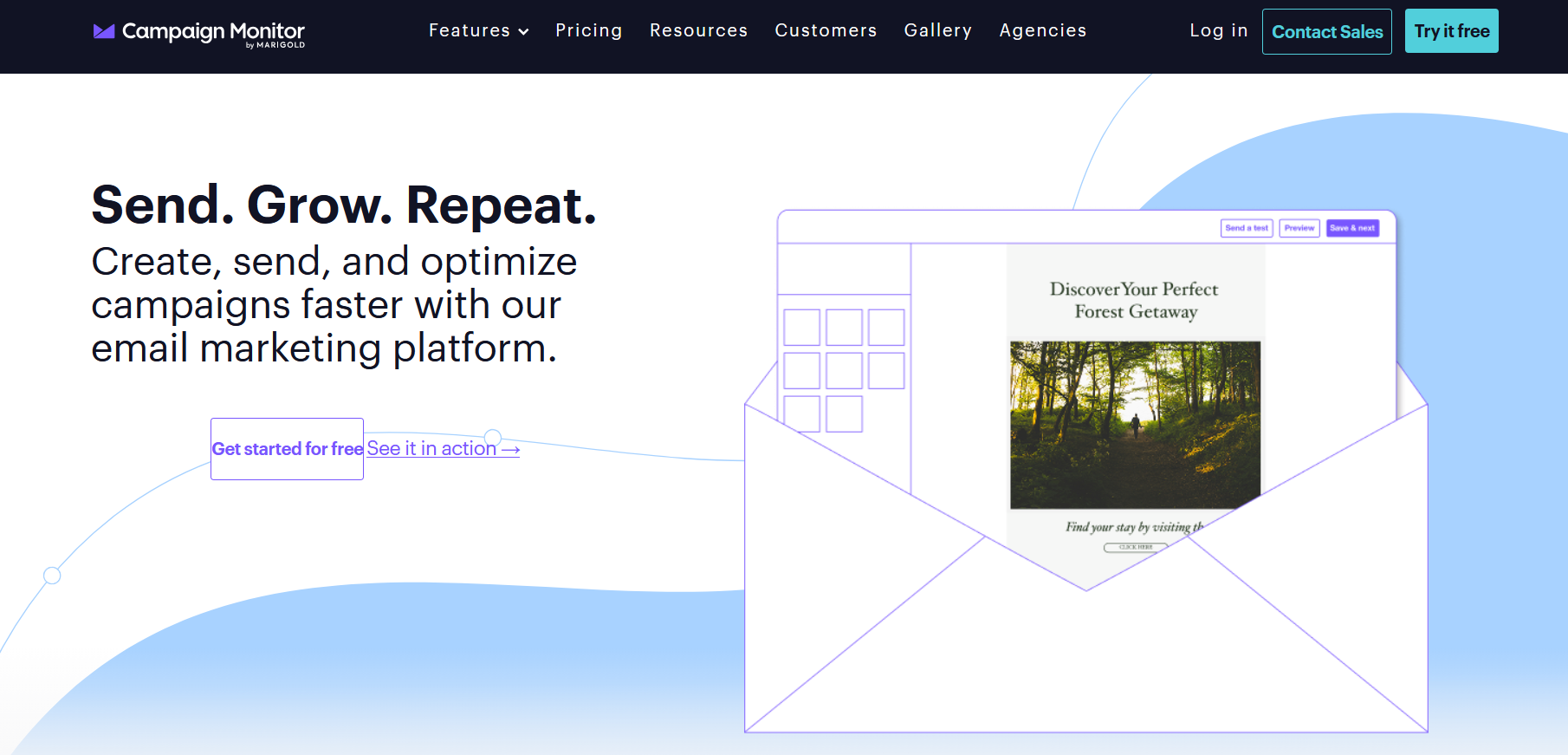
Campaign Monitor focuses on beautiful email design and brand consistency. Compared to Mailchimp, it emphasizes presentation over automation.
- Email design quality: Strong templates and rendering
- Brand control: Consistent visuals across campaigns
- Simplicity: Focused, uncluttered experience
- Care deeply about brand visuals
- Send polished campaigns rather than complex flows
- Don't need heavy automation
- Automation: Minimal compared to competitors
- Lifecycle marketing: Very limited
- Scalability: Not built for growth systems
A brand-led company prioritizes polished newsletters and switches from Mailchimp to Campaign Monitor for better design control.
Campaign Monitor is about how emails look, not how they perform at scale.
Choosing the Right Mailchimp Alternative
Patterns you'll notice:
- SendroAI focuses on intelligence over templates
- ActiveCampaign prioritizes control and logic
- Klaviyo wins in ecommerce depth
- HubSpot wins in platform breadth
- Mailchimp alternatives trade ease for power — or vice versa
Switching & Migration Considerations
- Automation Depth: Mailchimp's automation is basic. If you need complex workflows or behavior-based triggers, prioritize platforms with stronger automation builders.
- Pricing Model: Mailchimp's pricing jumps sharply as your list grows. Look for platforms with predictable or usage-based models that fit your budget trajectory.
- Personalization Needs: If you're outgrowing merge tags and basic segments, consider AI-driven tools that personalize content per recipient at scale.
- Data Migration: Consider how you'll move your contacts, templates, and historical data. Some platforms offer migration assistance or tools for a smooth transition.
Final Recommendation
Switch from Mailchimp if:
- You want smarter automation
- Personalization matters
- Email is tied to revenue, not just newsletters
Stick with Mailchimp if:
- You only send basic campaigns
- Design is your main priority
- You don't need advanced workflows
Most teams outgrow Mailchimp for one of three reasons: automation is too shallow, personalization doesn't scale, or pricing grows faster than value. Your best alternative depends on your specific needs:
For teams that want to move beyond basic email marketing, SendroAI stands out as the most future-ready alternative to Mailchimp.
Bottom Line
Mailchimp is great for getting started. SendroAI is built for what comes next. If your goal is to move from sending emails to driving meaningful, personalized engagement at scale, SendroAI stands out as the most future-ready alternative to Mailchimp.