Autonomous Research vs. Template Infrastructure: The Personalization Paradox
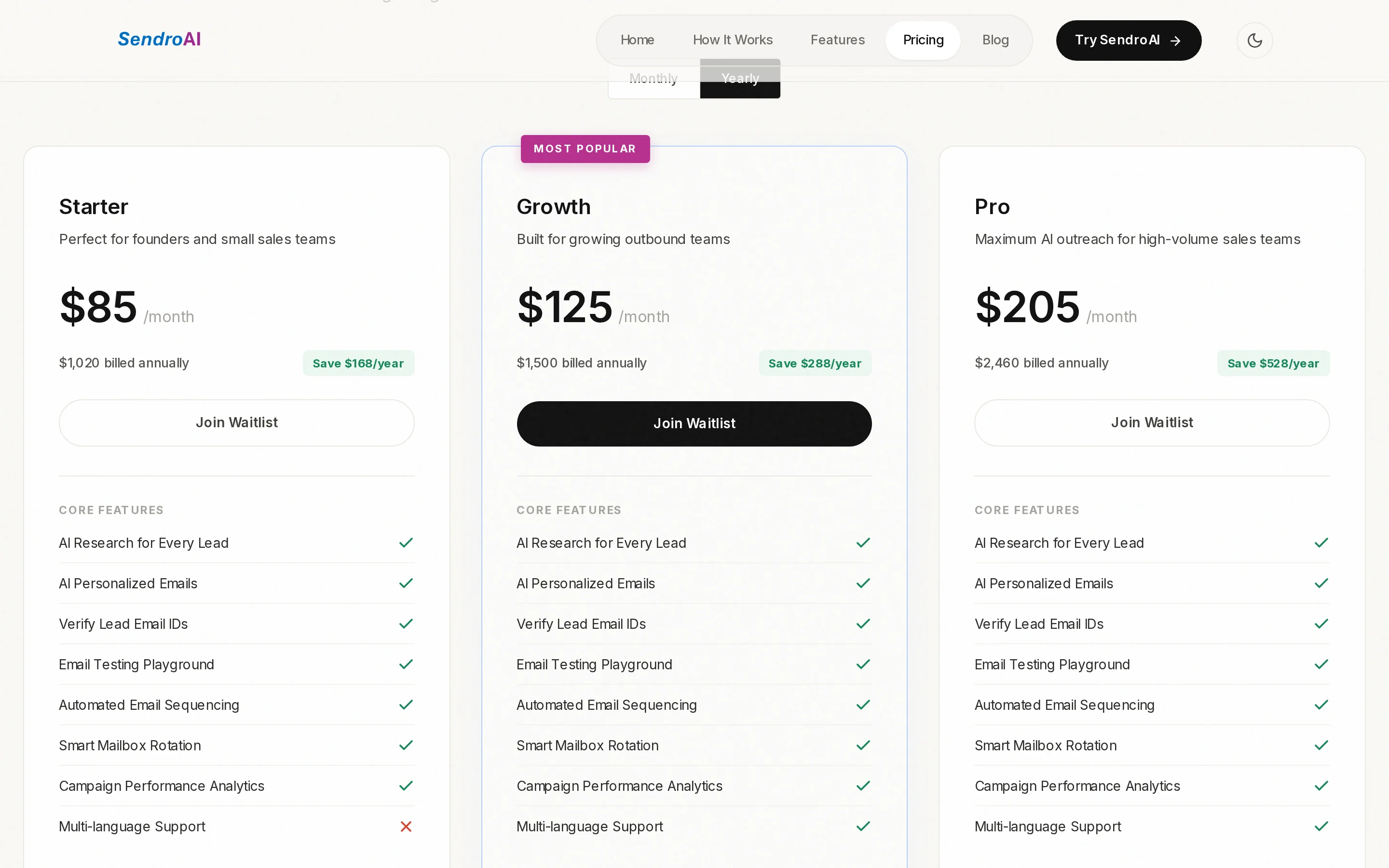
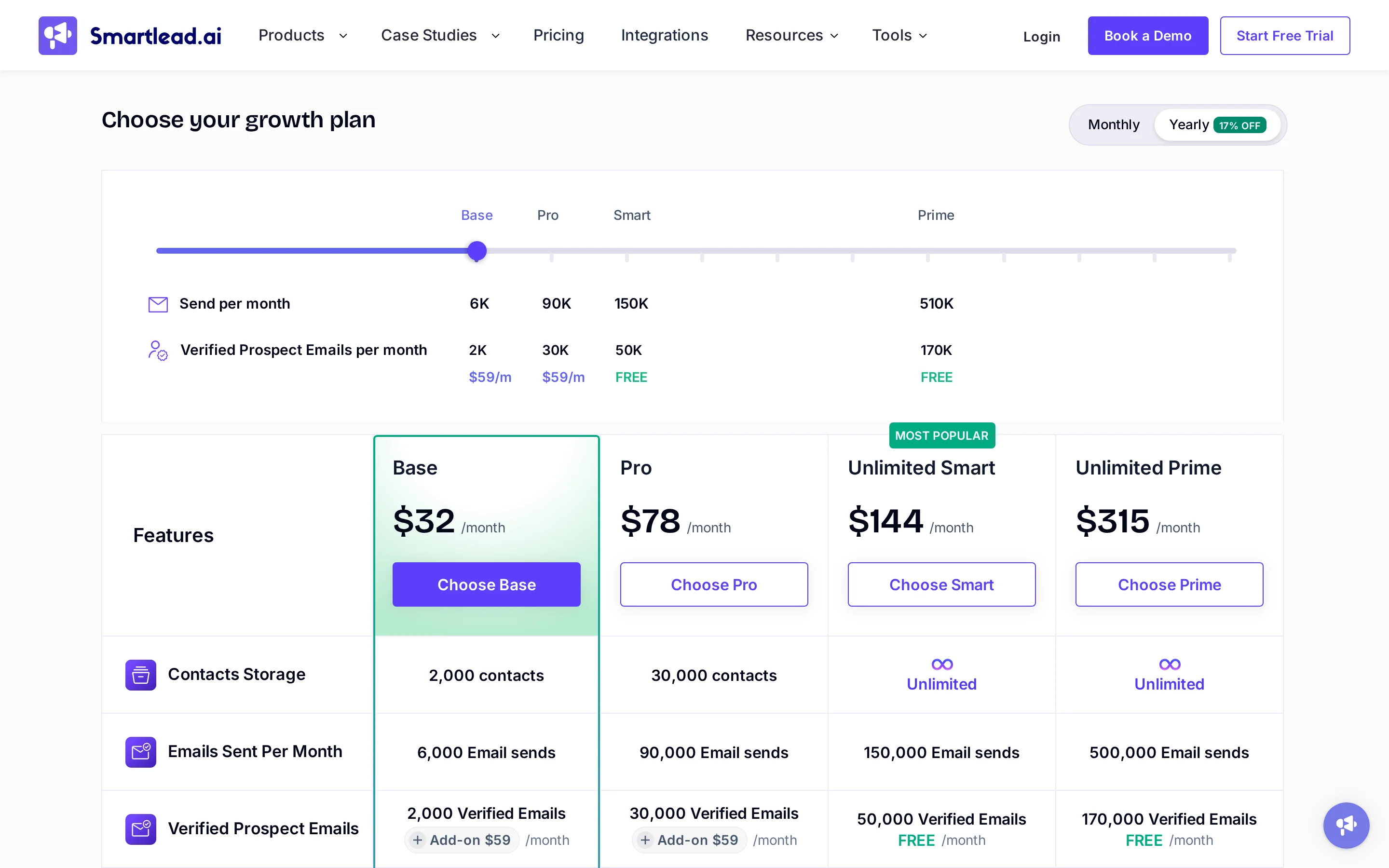
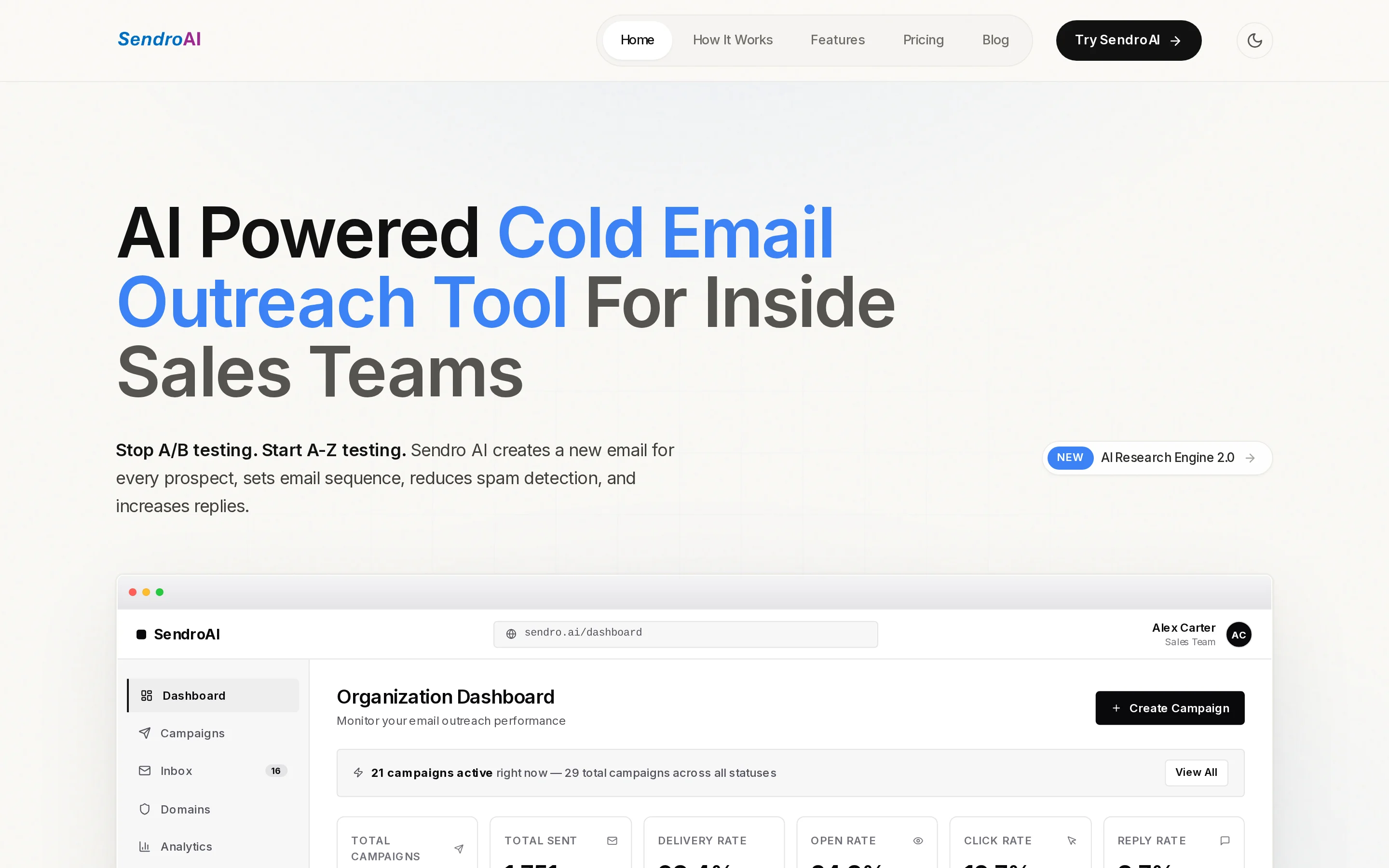
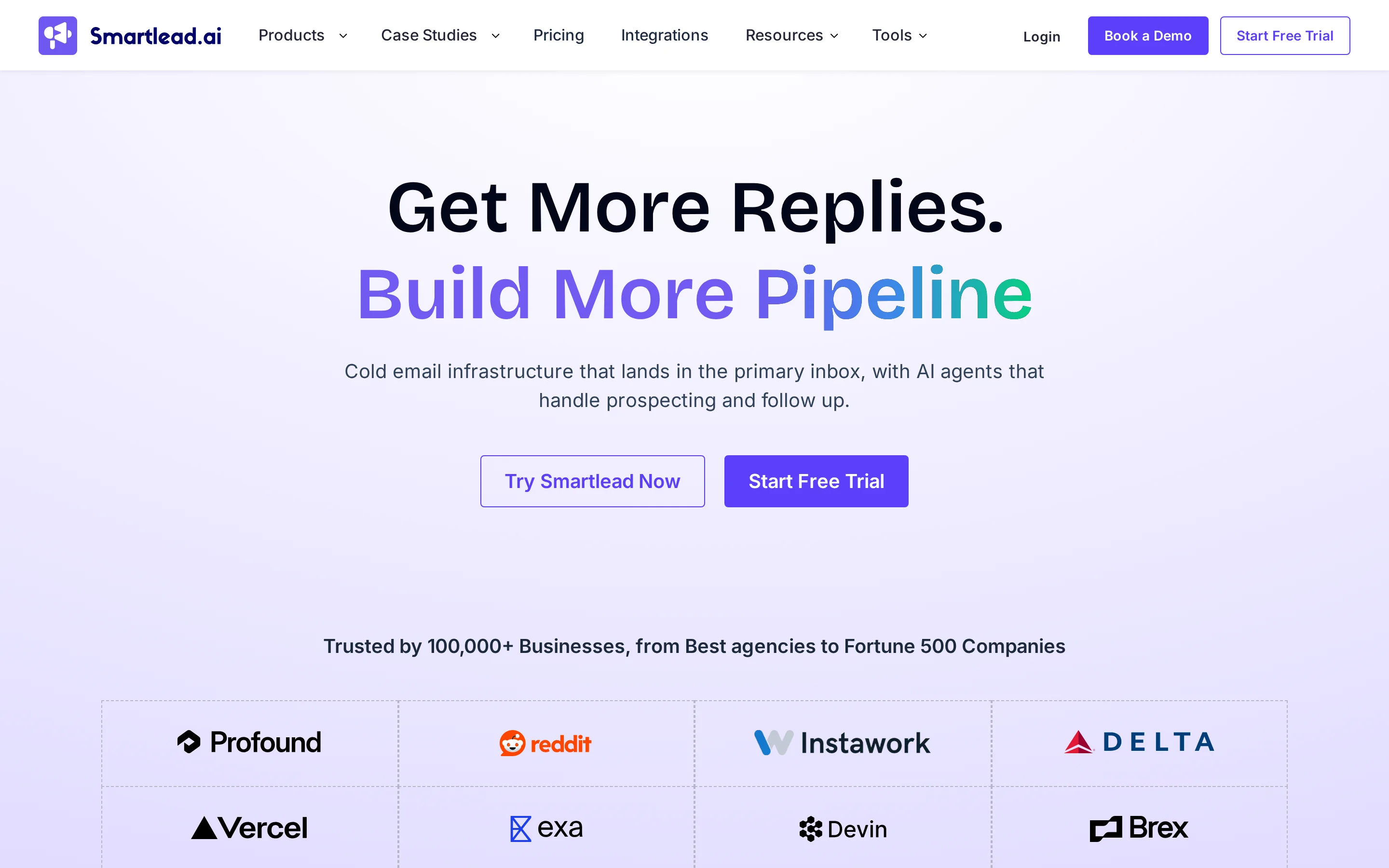
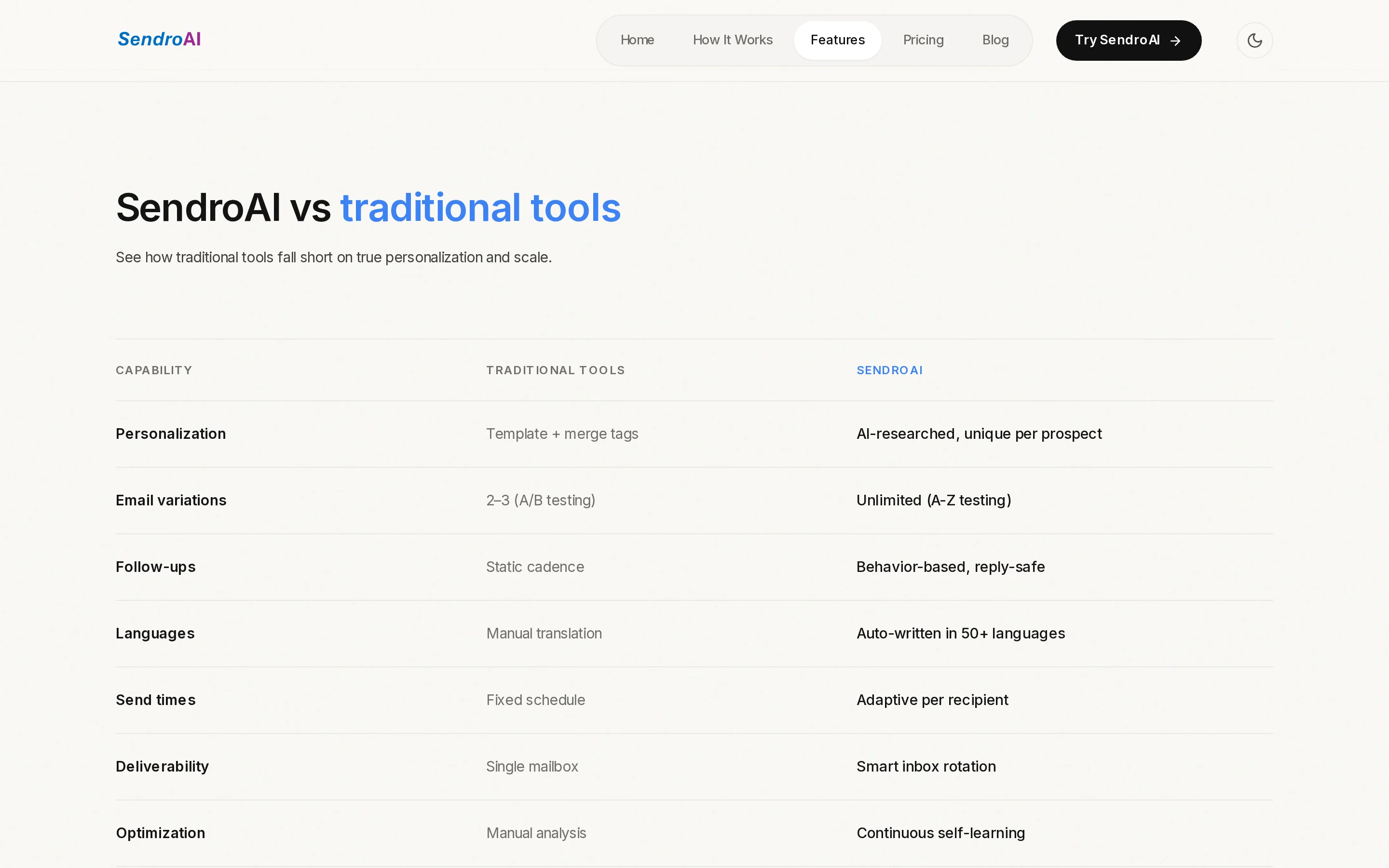
The fundamental architectural difference between SendroAI and Smartlead.ai lies in how they approach personalization. SendroAI operates on an 'research-before-draft' philosophy, utilizing an AI Research Engine that scrapes real-time company positioning, role analysis, and market signals before writing a single word. This ensures every email is unique, hand-written-feeling, and completely devoid of the repetitive patterns that trigger spam filters. In contrast, Smartlead.ai relies on a traditional infrastructure-first model where users must provide templates and manually insert variables or rely on basic AI suggestions that often result in templated outputs with merge tags.
For daily execution, SendroAI’s workflow eliminates the need for SDRs to spend 10-20 minutes researching each lead. Instead, the platform instantly synthesizes data into context-rich messages, allowing teams to scale 1:1 outreach without sacrificing quality. Smartlead users, however, often face the bottleneck of manual personalization or the risk of sending generic blasts that fail to resonate because the AI does not autonomously research the prospect's specific context before drafting.
The tradeoff is clear: while Smartlead offers flexibility in template design, it places the burden of relevance on the user. SendroAI removes this friction by guaranteeing that no two emails are ever the same. For modern outbound teams prioritizing reply rates over volume, SendroAI’s autonomous research engine provides a decisive advantage by ensuring every message lands with genuine relevance.