Autonomous AI Research vs. Manual Data Entry: The Cost of Personalization at Scale
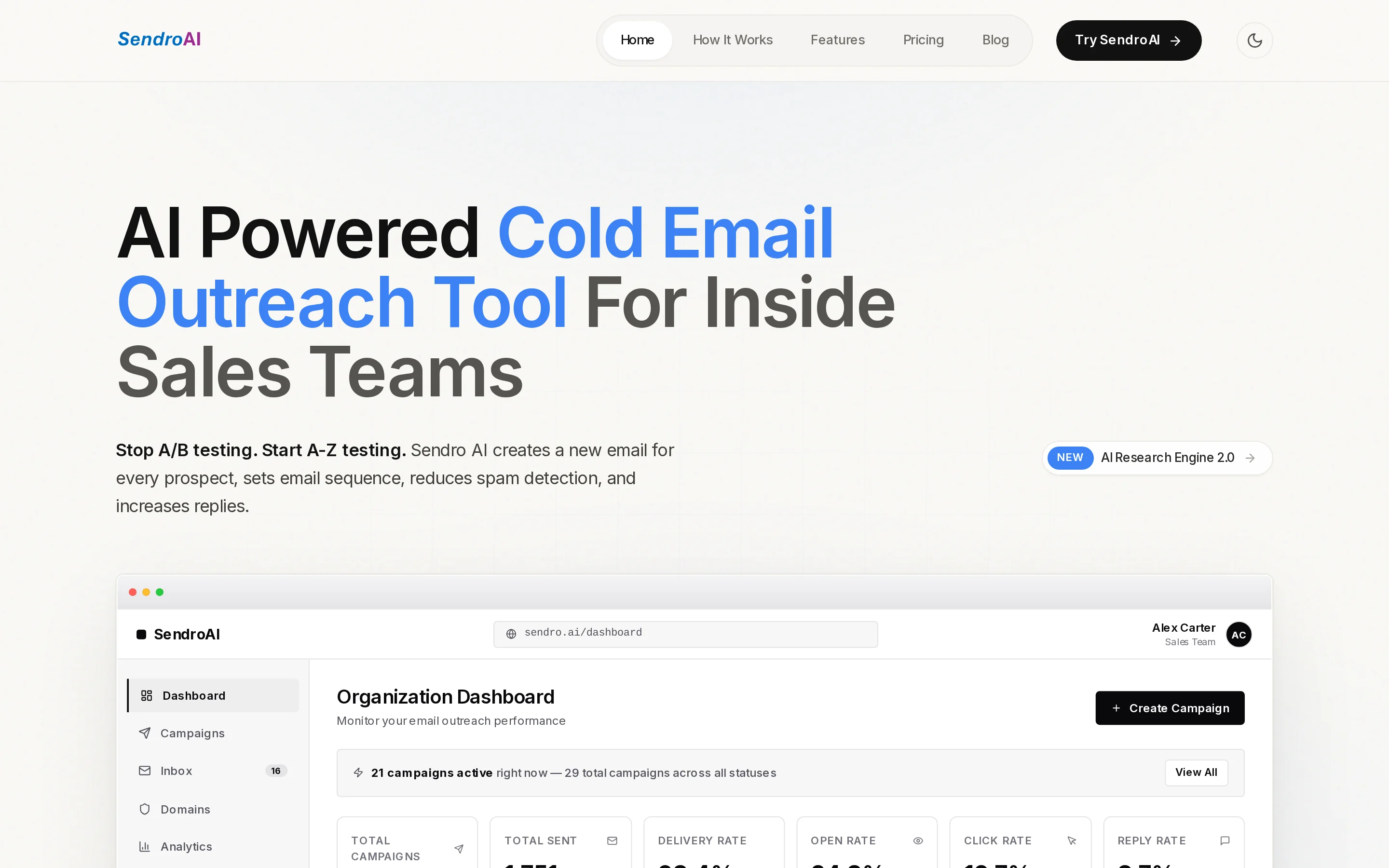
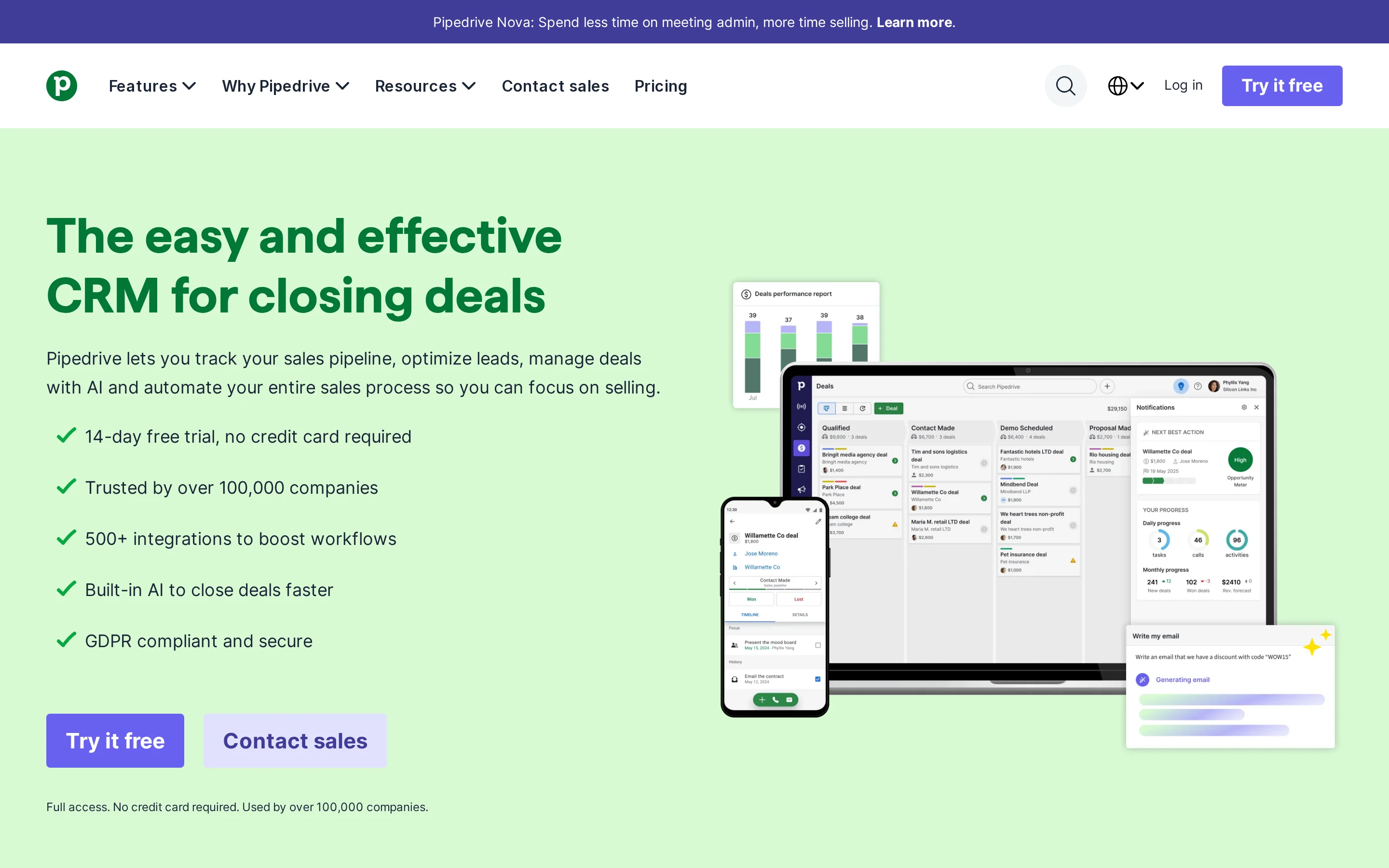
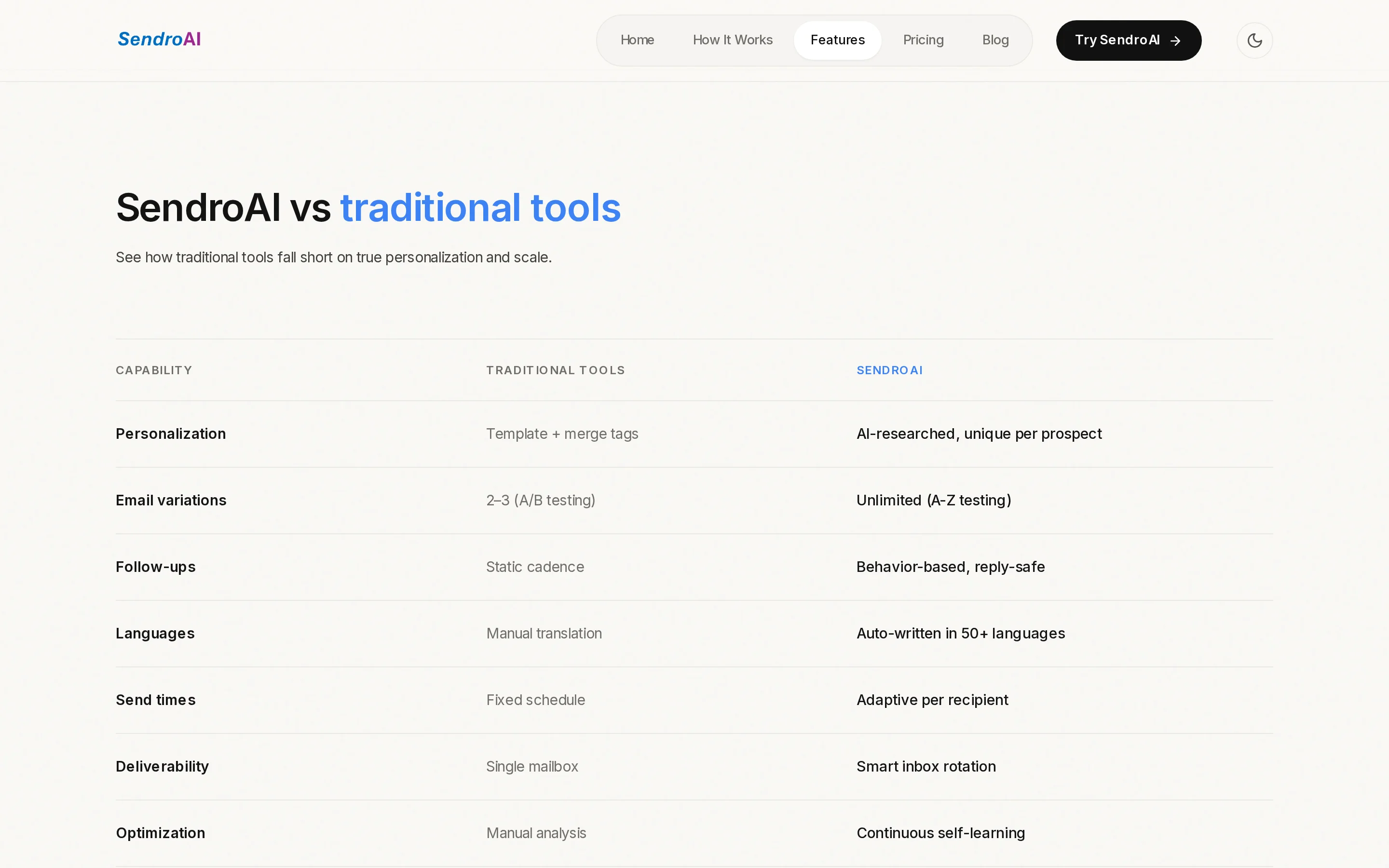
The fundamental architectural difference between SendroAI and Pipedrive lies in how personalization is achieved. SendroAI utilizes an Autonomous AI Research Engine that scrapes real-time company positioning, persona roles, and market signals before drafting a single word. This ensures every email is unique, hand-written-feeling, and context-rich, effectively eliminating the 'template fatigue' that plagues traditional outreach. In contrast, Pipedrive operates as a static database; while it allows for basic merge tags, it lacks native intelligence to synthesize new data points for each prospect, forcing users to rely on generic templates or manual research efforts.
In daily execution, this distinction creates a massive efficiency gap. A typical SDR using Pipedrive might spend 10-20 minutes researching a lead to find a relevant hook, limiting their daily output to a small number of highly personalized emails. SendroAI performs this exact research instantly for every lead in a list, allowing teams to scale 1:1 personalization without increasing headcount. While Pipedrive excels at organizing existing pipeline data, it does not actively generate the inbound interest required to fill that pipeline through cold outreach.
The tradeoff is clear: if your workflow relies on managing established relationships or tracking deal stages, Pipedrive remains a strong choice. However, for outbound teams where volume and relevance are paramount, SendroAI’s approach eliminates the bottleneck of manual research. By automating the discovery phase, SendroAI ensures that every message lands with high relevance, significantly boosting reply rates compared to the static, low-engagement nature of template-based CRM emails.