Autonomous Research vs. Template-Based Automation: The Personalization Gap
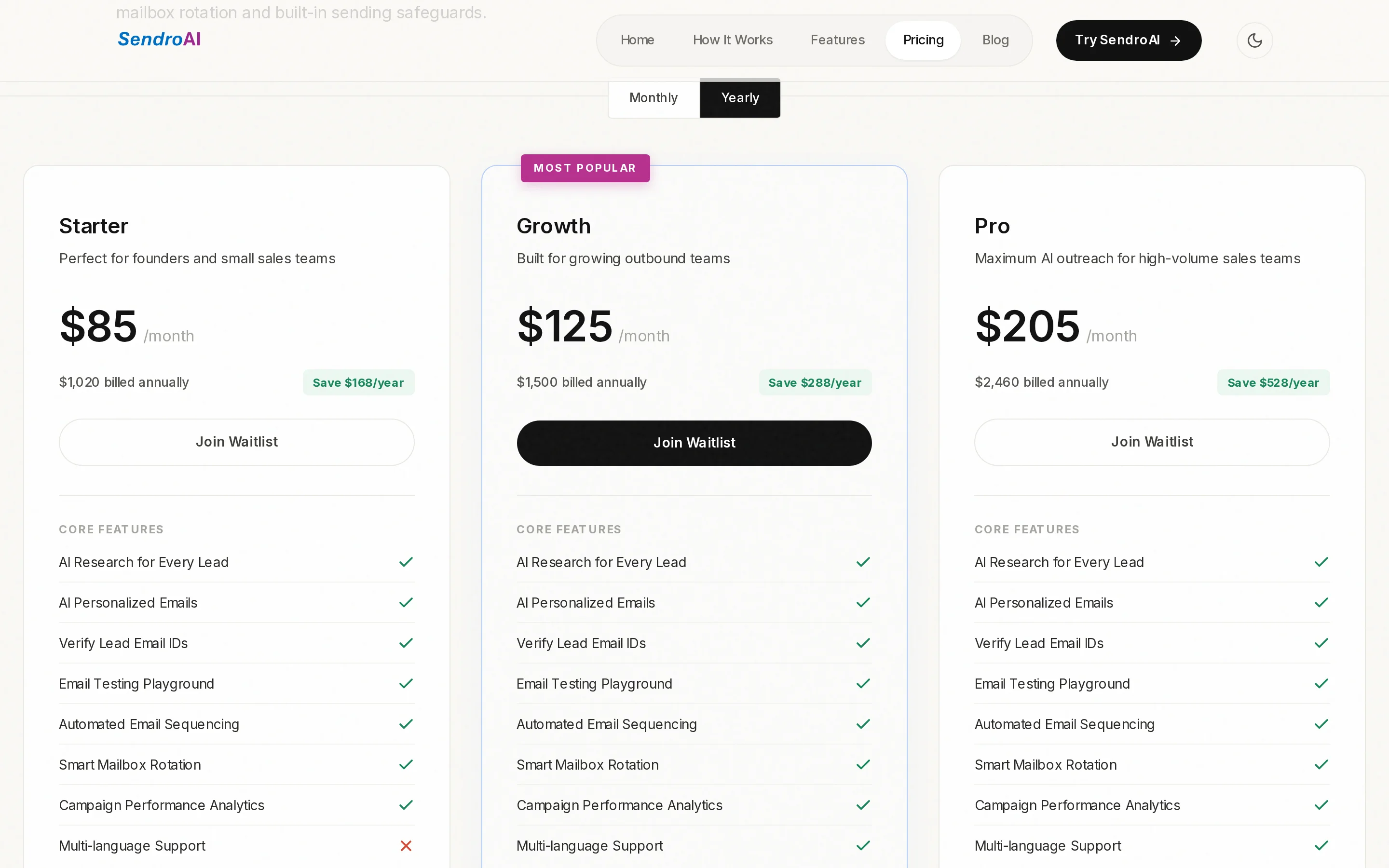
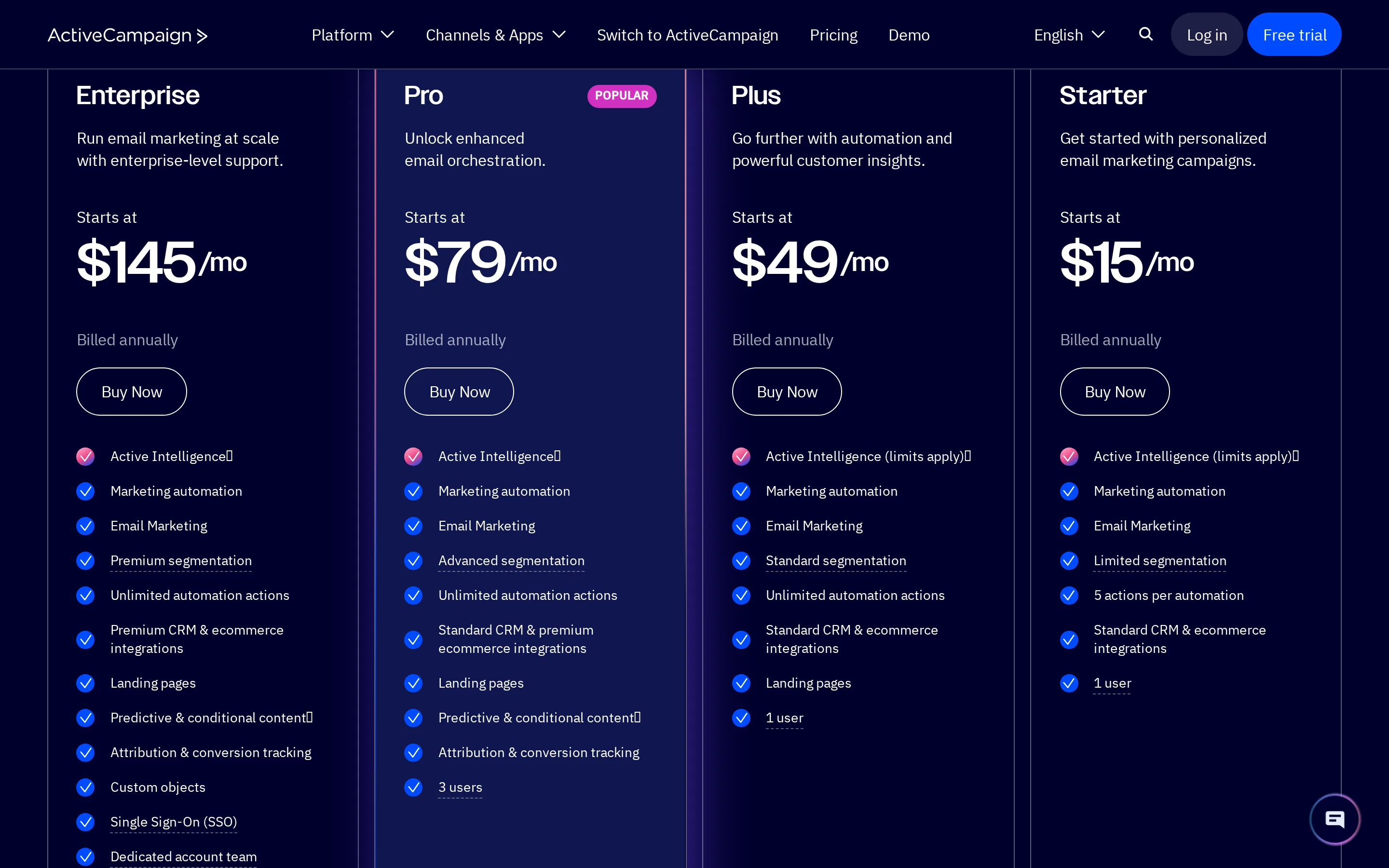
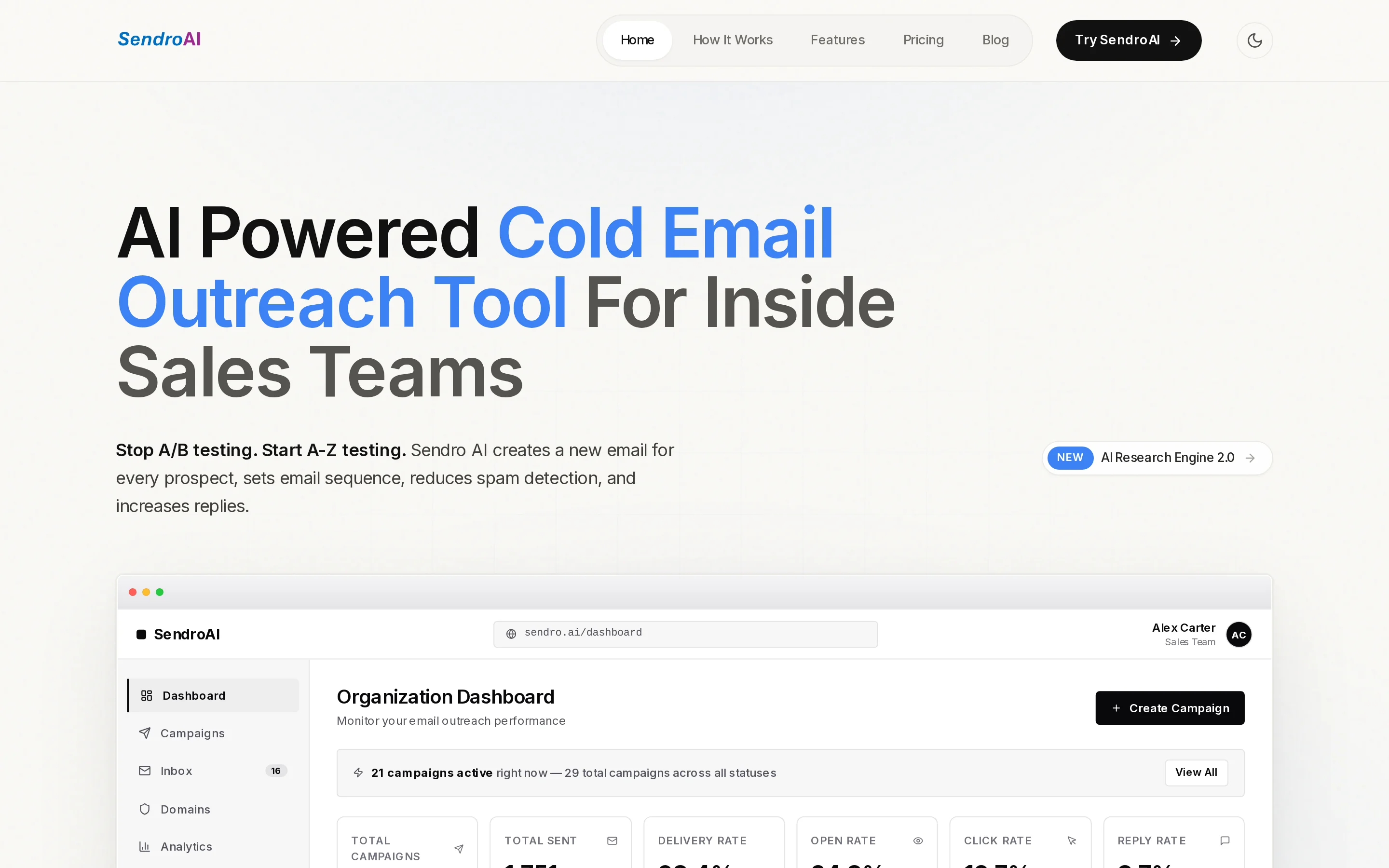
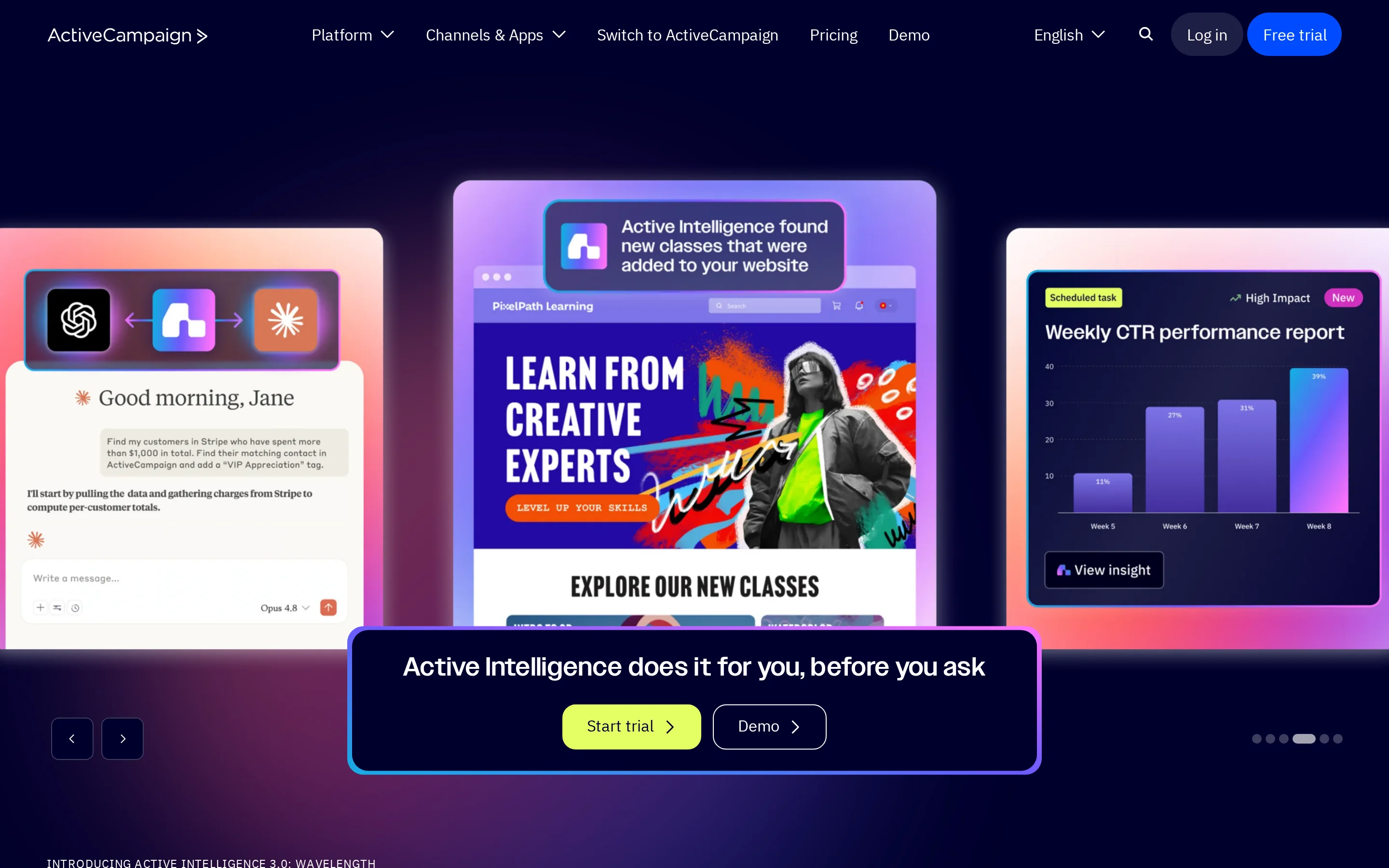
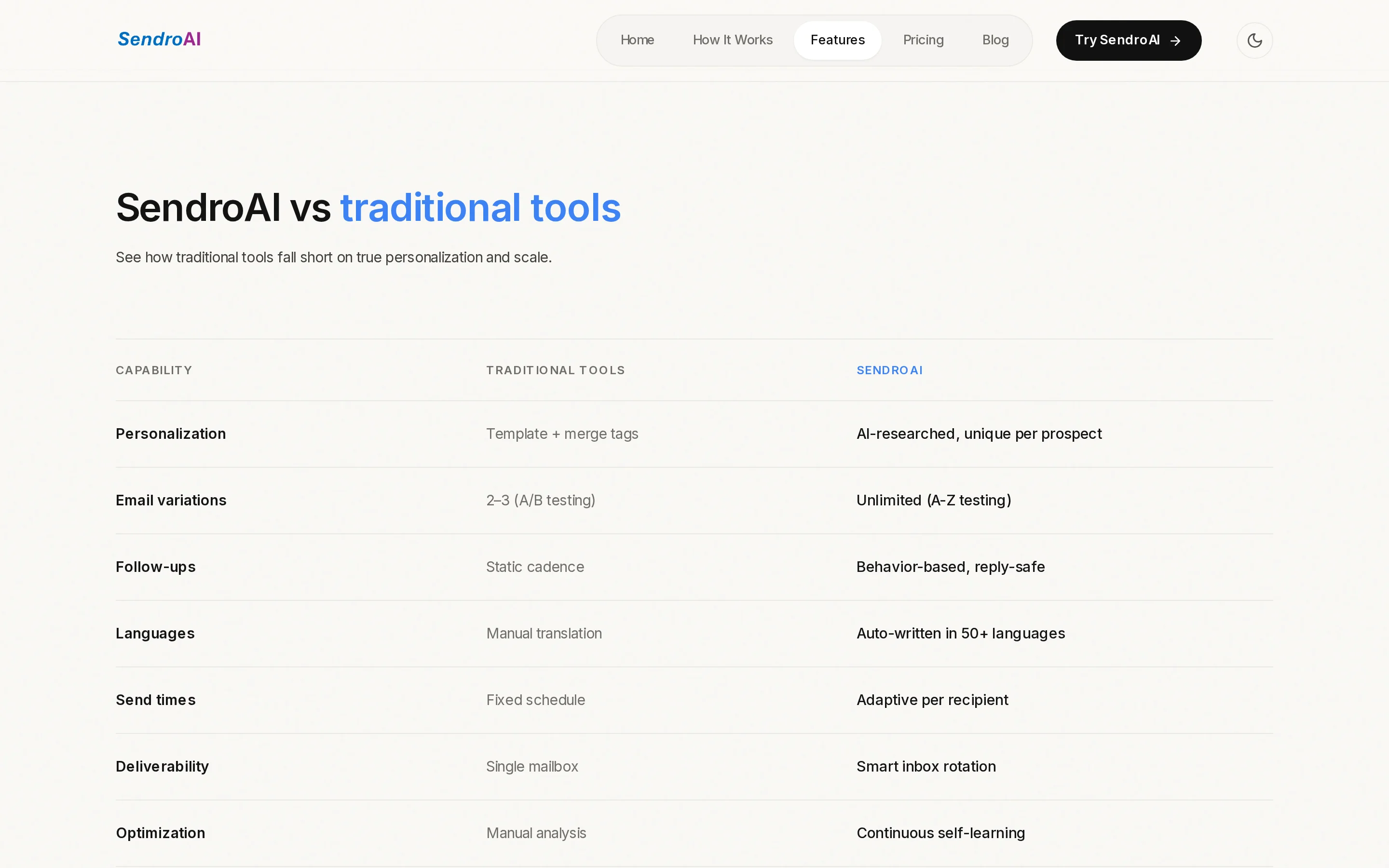
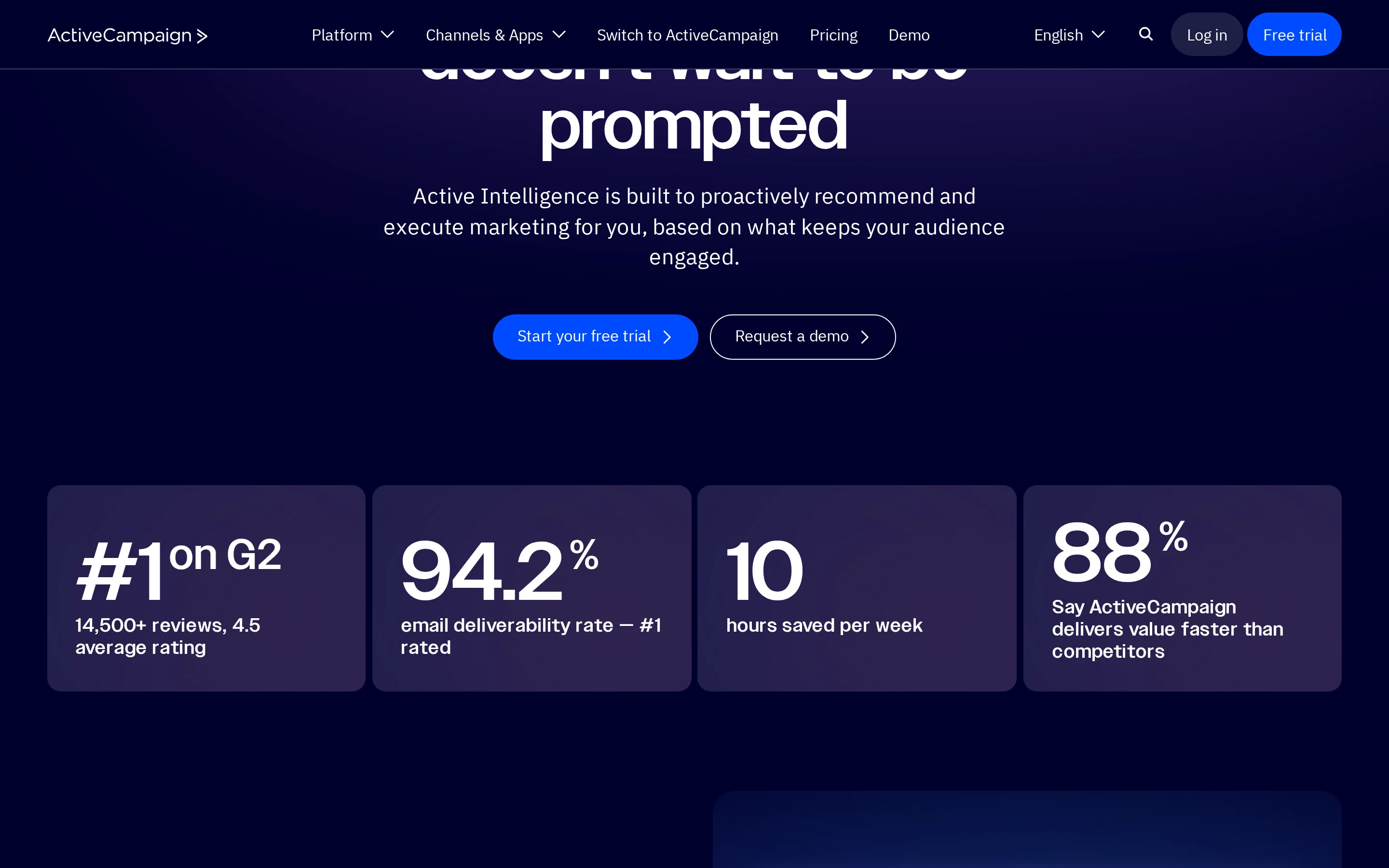
The fundamental architectural difference between SendroAI and ActiveCampaign lies in how they approach personalization. SendroAI is built as an autonomous outbound engine that researches every company and prospect before writing a single word. It synthesizes real-time buying signals, role-specific context, and market positioning to craft unique, hand-written-feeling emails for each recipient. In contrast, ActiveCampaign relies on static templates and manual segmentation. While ActiveCampaign’s Active Intelligence can draft campaigns based on historical data, it ultimately depends on merge tags and predefined structures, leading to repetitive messaging that spam filters increasingly flag.
In daily execution, SendroAI’s workflow eliminates the need for SDRs to manually research leads. A typical SDR spends 10-20 minutes per lead researching context; SendroAI performs this instantly at scale. This allows teams to send hundreds of highly relevant, non-templated emails daily. ActiveCampaign users, however, must manually curate segments and apply templates, which limits scalability and often results in generic outreach that fails to resonate with senior decision-makers who receive dozens of similar emails daily.
The tradeoff is clear: ActiveCampaign offers robust automation for existing contacts but lacks the depth required for cold outreach. SendroAI’s commitment to zero-template, research-driven copy ensures higher engagement rates by avoiding the 'pattern detection' that triggers spam filters. For teams prioritizing reply rates over volume, SendroAI’s autonomous research provides a decisive competitive advantage.