Autonomous Research vs. Template-Based Personalization: The Quality of First-Touch Outreach
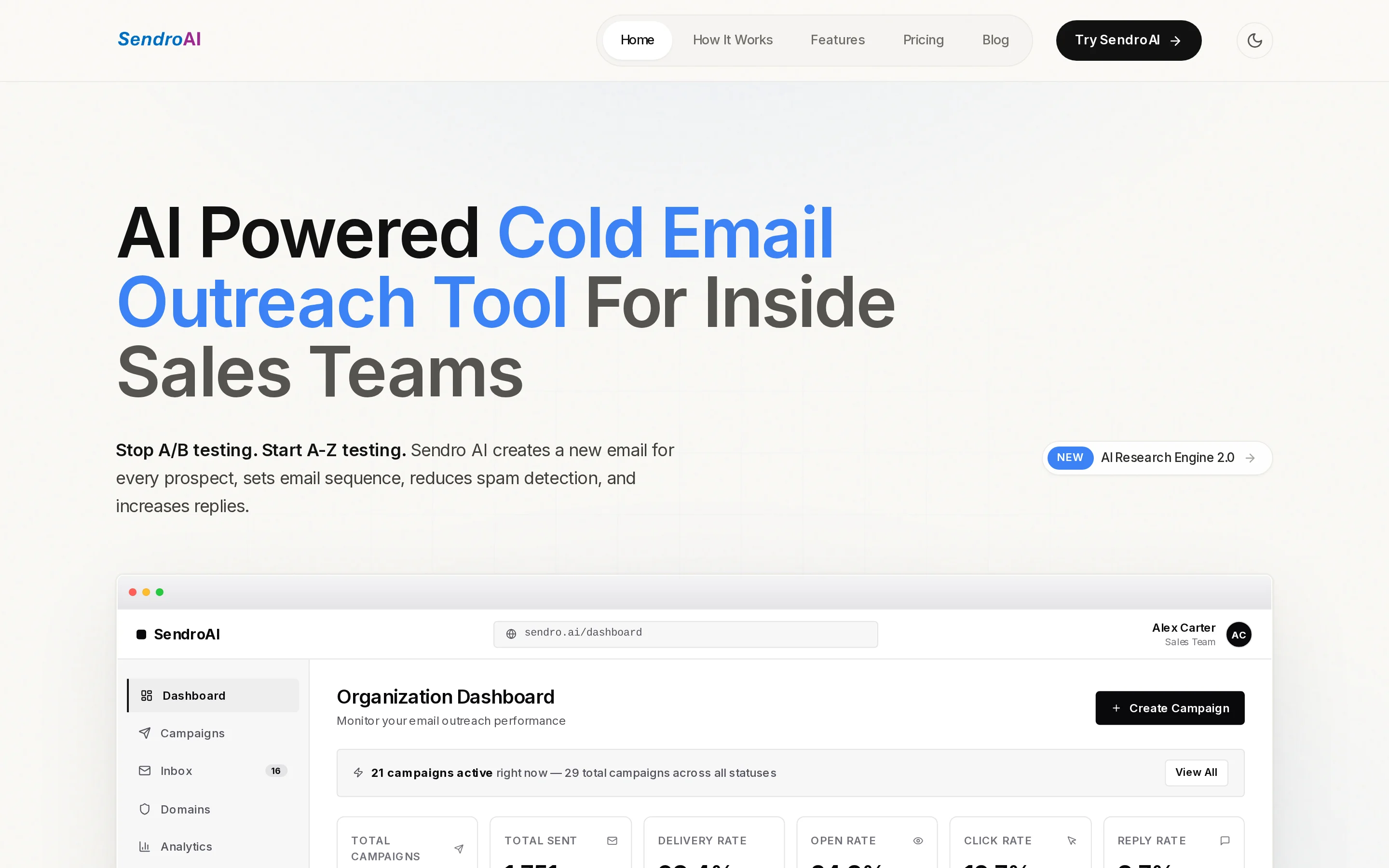
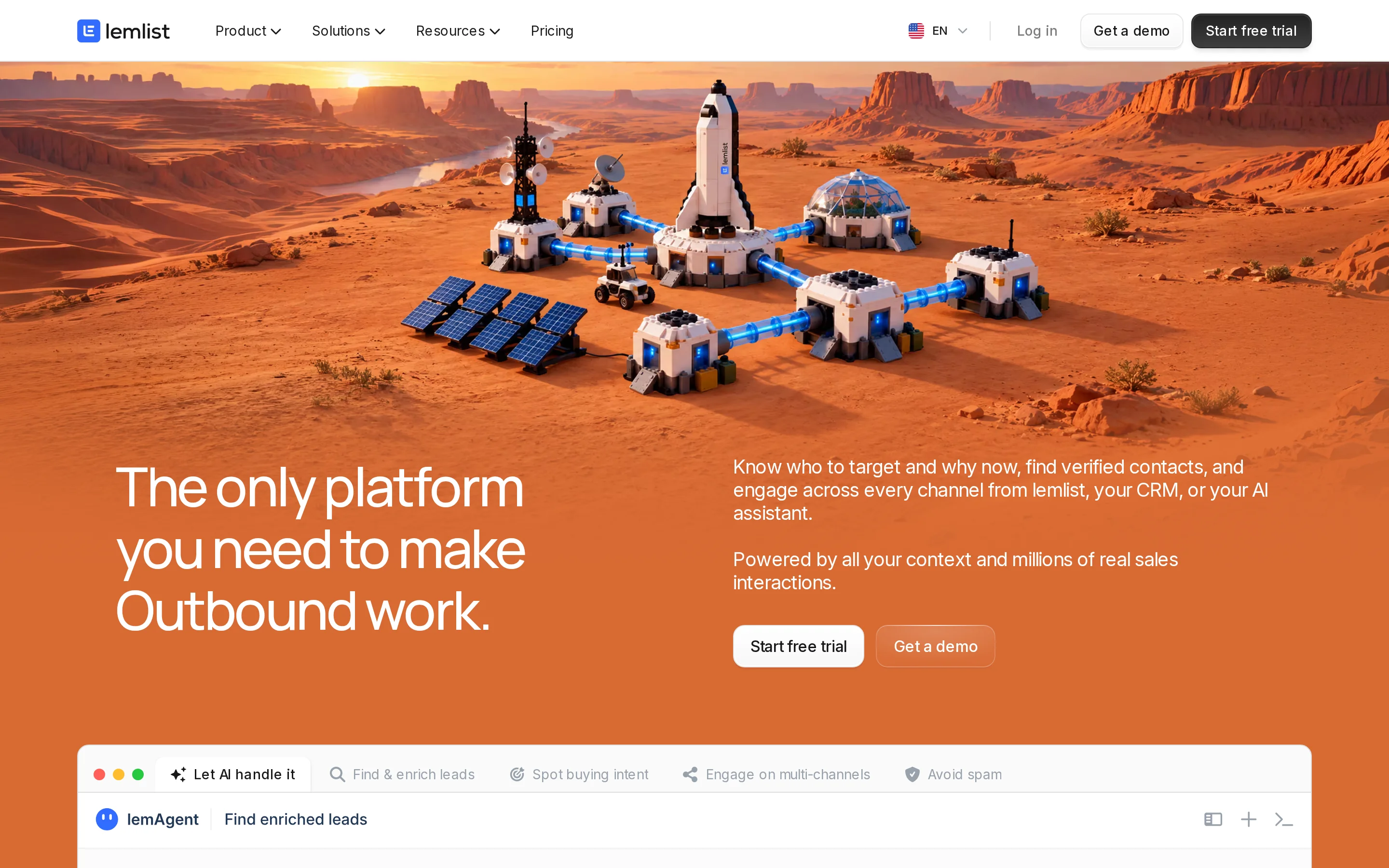
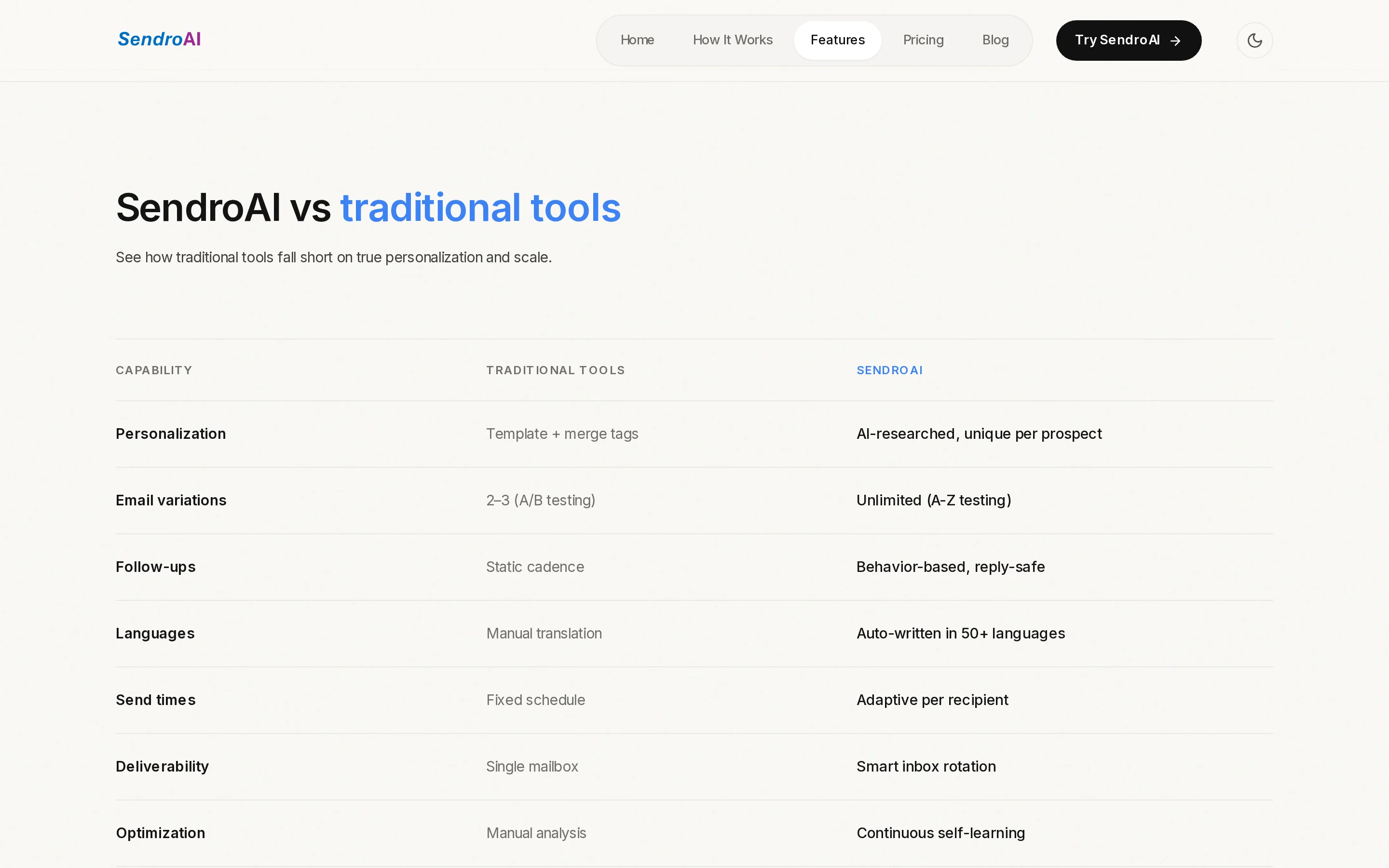
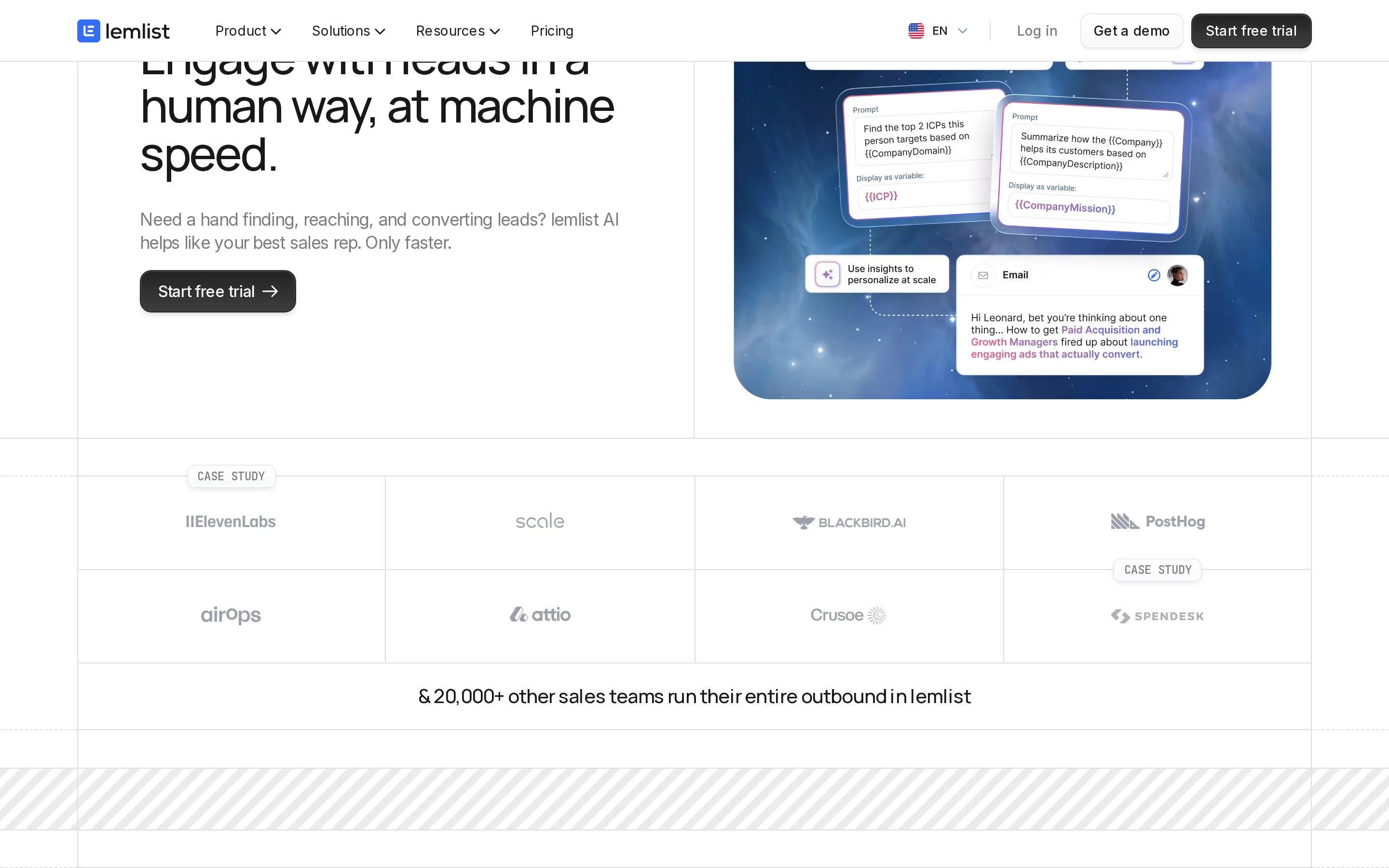
The fundamental architectural difference between SendroAI and lemlist lies in how they approach personalization. SendroAI employs an Autonomous Research Engine that scrapes real-time company positioning, prospect roles, and market signals before writing a single word. This ensures every email is unique, hand-written-feeling, and context-rich, effectively eliminating the 'template pattern' that spam filters and buyers increasingly ignore. In contrast, lemlist relies on a traditional variable insertion model where AI assists in fine-tuning tone or generating snippets based on pre-defined liquid syntax variables. While lemlist’s lemAgent can extract insights, it operates within the constraints of the user’s provided data structure, often resulting in messages that feel assembled rather than authored.
From a daily execution perspective, SendroAI saves SDRs hours of manual research time by instantly synthesizing complex buying signals into relevant hooks. For example, if a prospect recently raised funding or posted about a specific pain point, SendroAI integrates this directly into the subject line and body without manual input. lemlist users must manually curate these insights or rely on broader database enrichment, which can lead to generic openers like 'Congrats on the Series B' that lack strategic depth. SendroAI’s A-Z testing creates a unique variation for every prospect, continuously optimizing content and timing, whereas lemlist typically limits optimization to standard A/B testing of two static variations.
The tradeoff is clear: lemlist offers a familiar, flexible interface for teams comfortable with manual data hygiene and template management. However, for teams prioritizing reply rates and inbox placement, SendroAI’s mandatory research-first approach is superior. By ensuring no two emails are identical and grounding every message in live intelligence, SendroAI significantly reduces the risk of being flagged as spam while increasing the perceived value of the outreach. The verdict favors SendroAI for high-stakes outbound where relevance drives conversion.