Autonomous Intelligence vs. Template-Based Automation: The Research-to-Reply Gap
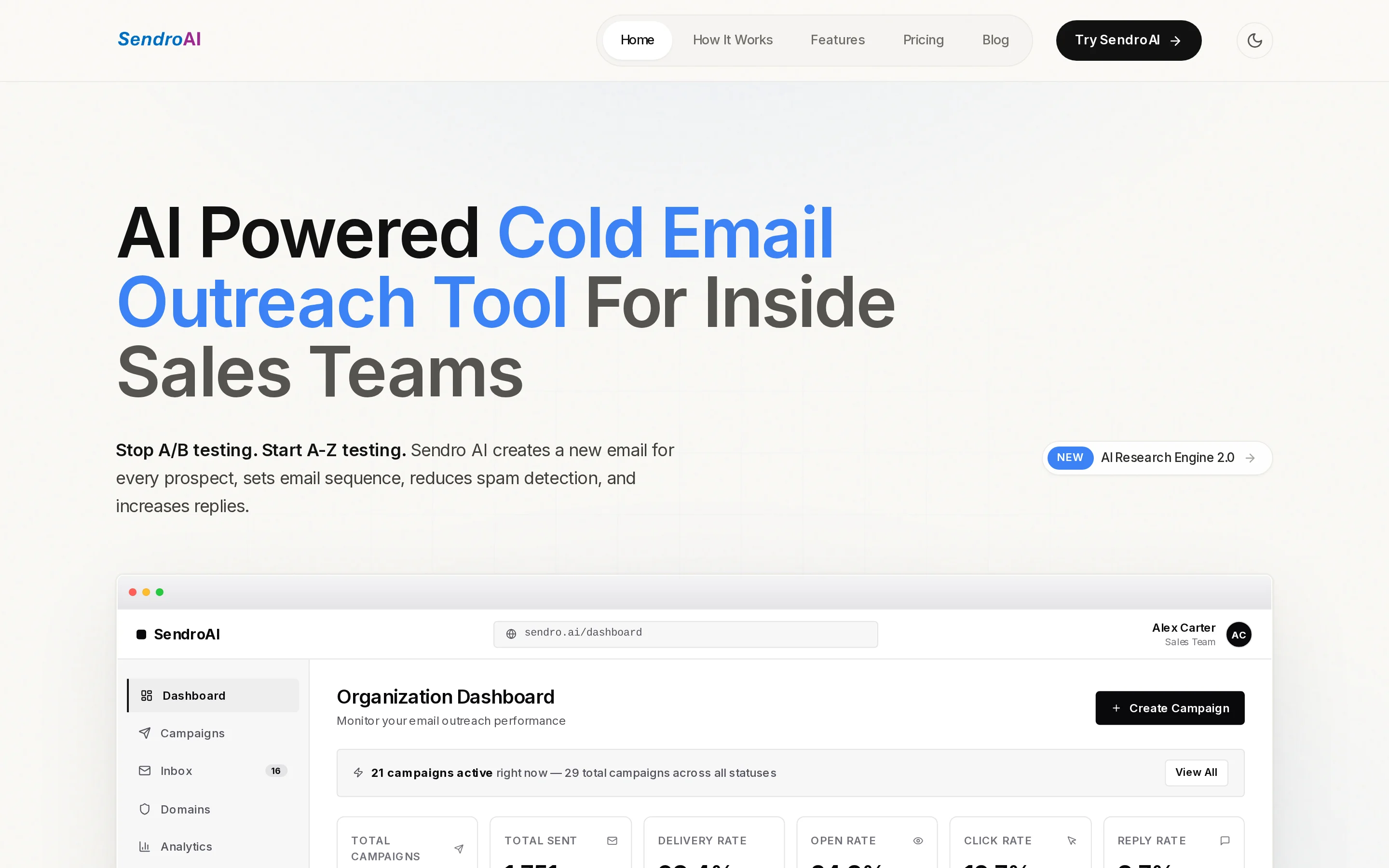
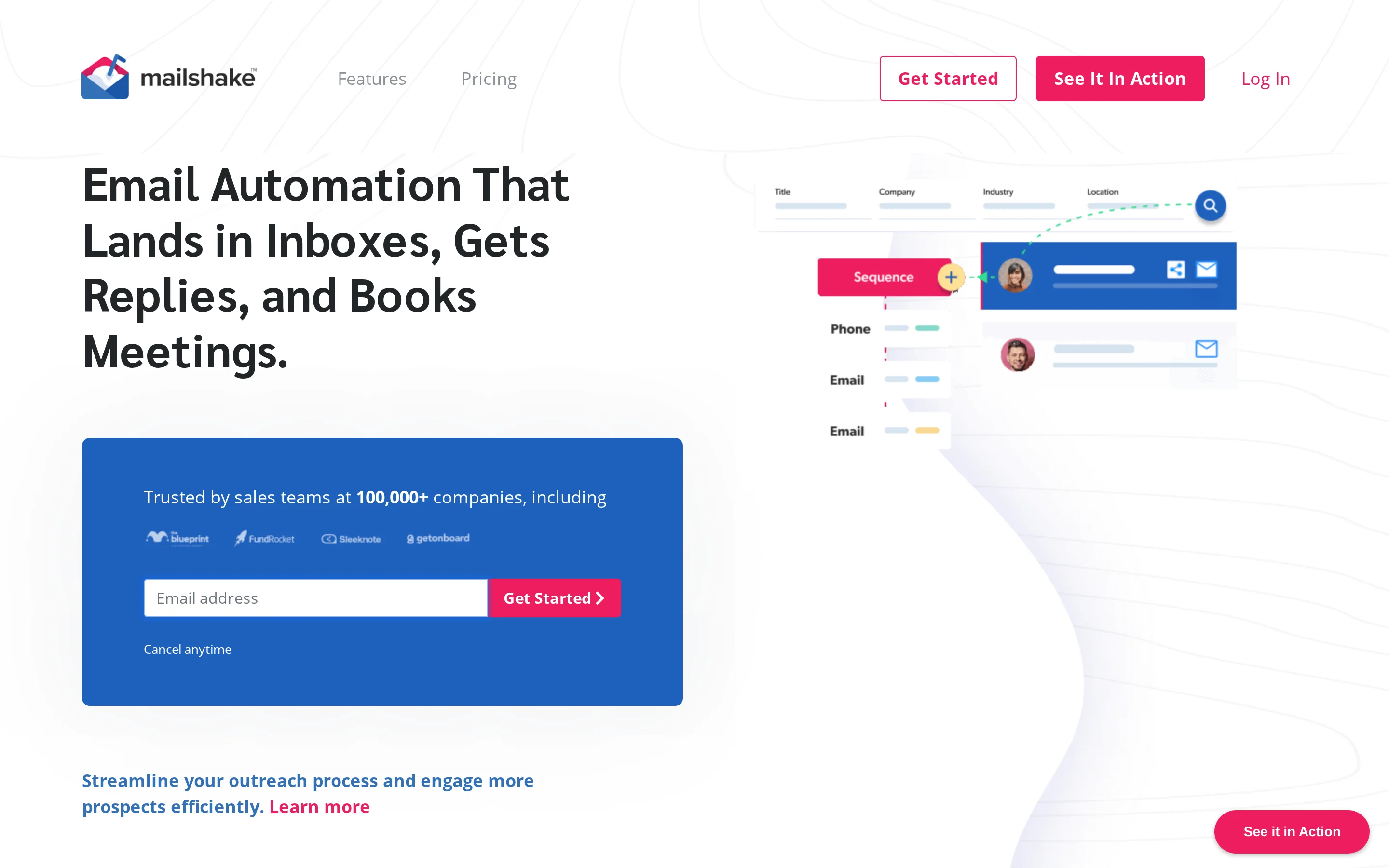
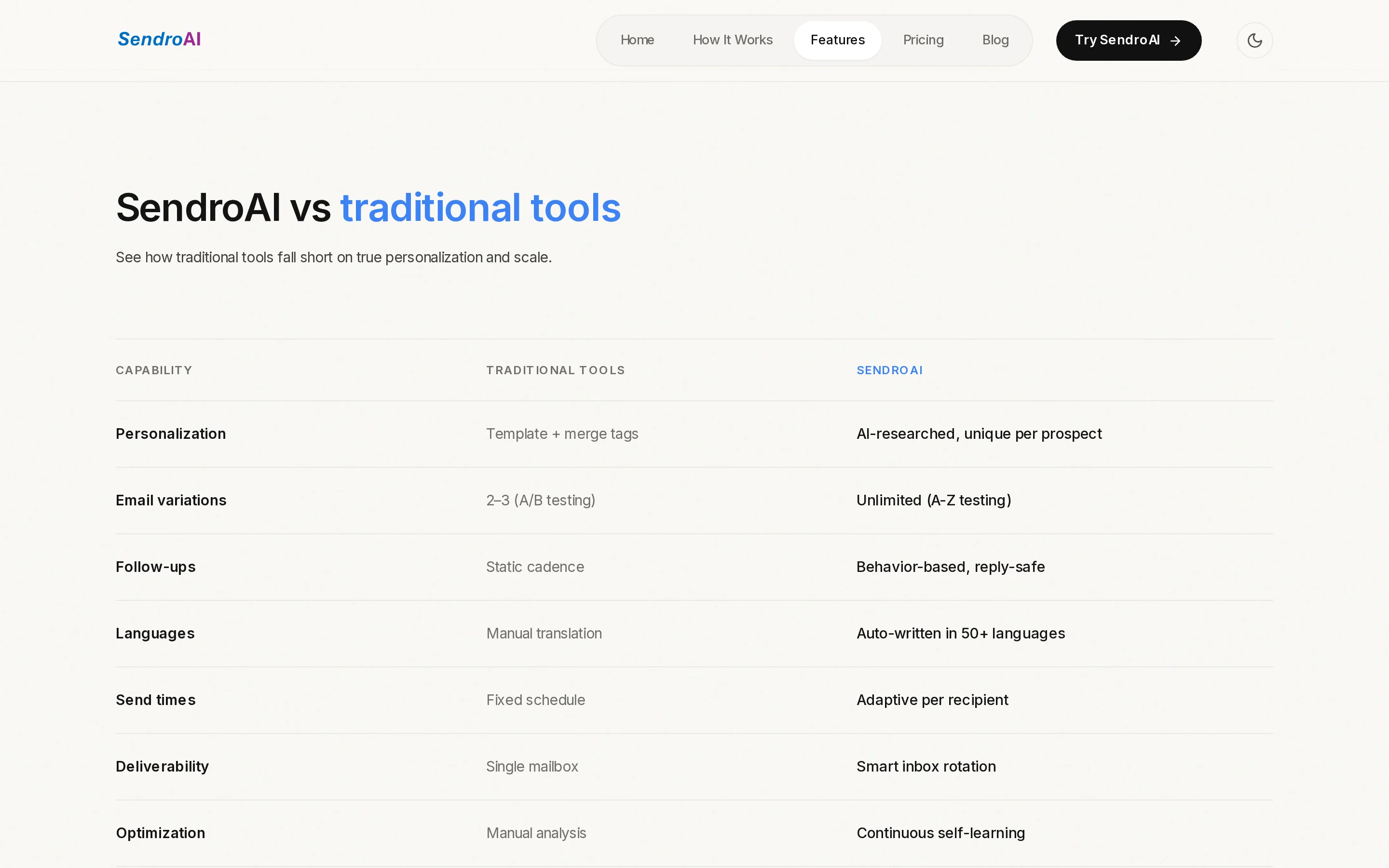
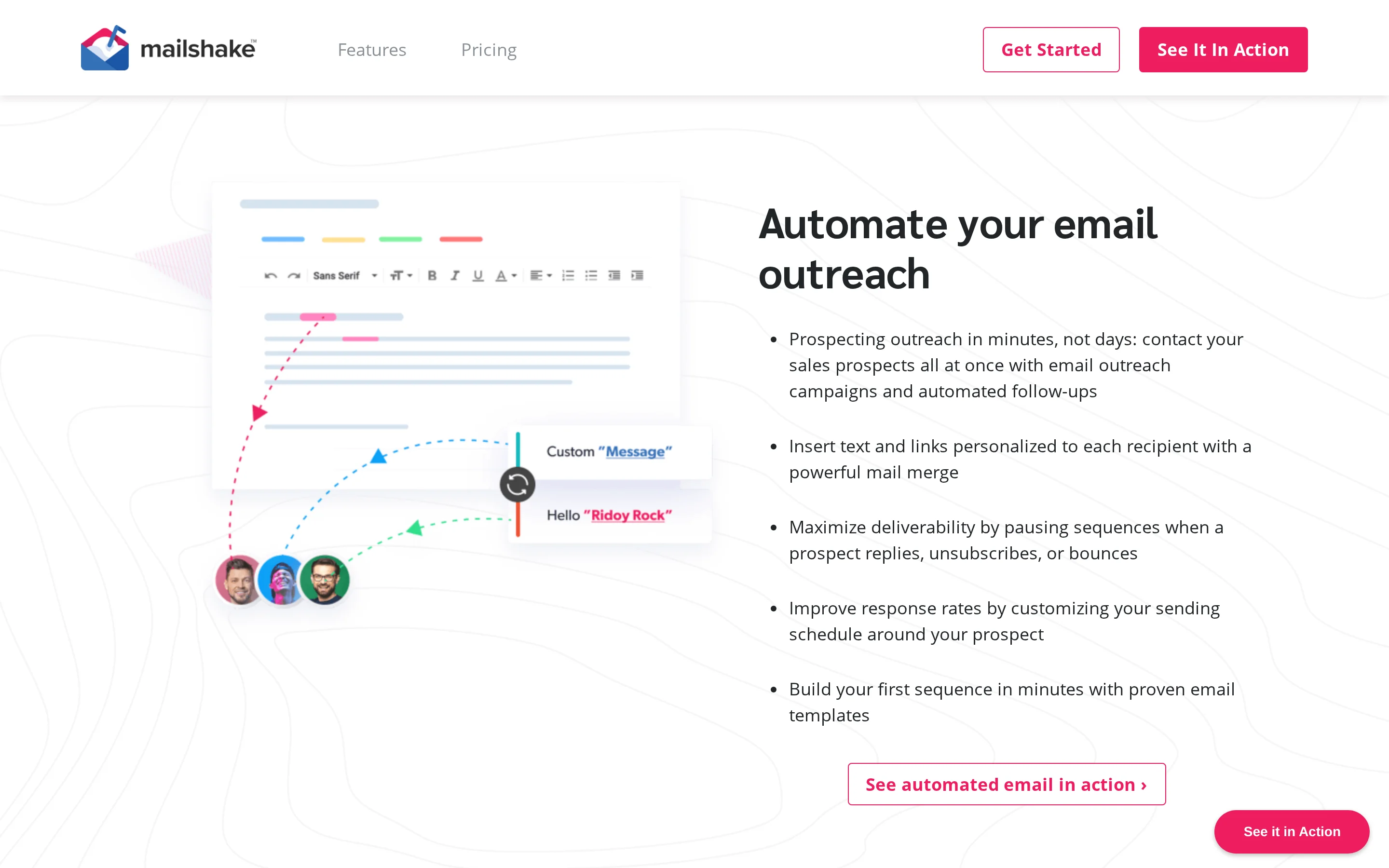
The fundamental architectural difference between SendroAI and Mailshake lies in how they approach personalization. Mailshake relies on a traditional template-based workflow where users create a base email and use mail merge tags (e.g., {{first_name}}, {{company}}) to insert basic data points. While efficient for volume, this method often results in repetitive patterns that spam filters detect and prospects ignore. In contrast, SendroAI employs an Autonomous AI Research Engine that scrapes real-time company and prospect intelligence before writing a single word. It synthesizes this data into unique, hand-written-feeling emails for every single lead, ensuring zero template reuse.
From a daily execution standpoint, this changes the SDR workflow entirely. With Mailshake, an SDR must manually craft or heavily edit templates to ensure relevance, which is time-consuming and prone to human error. SendroAI automates this research phase, analyzing buying signals and role-specific context to generate distinct messaging instantly. This means that while Mailshake sends 'Hi {{name}}, I saw you work at {{company}}', SendroAI sends a deeply contextual message referencing specific recent news, funding rounds, or role challenges, significantly increasing the likelihood of a reply.
The tradeoff is clear: Mailshake offers a lower barrier to entry with its familiar template interface but caps out at generic personalization. SendroAI requires no manual template creation but delivers superior engagement through true 1:1 relevance. For teams prioritizing reply rates over sheer volume of identical messages, SendroAI’s autonomous research engine is the decisive advantage.