Autonomous Research vs. Template Infrastructure: The Personalization Paradigm Shift
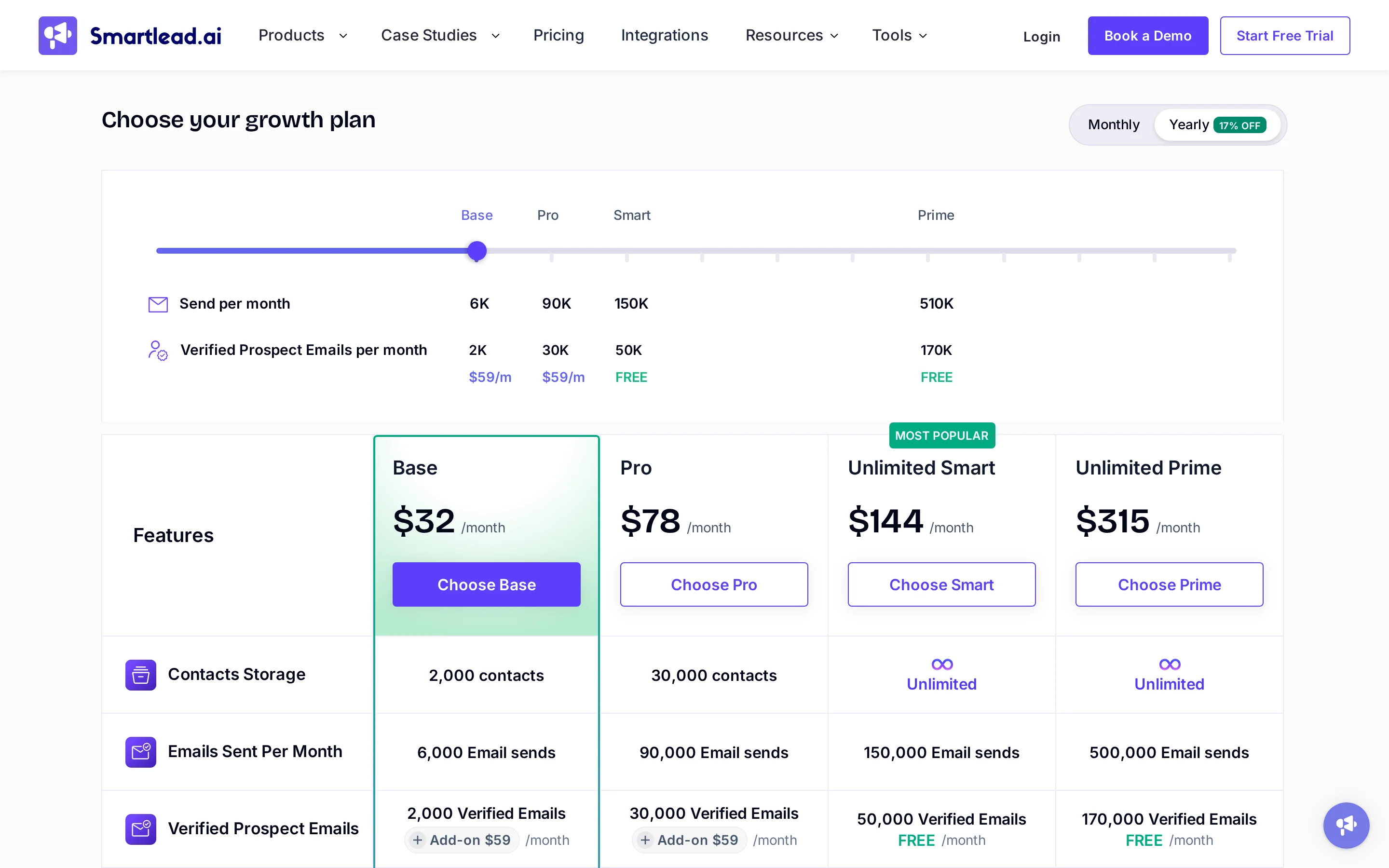
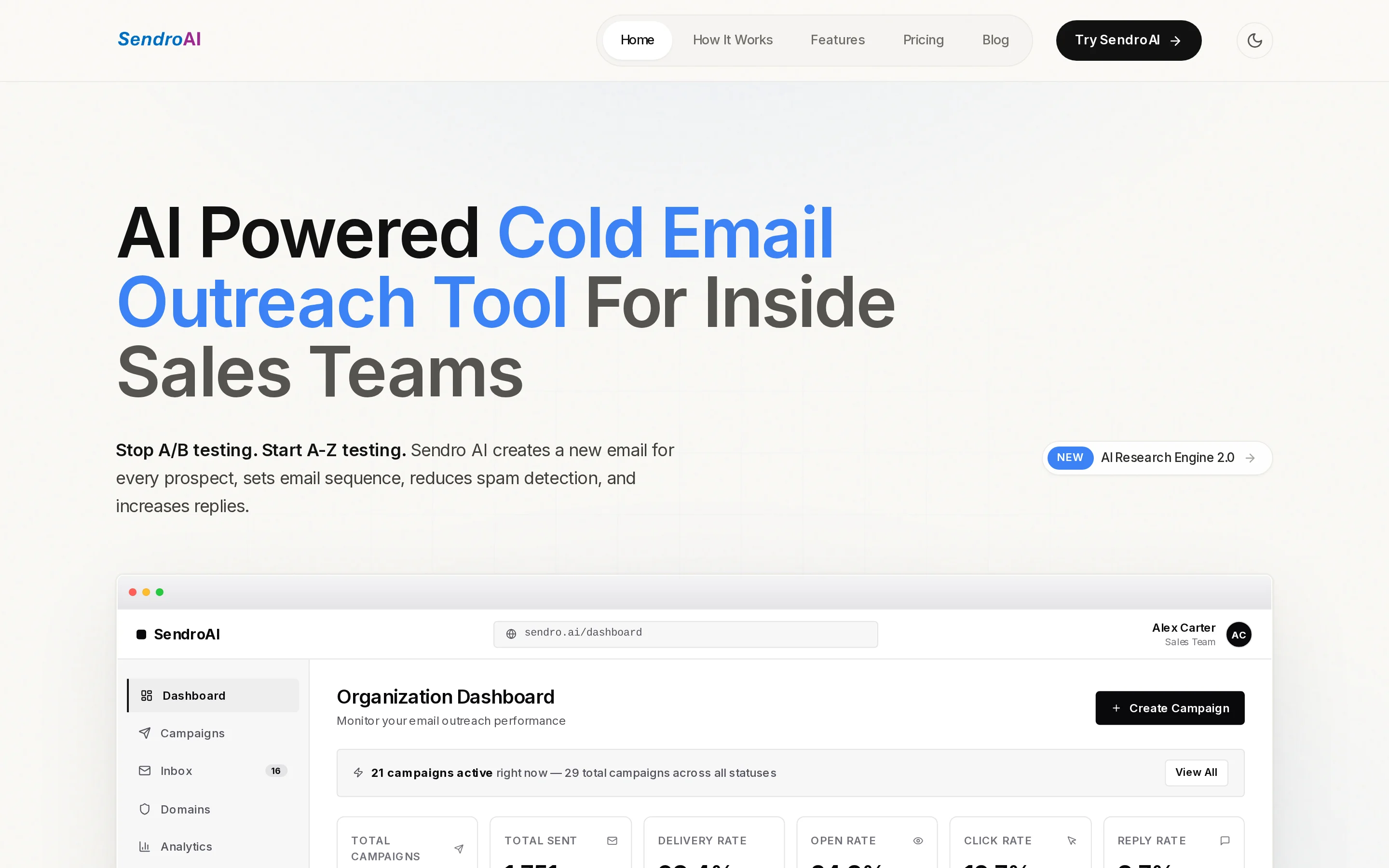
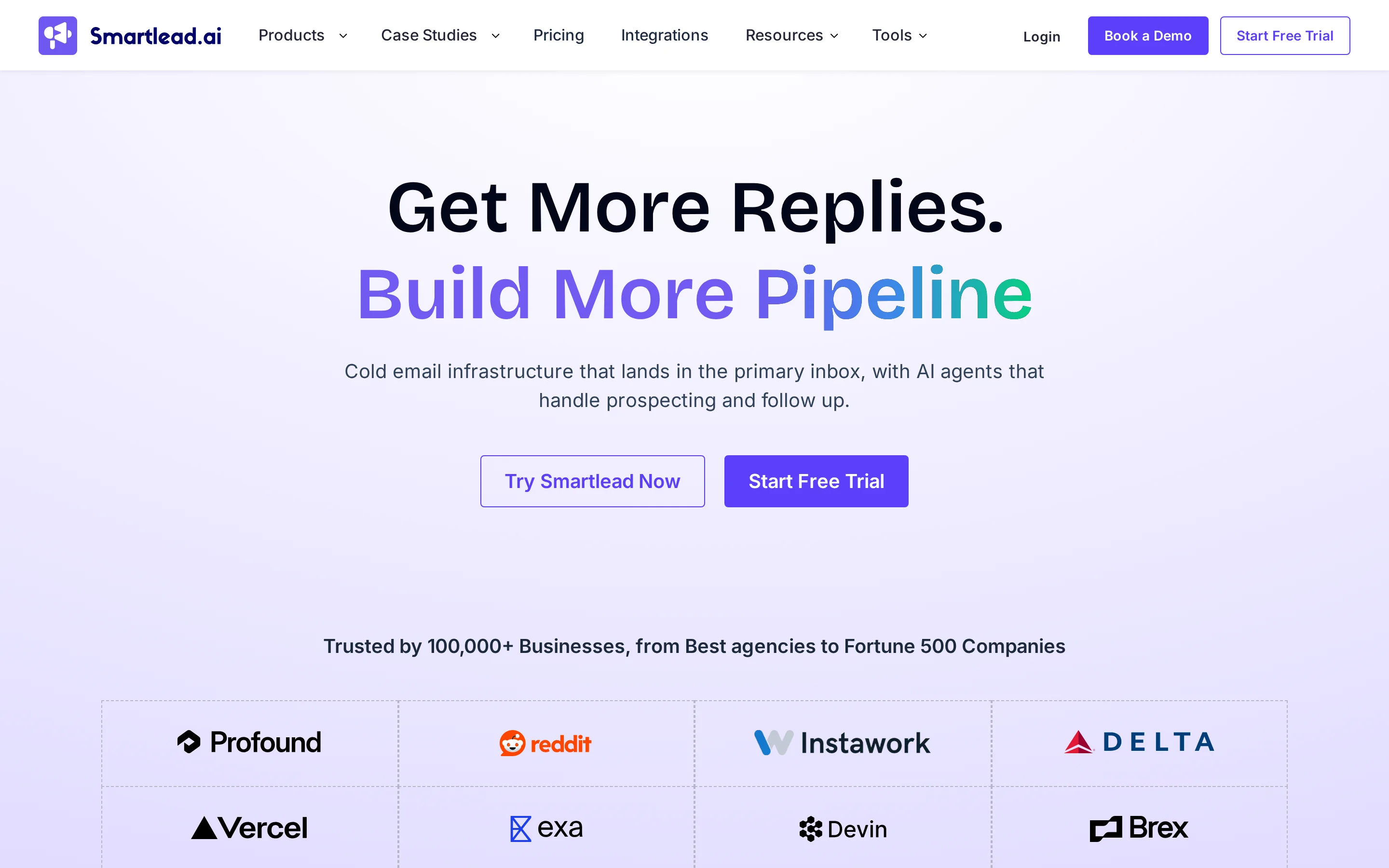
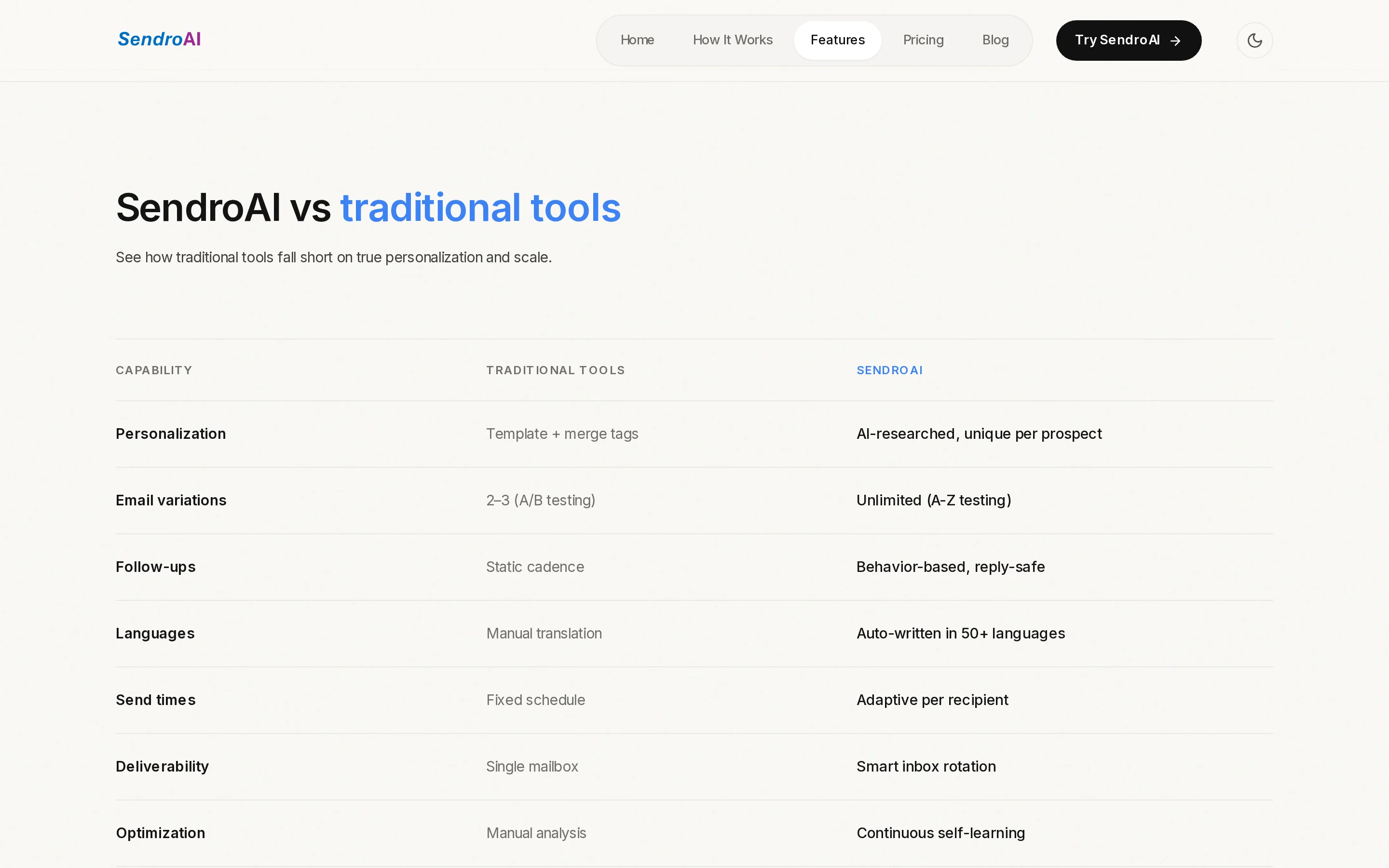
The fundamental architectural difference between SendroAI and Smartlead.ai lies in how personalization is generated. Smartlead operates on a template-first infrastructure, where users define a base structure and inject variables (merge tags) to create slight variations. While efficient for volume, this approach often results in detectable patterns that spam filters and savvy buyers can identify as 'templated.' In contrast, SendroAI utilizes an Autonomous Research Engine that scrapes real-time company and prospect data before drafting a single word. This ensures every email is unique, hand-written-feeling, and context-rich, eliminating the 'template fatigue' that plagues traditional cold outreach.
In daily execution, a Smartlead user spends significant time crafting perfect templates and managing liquid code or spintax to avoid repetition. A SendroAI user simply imports a list of leads and describes their product; the AI handles the rest. For example, if targeting a VP of Growth at ApexFlow, SendroAI analyzes ApexFlow’s recent market signals and the VP’s role to craft a specific opening line, whereas Smartlead would require the user to manually input those details into a variable field. This shifts the SDR’s role from 'copy-paste operator' to 'strategic reviewer,' saving hours of manual research per lead.
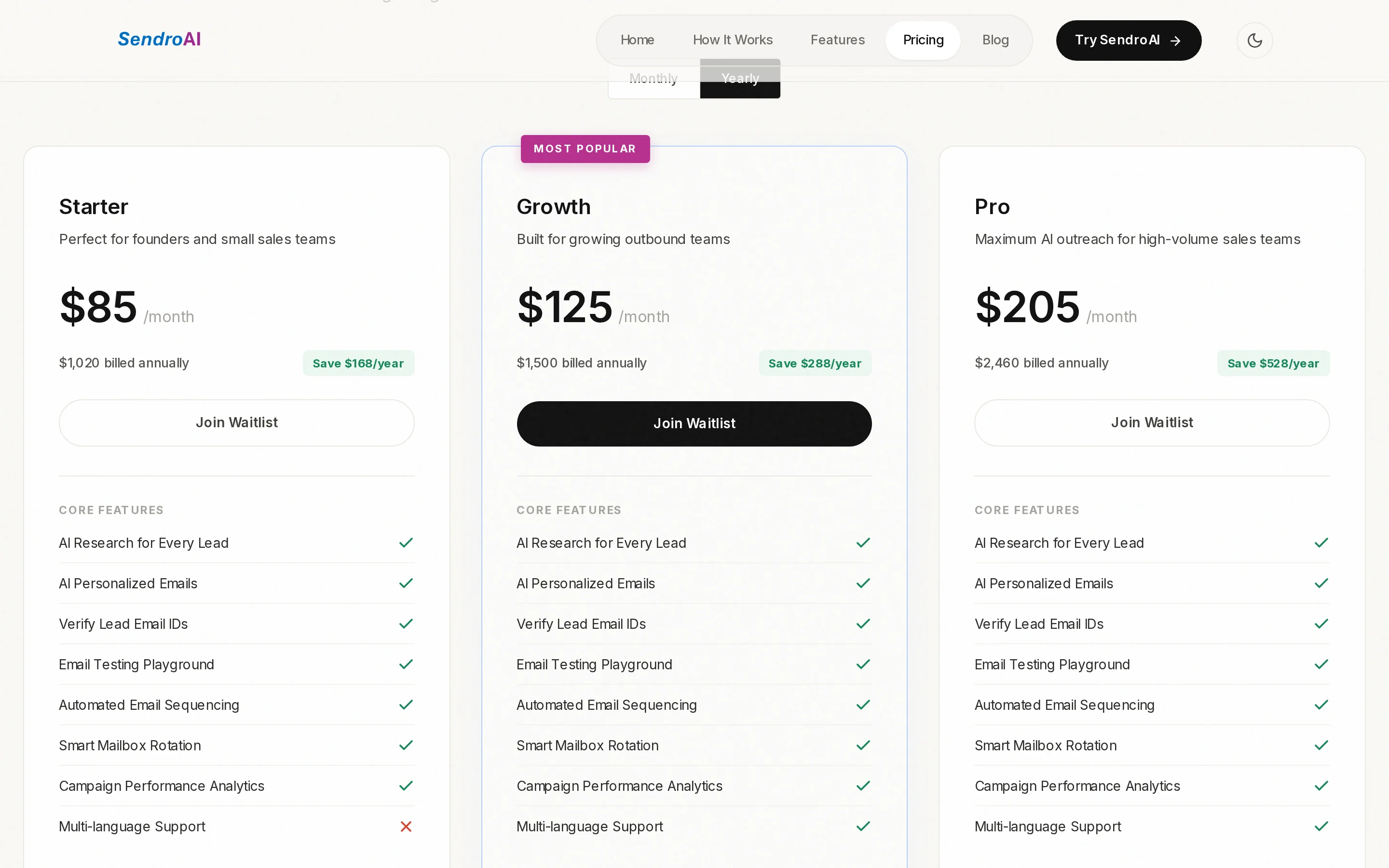
The tradeoff is clear: Smartlead offers a familiar, customizable interface for those who prefer granular control over every character of their template. However, SendroAI wins on scalability and relevance. By removing human error from the personalization equation, SendroAI achieves higher reply rates (averaging 8.7% vs. industry standard 1.8%) because the content is genuinely relevant to the recipient's current situation, not just their job title.