Autonomous AI Research vs. Manual Data Entry: The Efficiency Gap in Lead Personalization
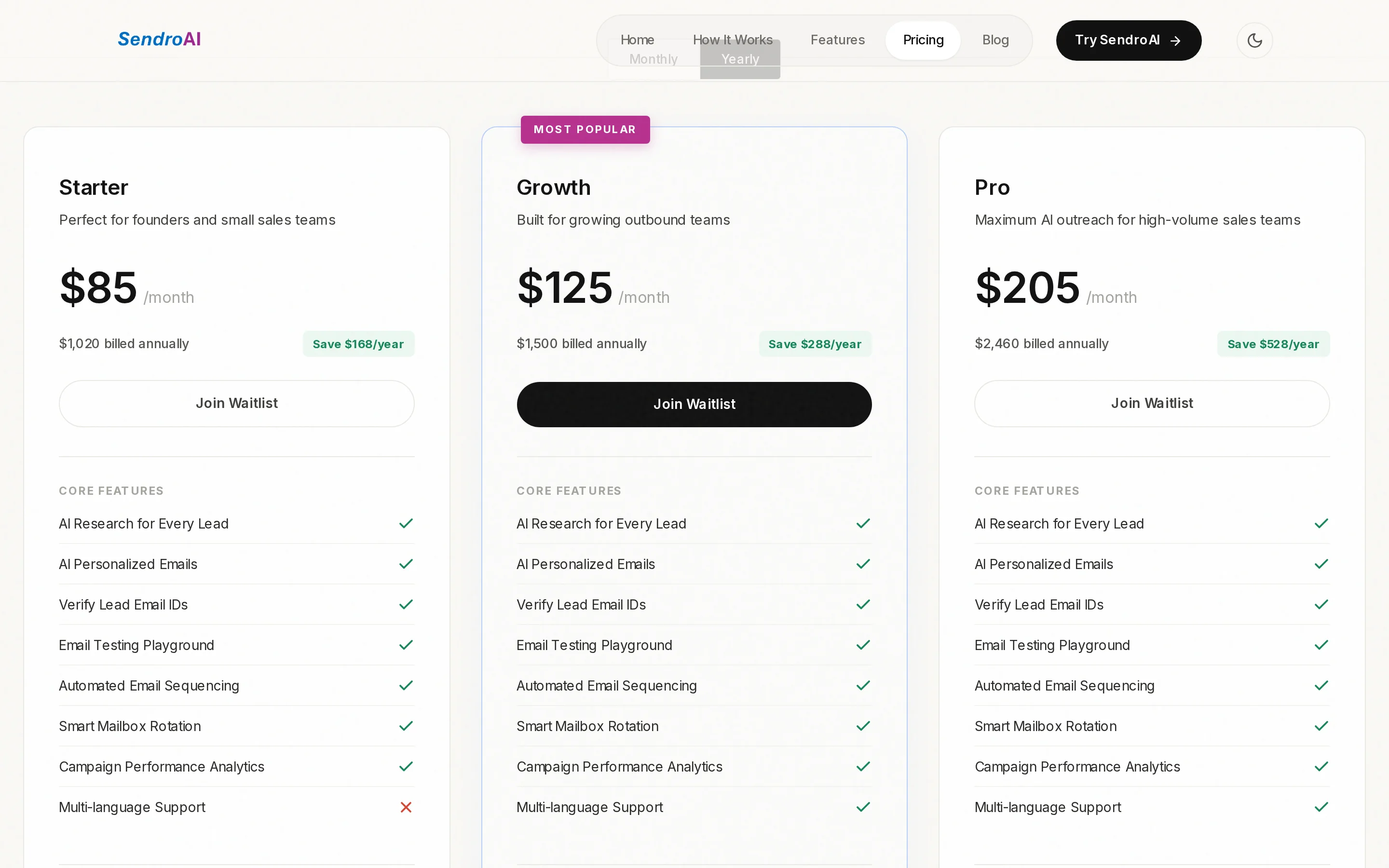
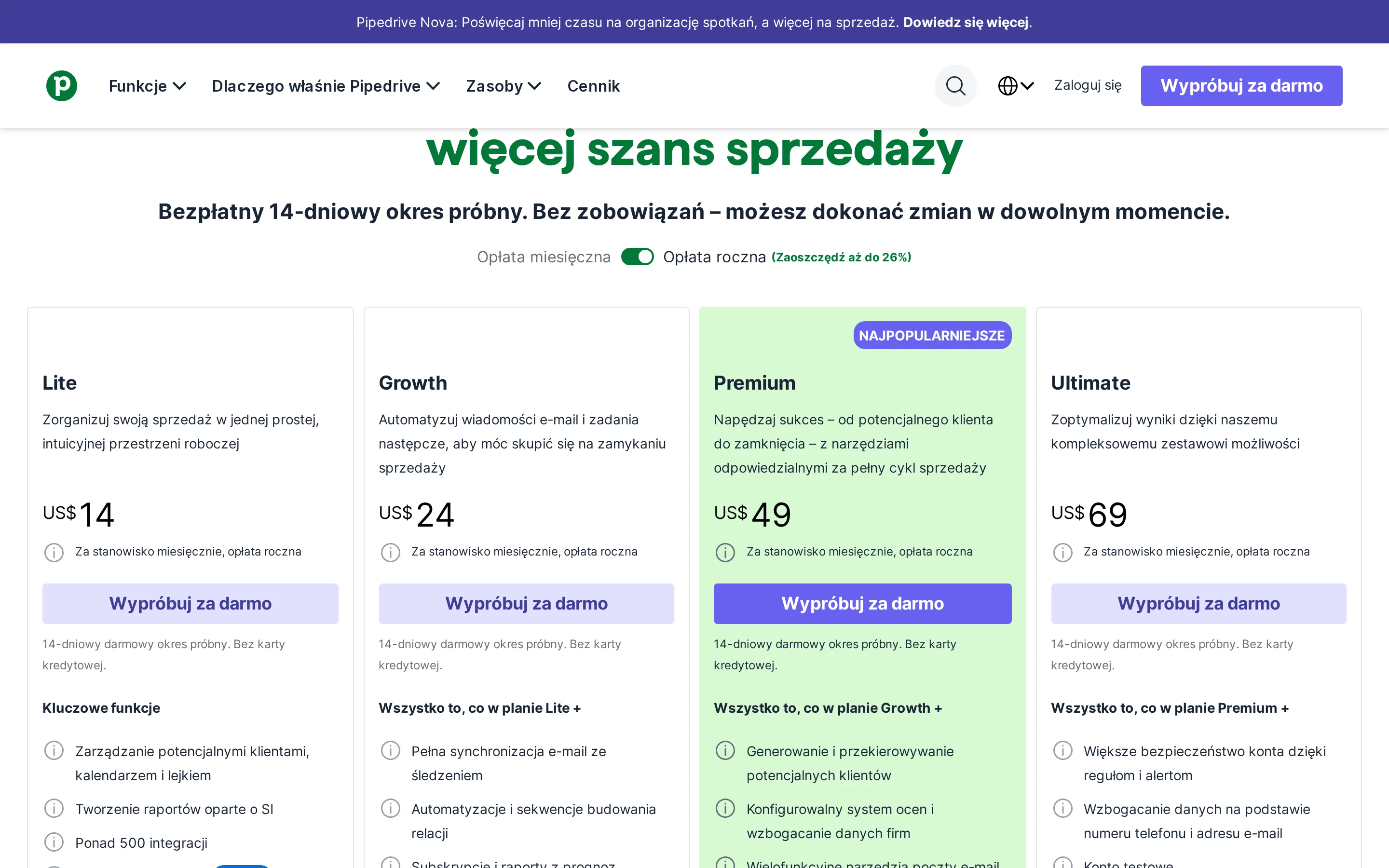
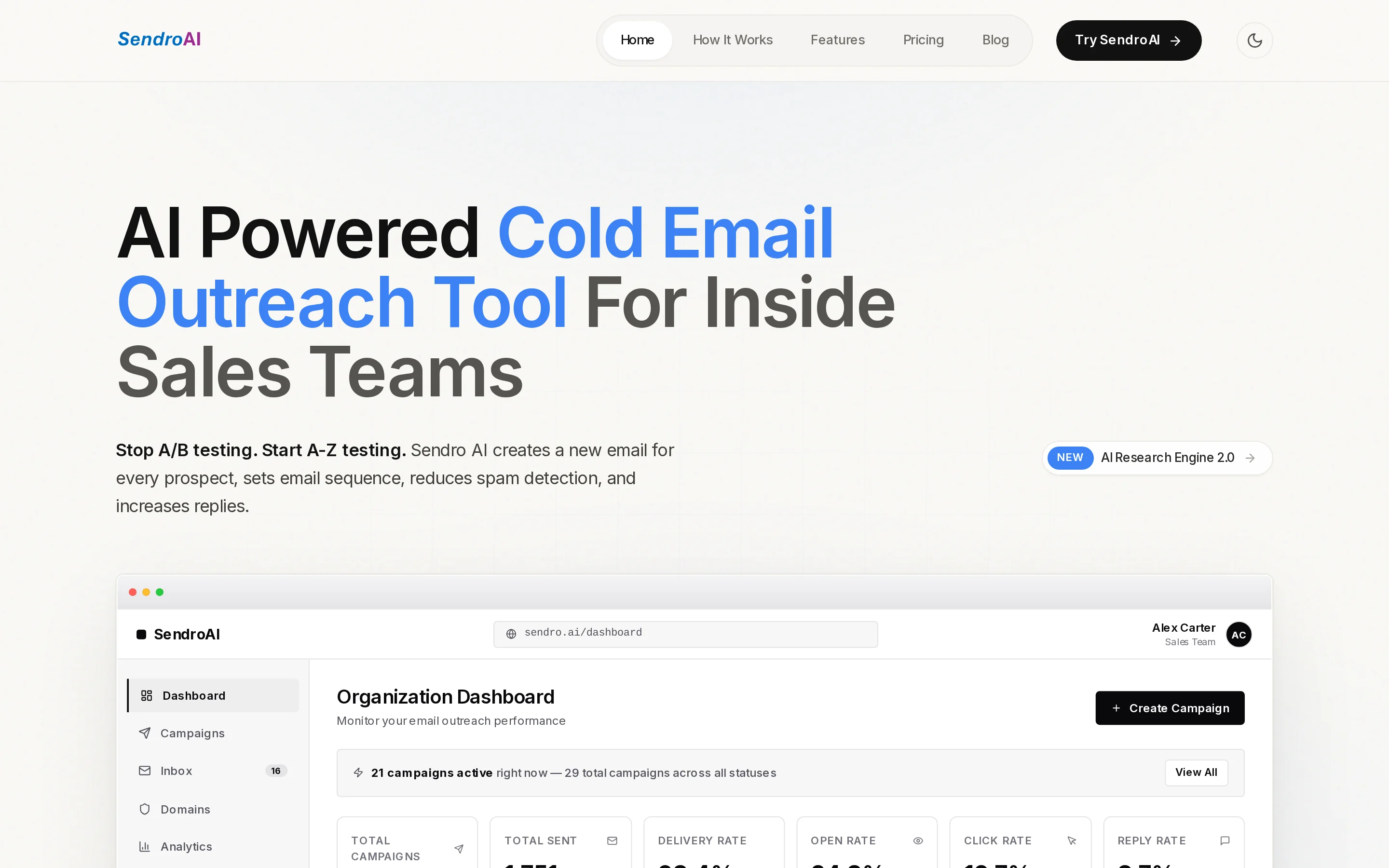
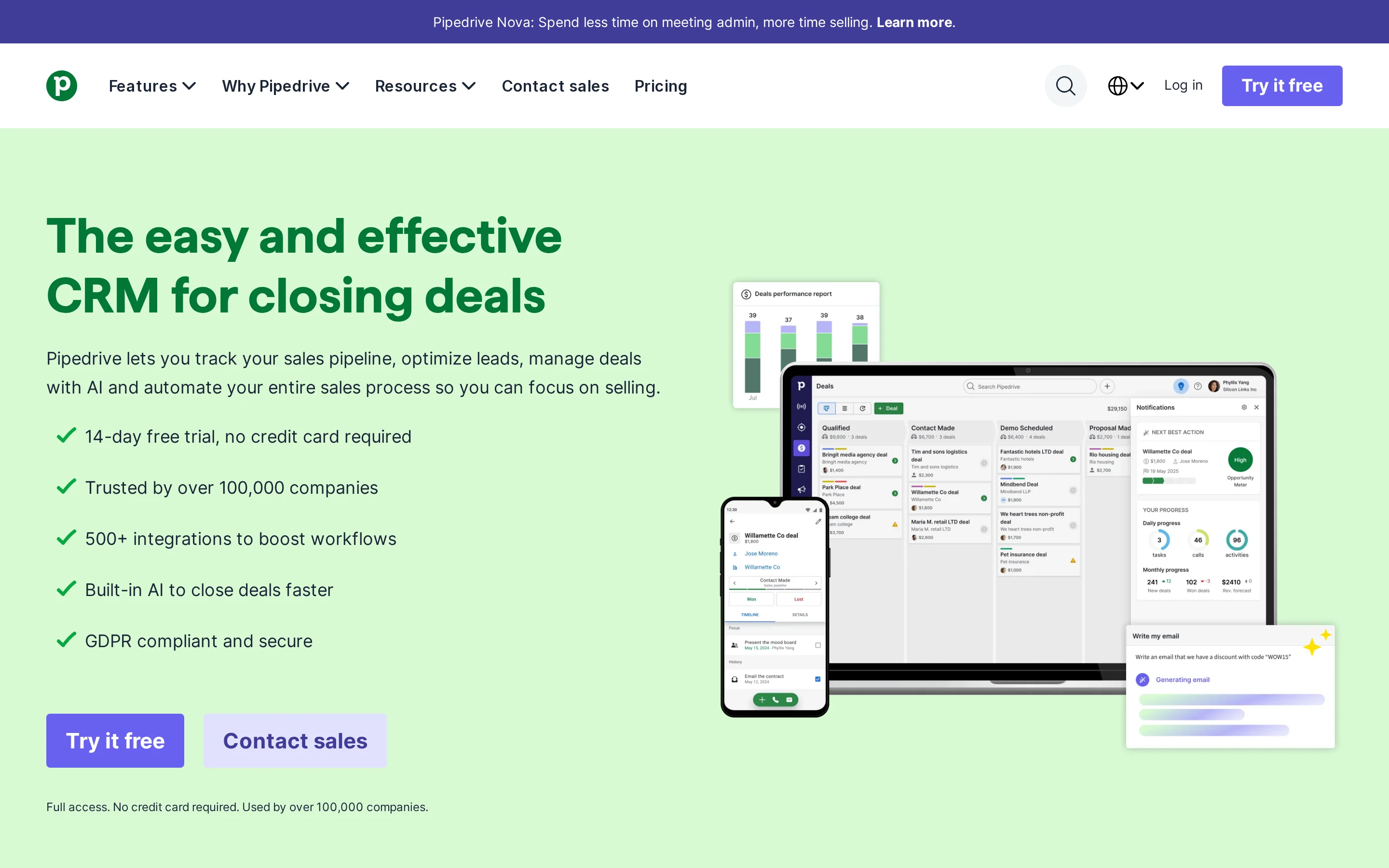
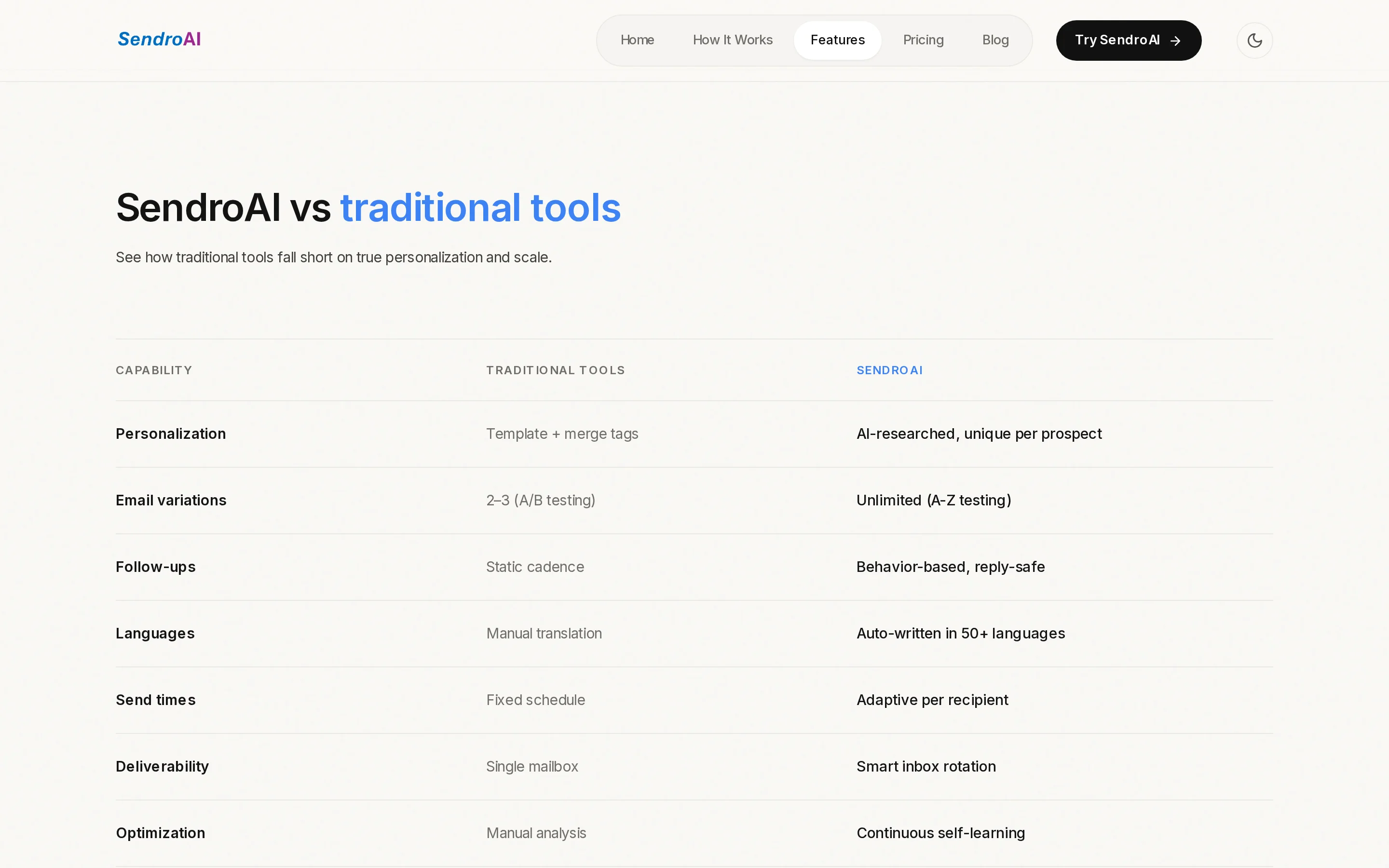
The fundamental architectural difference between SendroAI and Pipedrive lies in how personalization is achieved. SendroAI utilizes an AI Research Engine that scrapes real-time company positioning, persona roles, and market signals before writing a single word. This ensures every email is unique, hand-written-feeling, and context-rich, eliminating the 'template fatigue' that plagues traditional outreach. In contrast, Pipedrive relies on static CRM data entry and manual merge fields. While Pipedrive excels at storing contact information, it lacks the autonomous capability to generate fresh, relevant insights for each prospect, forcing SDRs to manually research leads or settle for generic templates that trigger spam filters.
In daily execution, SendroAI’s workflow transforms hours of manual research into seconds of automated synthesis. An SDR using Pipedrive must spend 10-20 minutes per lead researching their background, recent news, or specific pain points to craft a meaningful intro. SendroAI performs this research instantly for every prospect in your list, allowing your team to focus on strategy rather than data gathering. Furthermore, SendroAI’s A-Z testing creates a unique email variation for every prospect, continuously optimizing content and timing, whereas Pipedrive users are limited to basic A/B testing with static templates.
The tradeoff is clear: Pipedrive offers a familiar interface for managing existing pipelines but requires significant human effort to achieve even basic personalization. SendroAI removes this bottleneck by automating the research and writing process. For teams prioritizing reply rates and inbox placement over simple database management, SendroAI’s autonomous approach is superior because it scales personalization without scaling headcount.