Autonomous Intelligence vs. Static Validation: The Research Gap
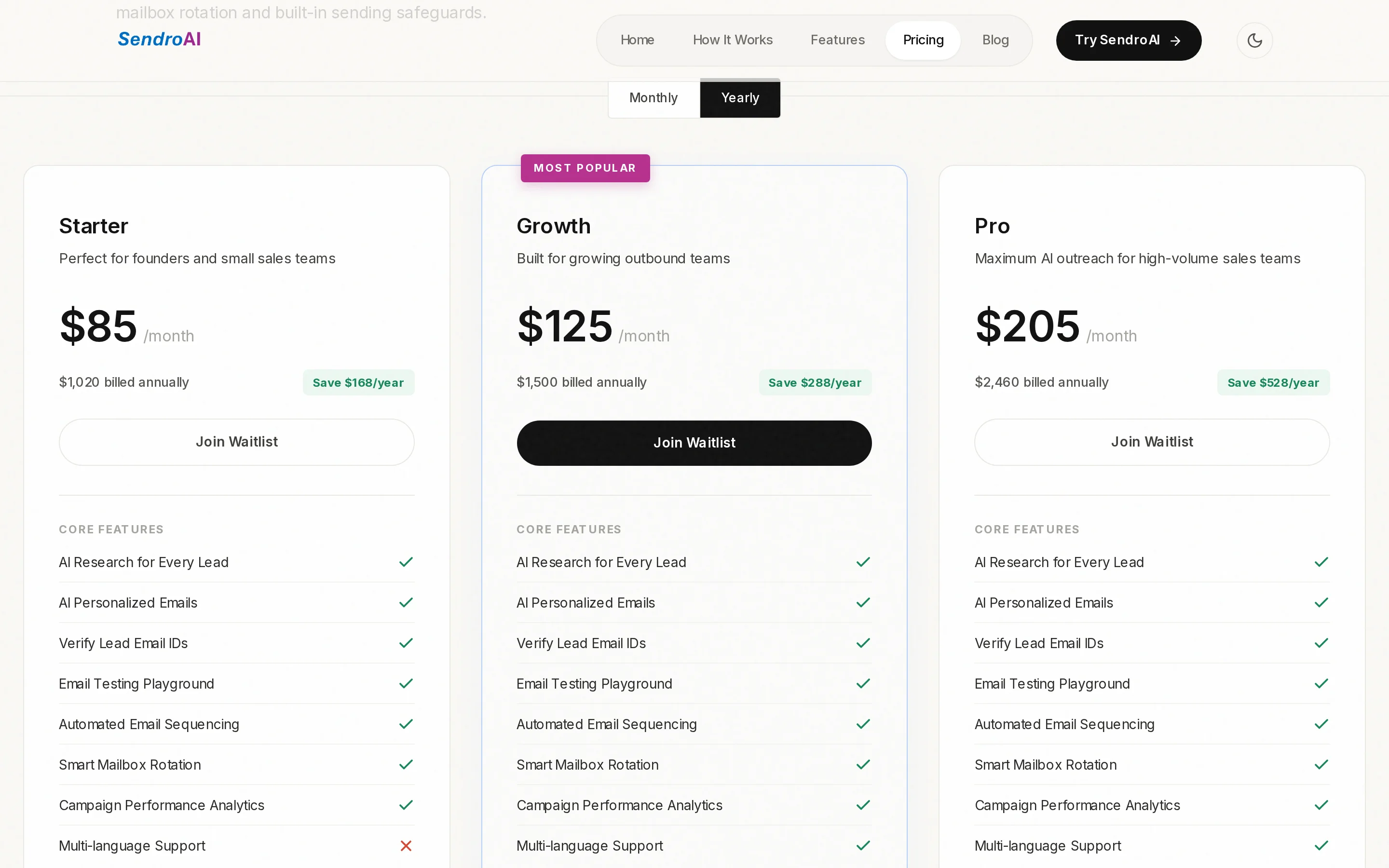
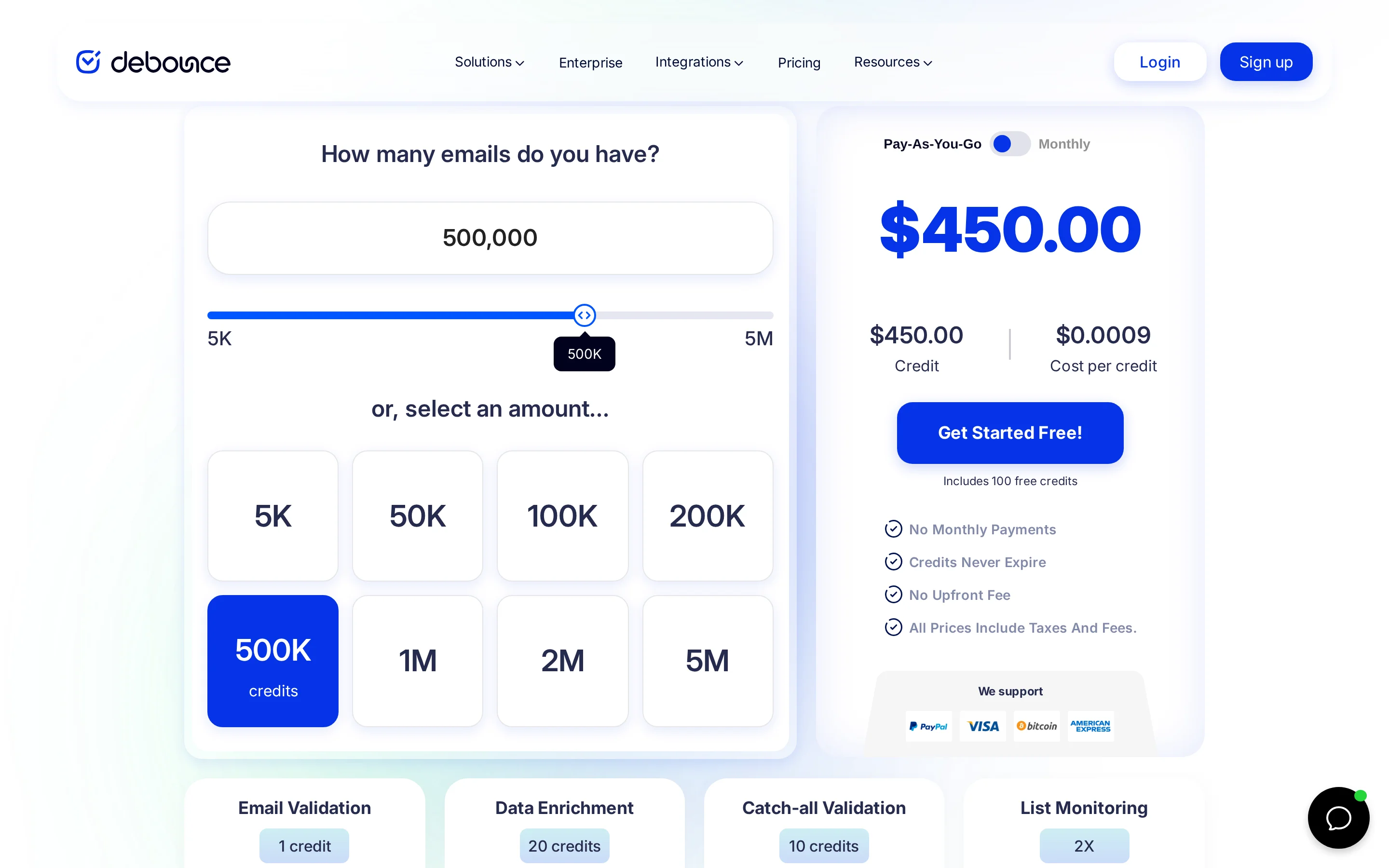
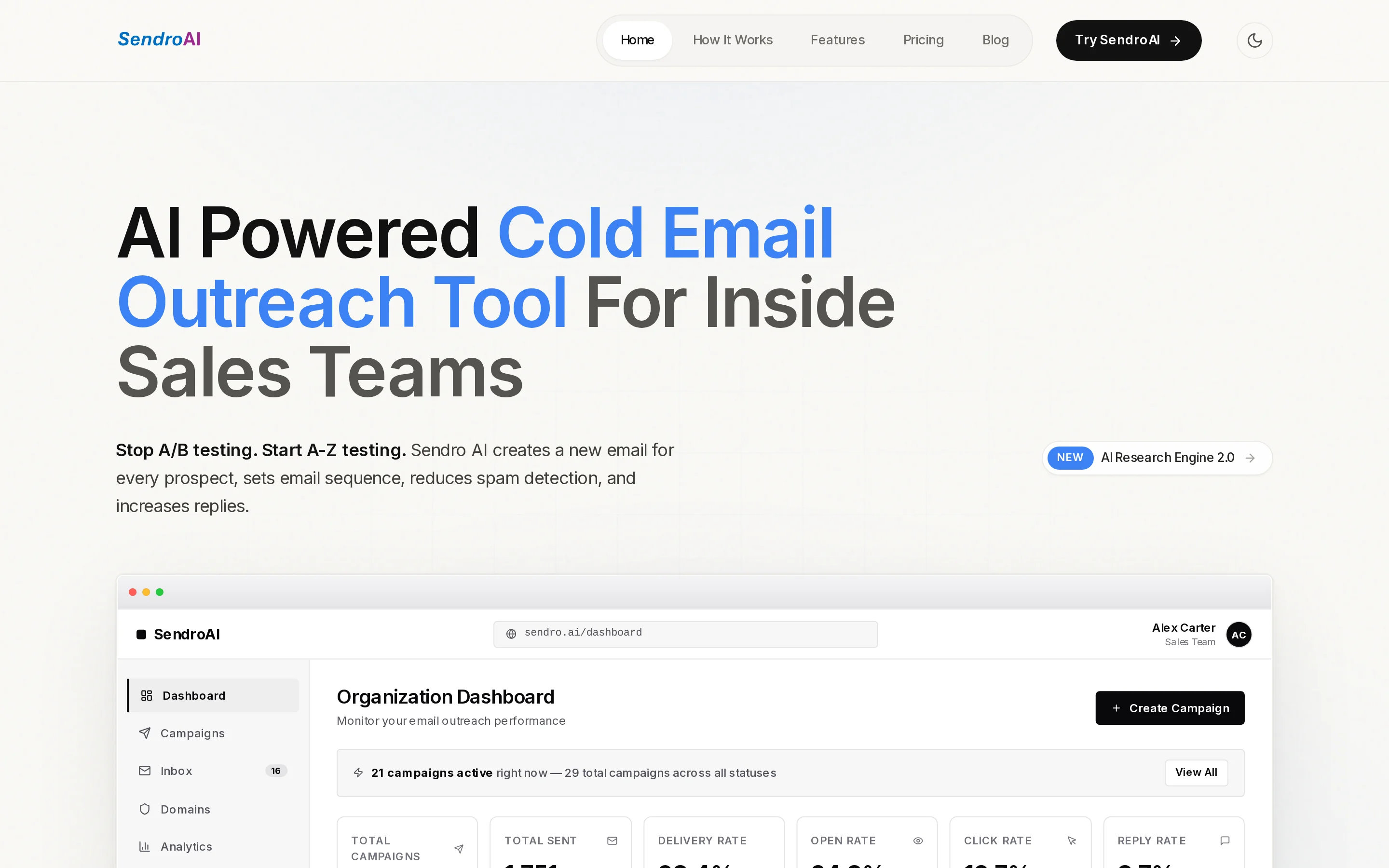
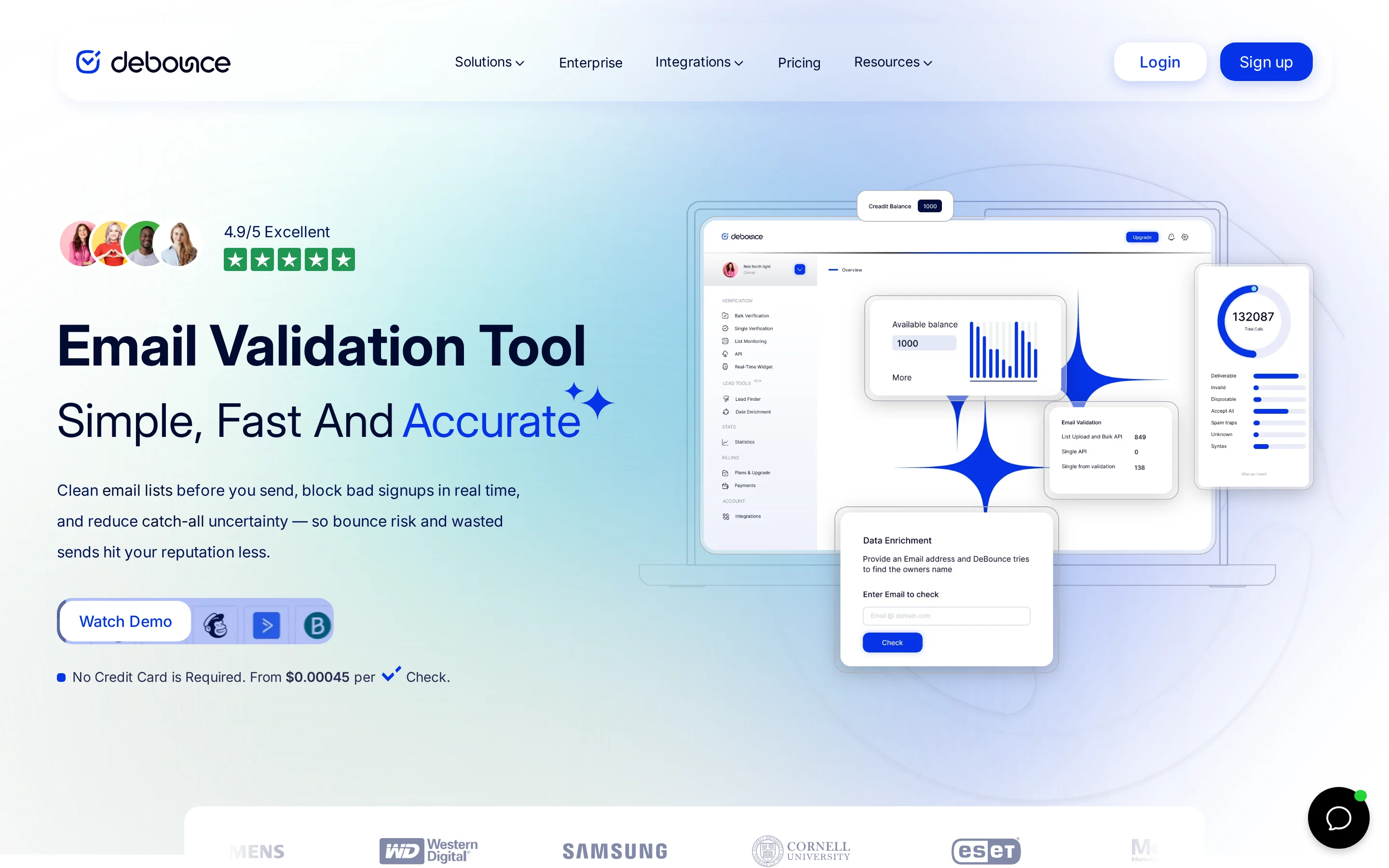
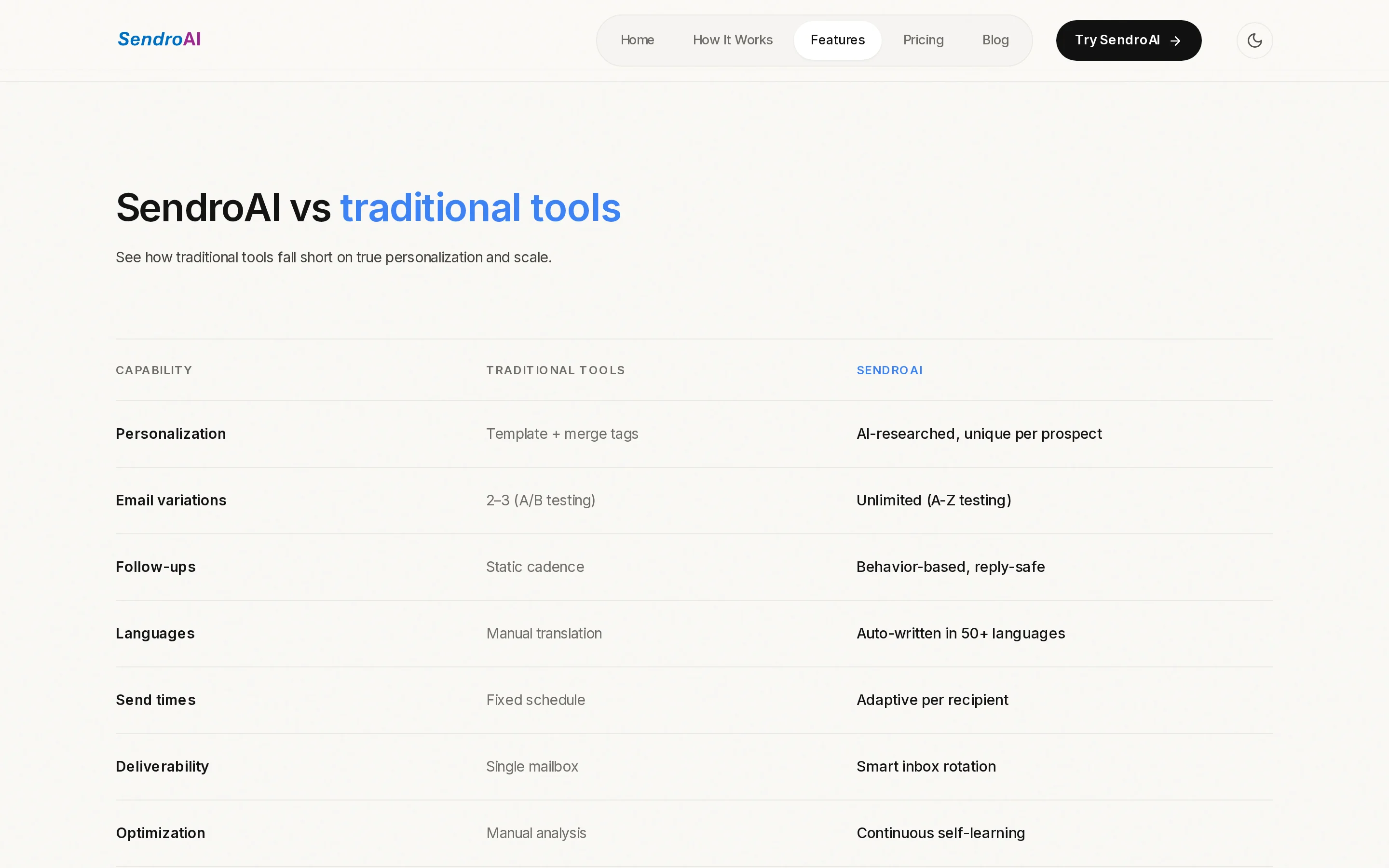
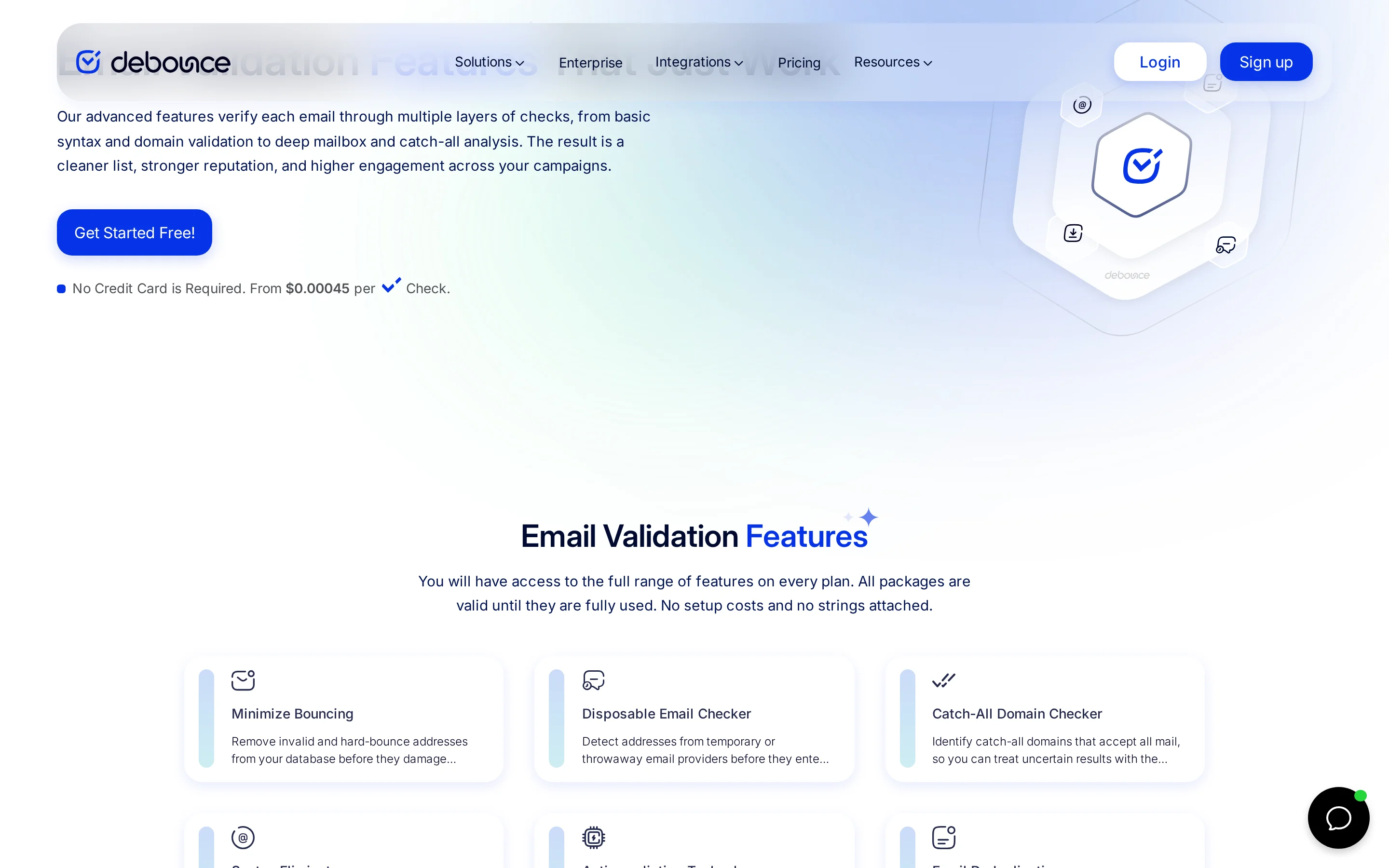
The fundamental architectural difference between SendroAI and DeBounce lies in their approach to data utility. SendroAI is built as an autonomous intelligence engine that performs deep, real-time research on every single prospect before drafting a single word of an email. It analyzes company positioning, persona roles, and market signals to synthesize unique, hand-written-feeling outreach. In contrast, DeBounce functions strictly as a technical validation layer, focusing on syntax checks, domain verification, and catch-all identification to ensure emails reach the inbox but offering no insight into the recipient's context or intent.
In daily execution, this distinction dictates the quality of engagement. With SendroAI, SDRs import a CSV of leads, and the platform instantly generates unique messaging for each contact based on live web scraping and AI synthesis. This eliminates the 'template fatigue' that prospects experience with generic blasts. DeBounce, while excellent at cleaning lists to prevent bounces, requires users to manually craft or source their own templates. If a user relies solely on DeBounce for list hygiene but sends templated messages, they remain vulnerable to spam filters that detect repetitive content patterns, regardless of how clean the email addresses are.
The tradeoff is clear: DeBounce ensures your message *can* land, but SendroAI ensures it *wants* to be read. For teams prioritizing reply rates and conversion, SendroAI’s research-first approach is superior because it treats personalization as a scalable, automated process rather than a manual bottleneck. DeBounce remains a valuable utility for pure list maintenance, but it cannot replace the strategic advantage of autonomous, 1:1 researched outreach.