From Static Validation to Autonomous Intelligence: Why SendroAI’s AI Research Engine Outperforms ZeroBounce’s Verification-Only Model
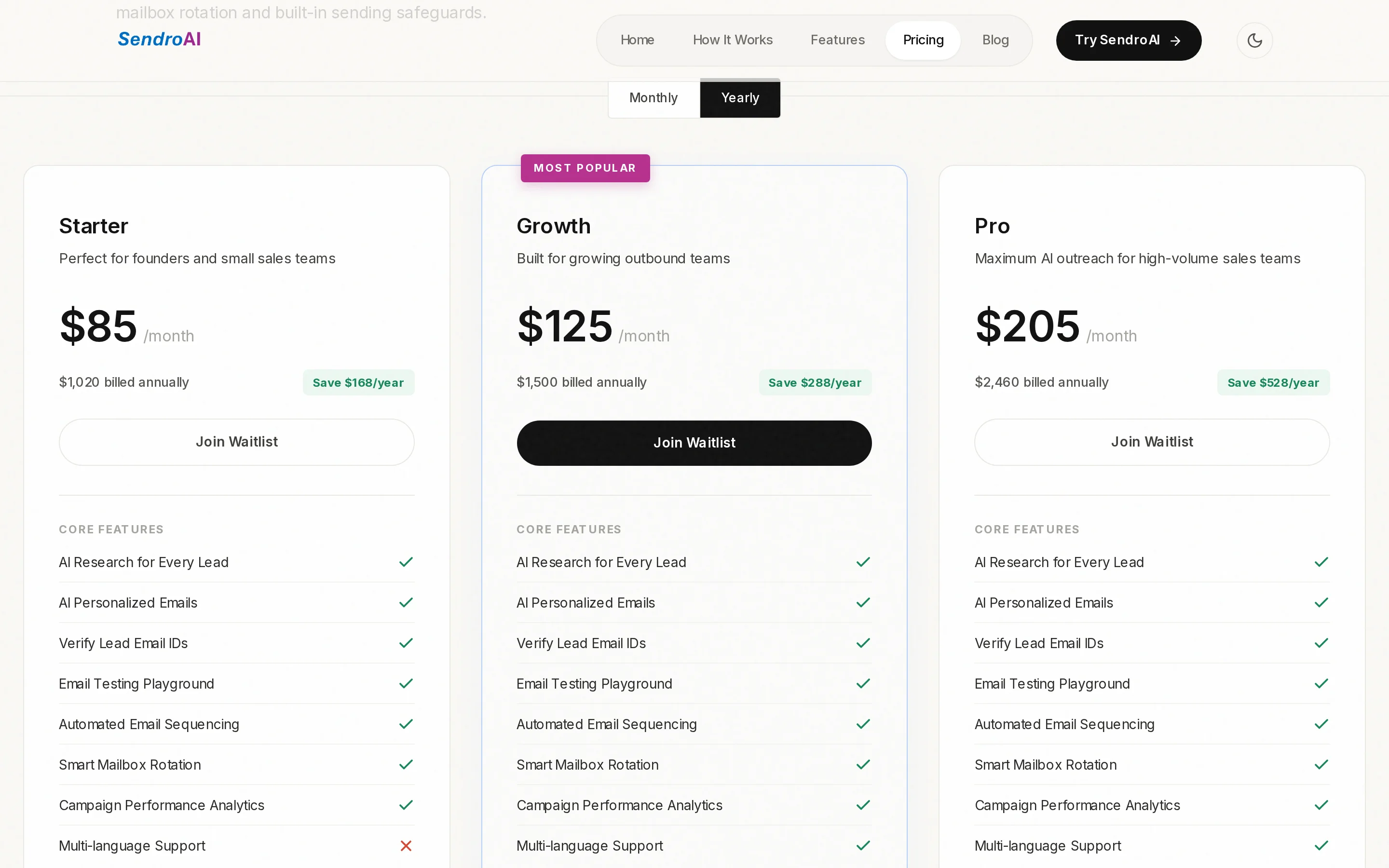
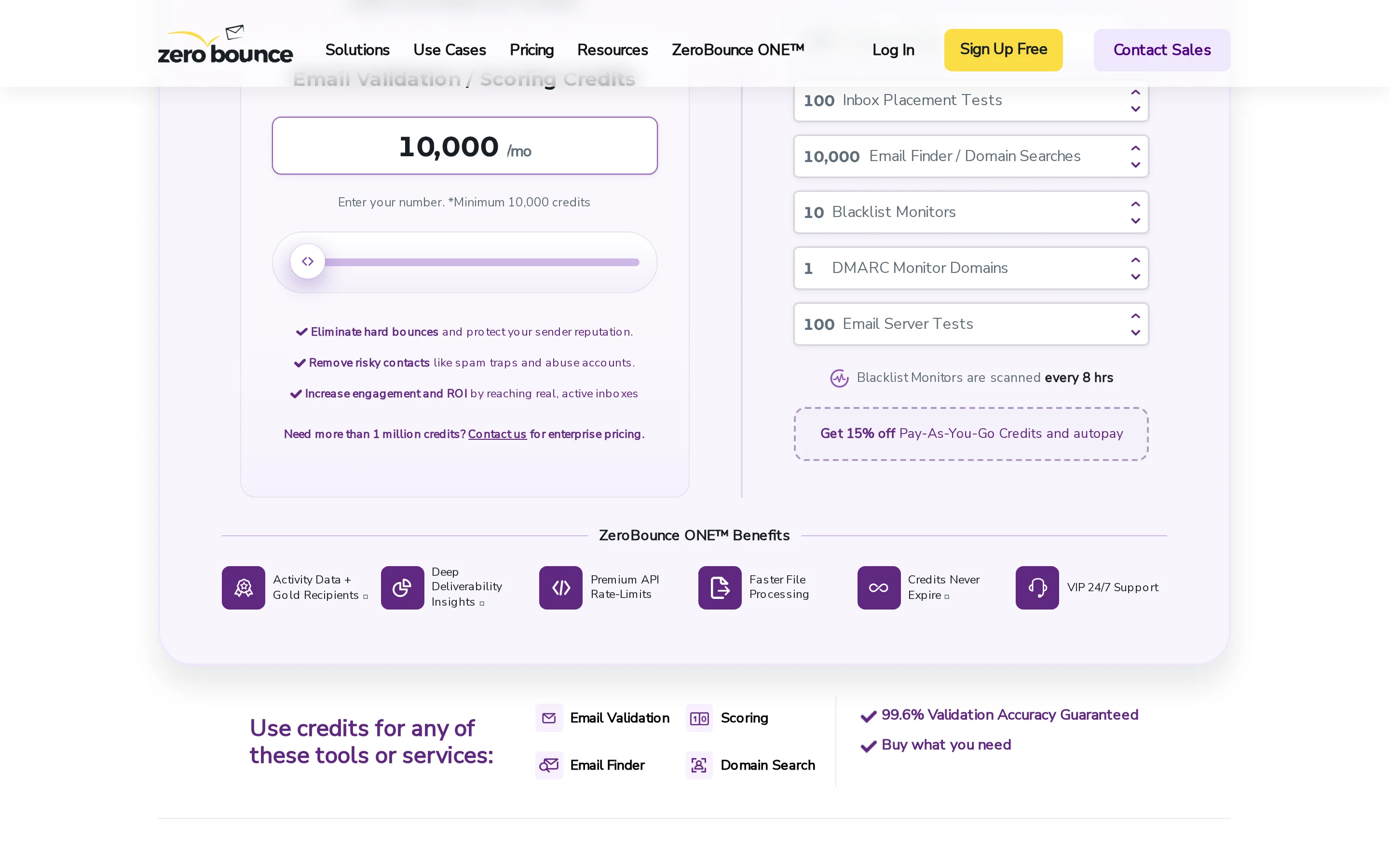
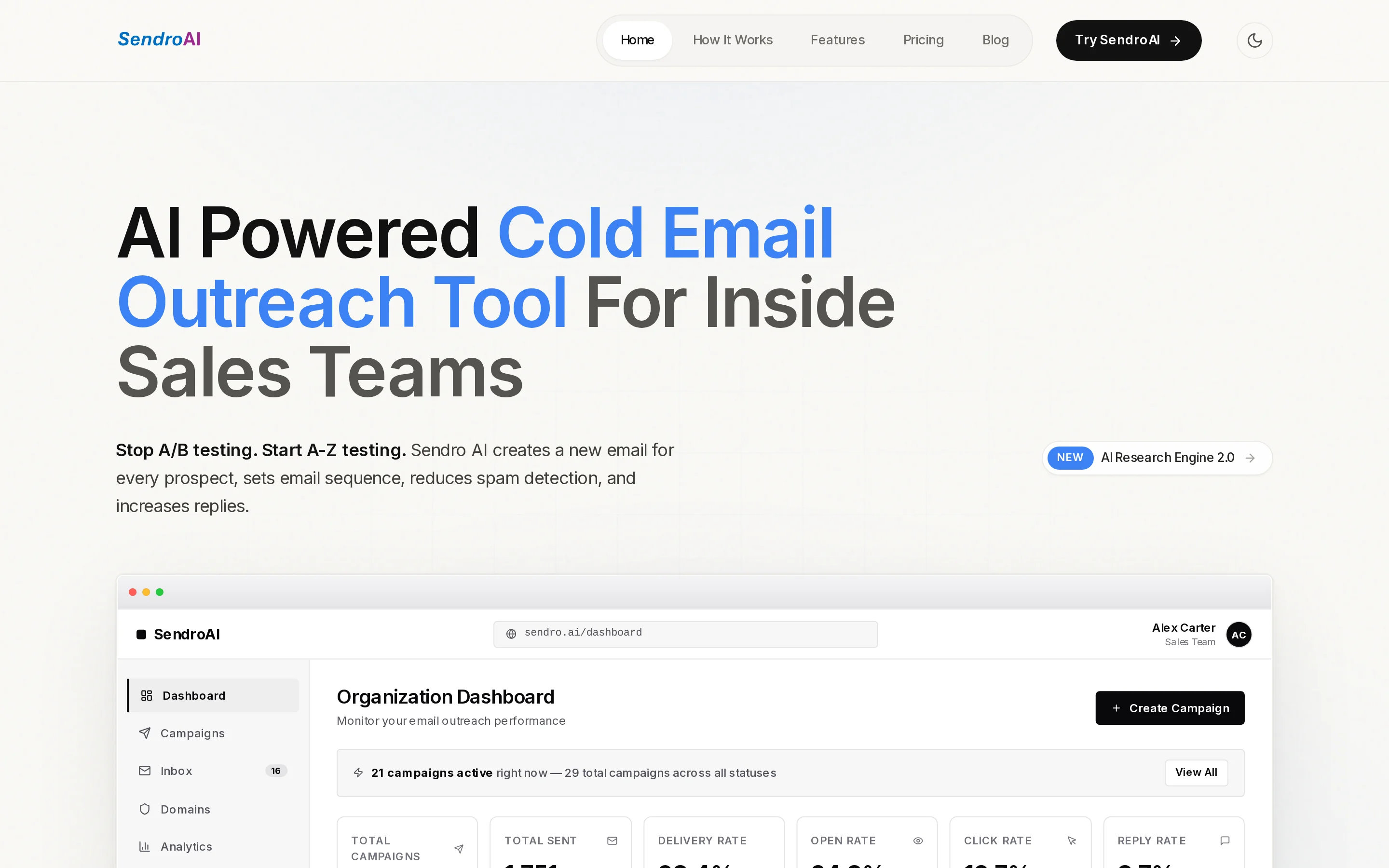
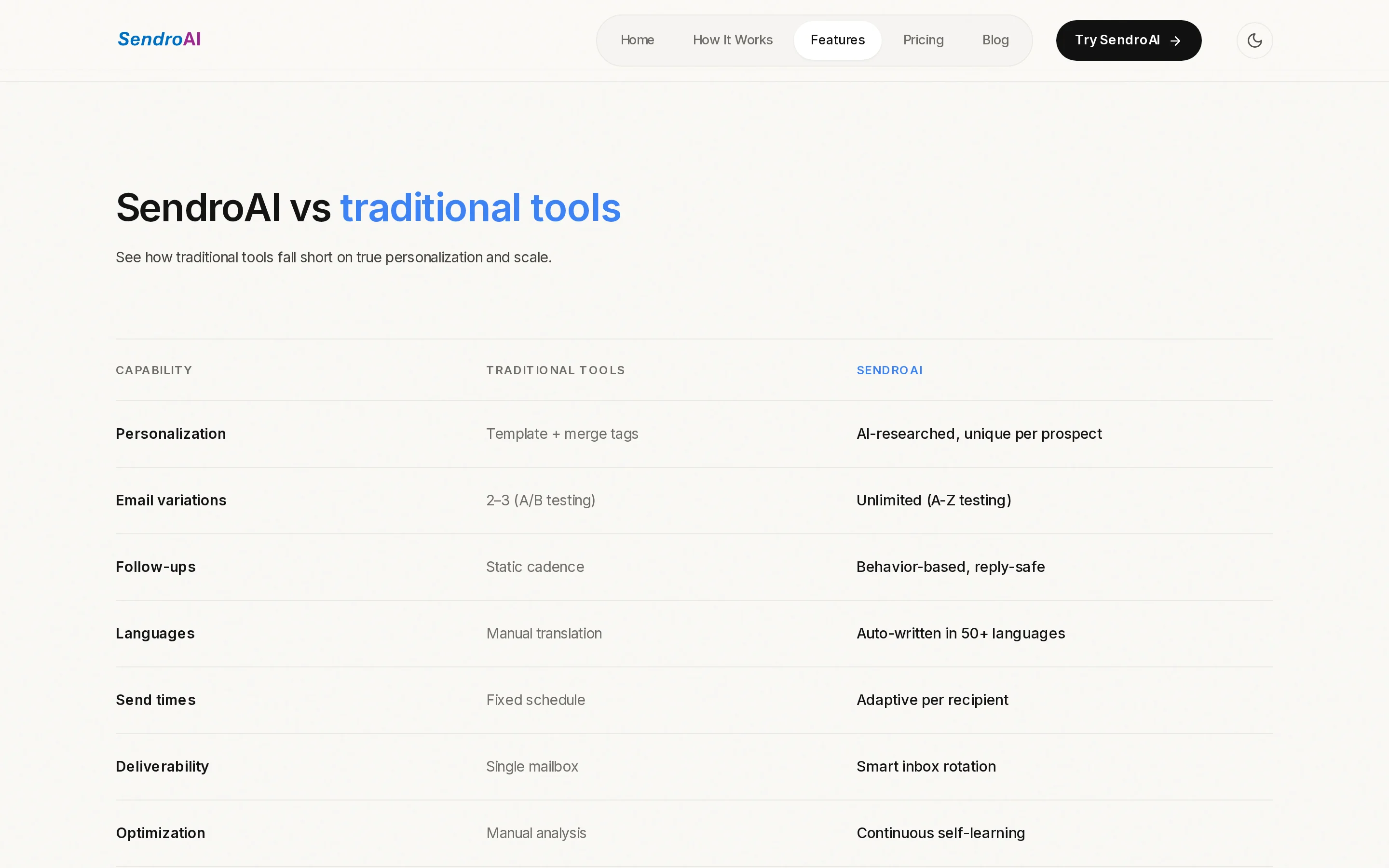
The fundamental difference between SendroAI and ZeroBounce lies in their architectural philosophy regarding data utility. ZeroBounce operates as a passive verification tool; it confirms whether an email address exists and flags risks like spam traps or catch-alls, but it does not generate the narrative required to engage the recipient. In contrast, SendroAI functions as an active outbound engine that conducts real-time, 1:1 prospect research before writing a single word. This means every email is synthesized from live company positioning, role analysis, and market signals, resulting in hand-written-feeling copy that eliminates the 'template pattern' detection triggers used by modern spam filters.
For daily execution, this distinction creates a massive efficiency gap. A team using ZeroBounce must manually stitch together a workflow: verify emails via API, import them into a separate sending platform, and rely on basic merge tags for personalization. SendroAI automates this entire chain. The AI Research Engine scrapes active data points and synthesizes them into unique outreach sequences instantly. While ZeroBounce ensures your list is clean, SendroAI ensures your message is relevant. For SDRs, this shifts the bottleneck from manual research hours to strategic campaign management, allowing one person to scale the output of a ten-person research team.
The tradeoff is clear: if you strictly need a database lookup service to clean a static CSV file, ZeroBounce serves that specific function. However, for any team aiming to increase reply rates through genuine relevance, SendroAI’s model is superior. By removing generic templates and replacing them with AI-researched context, SendroAI achieves significantly higher engagement (averaging 8.7% reply rates vs industry averages) while simultaneously protecting sender reputation through content uniqueness.