Autonomous Research vs. Static Data Enrichment: The Personalization Engine
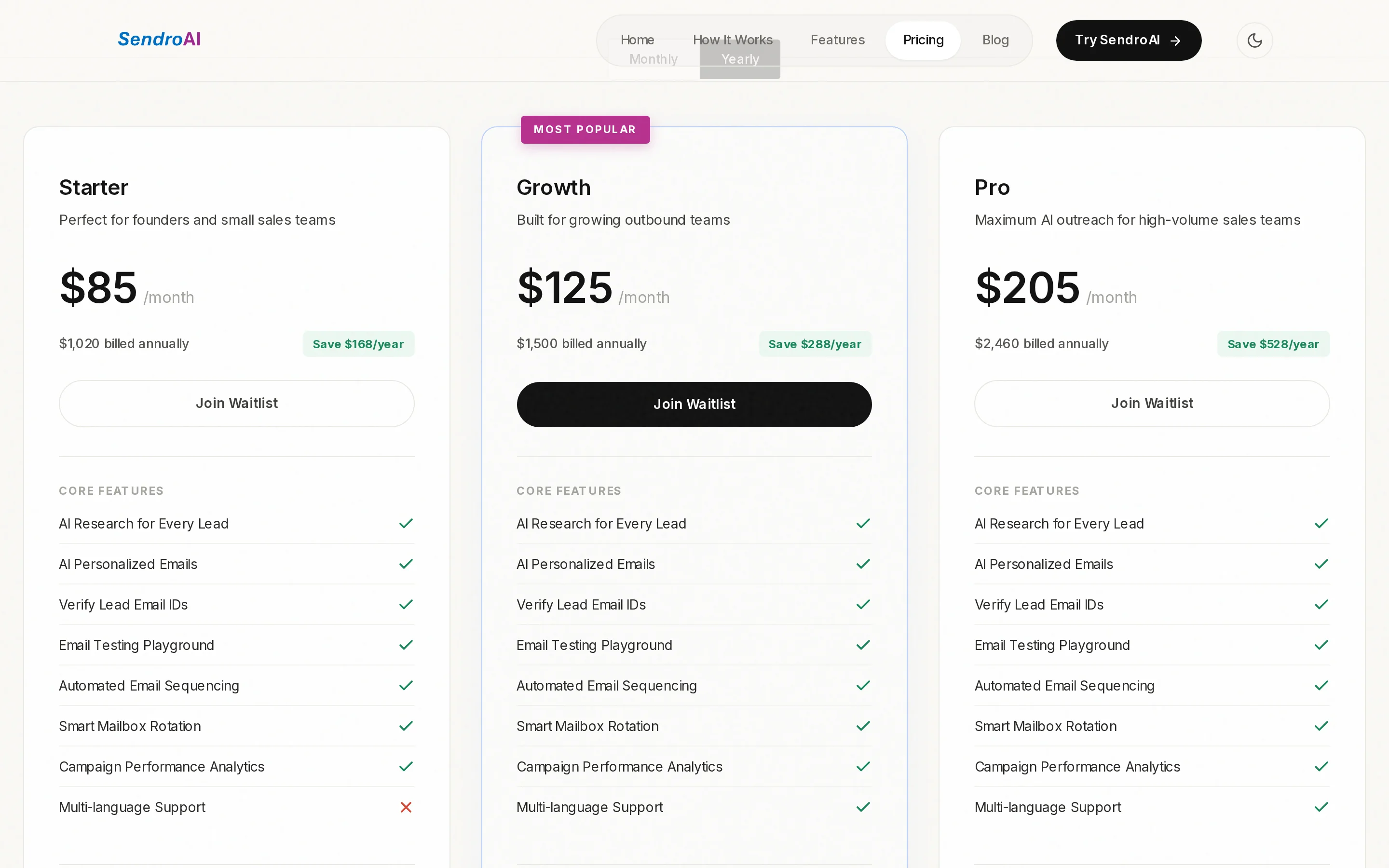
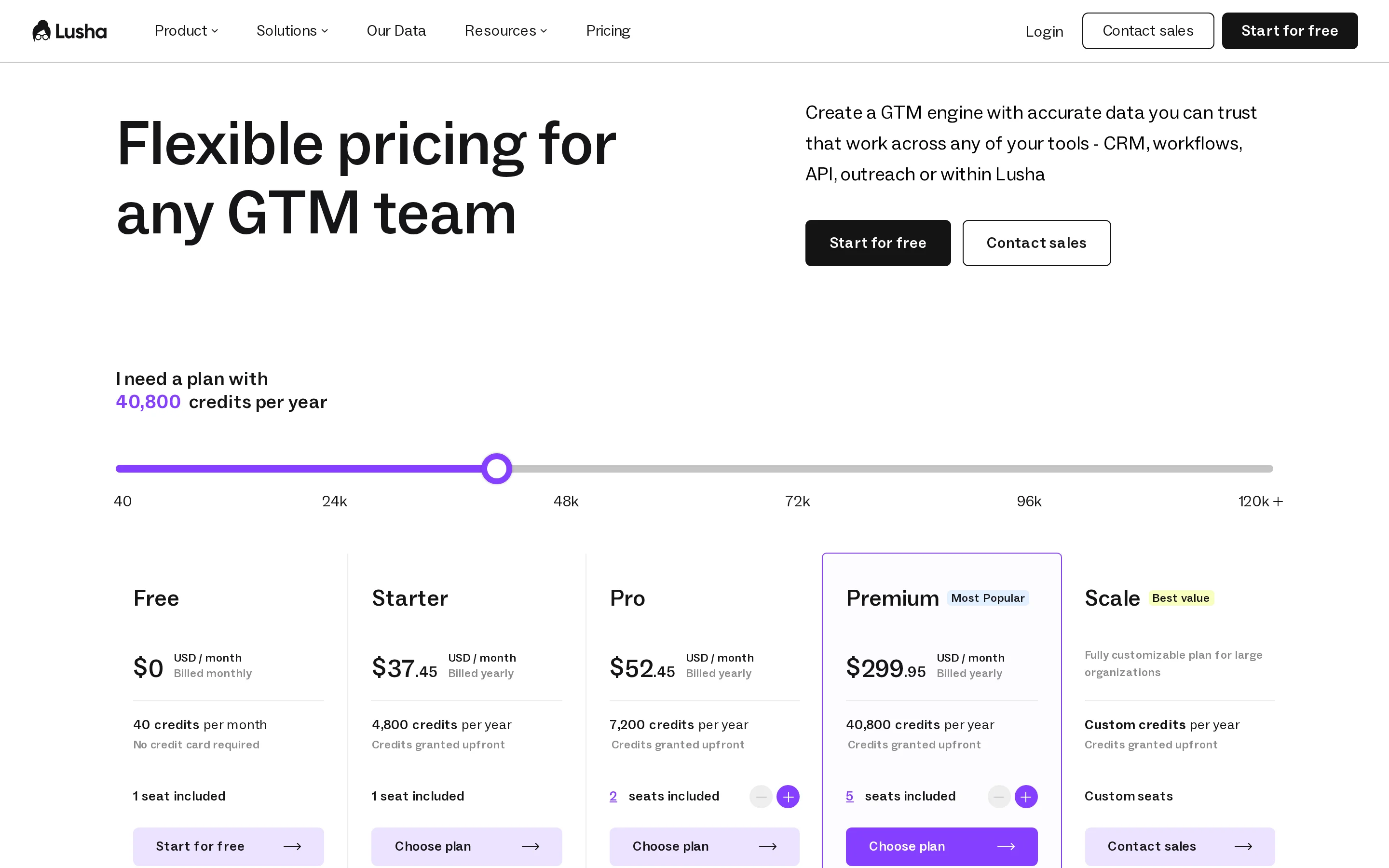
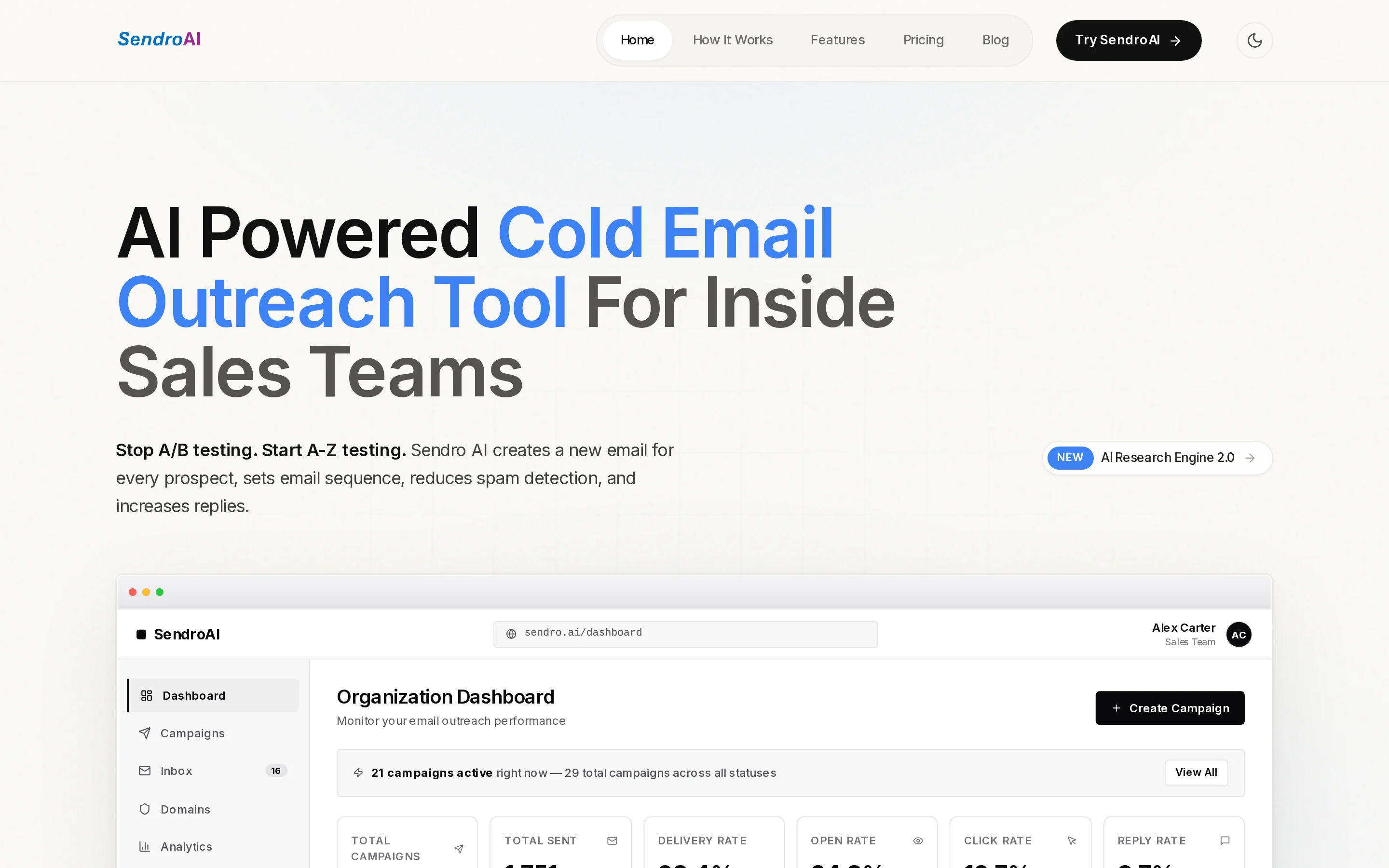
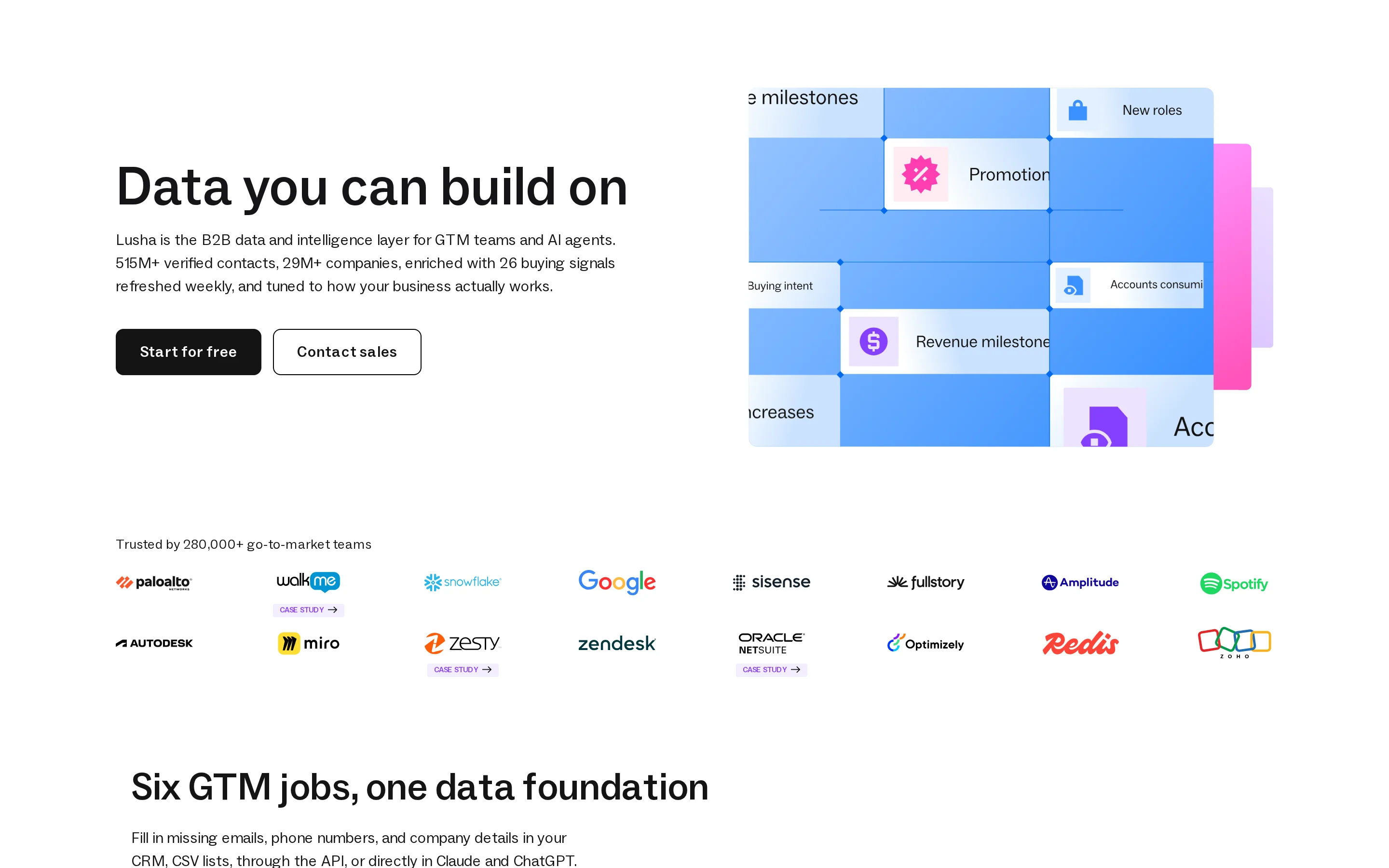
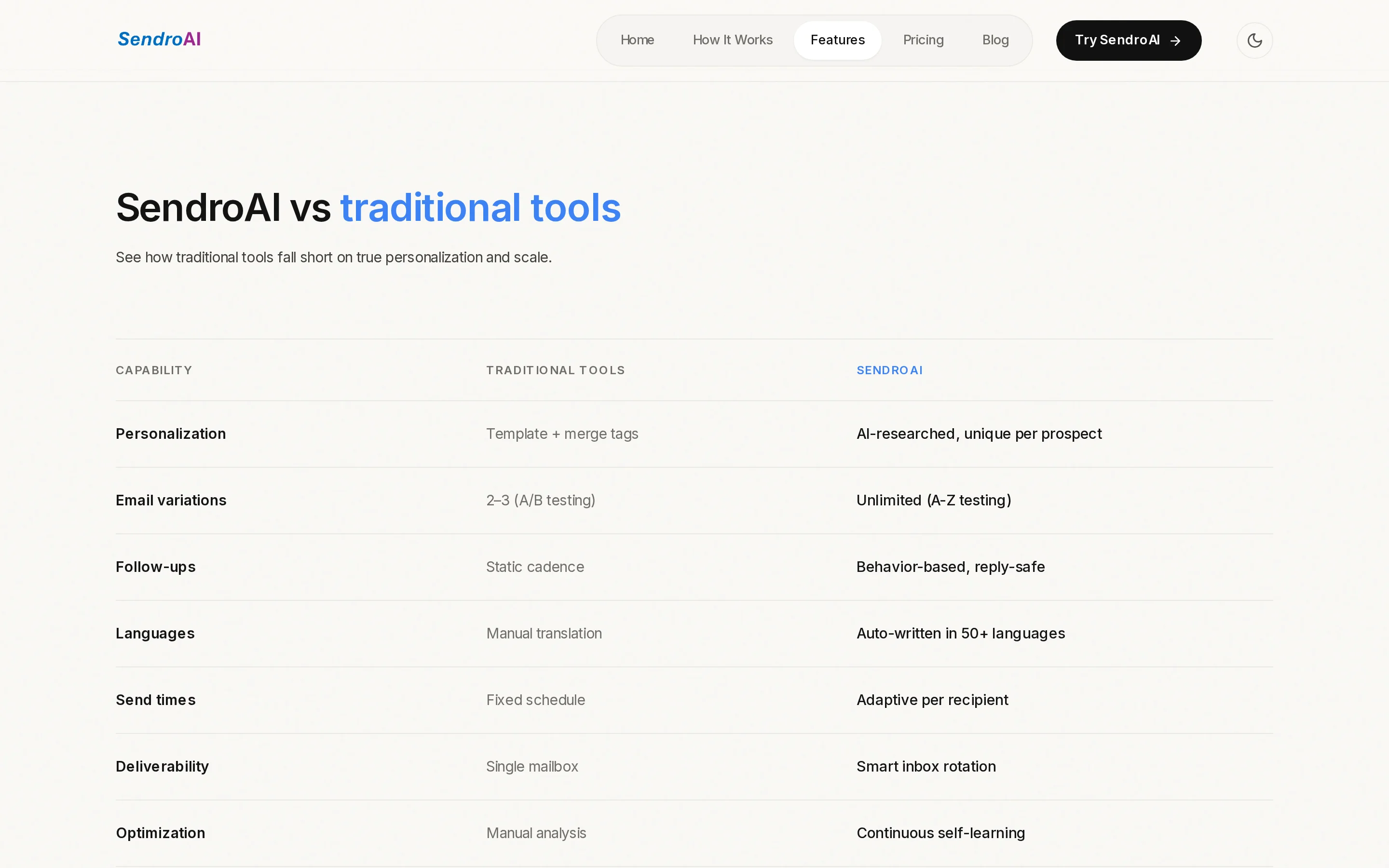
The fundamental architectural difference between SendroAI and Lusha lies in how they approach personalization. Lusha operates as a static data enrichment engine; it provides verified contact details and firmographic signals that users must manually or semi-manually integrate into email templates using merge tags. This results in 'template + merge tag' personalization, where the core message remains identical across thousands of recipients, differing only by name or company title. In contrast, SendroAI utilizes an Autonomous AI Research Engine that scrapes real-time company positioning, buying signals, and role-specific context before drafting a single word. Every email is written from scratch, ensuring that no two emails are ever templated or reused.
For daily execution, this distinction drastically alters the SDR workflow. With Lusha, a rep spends significant time researching a prospect’s recent news or tech stack to craft a relevant opening line, then pastes it into a sequence tool. SendroAI automates this entire cognitive load. It analyzes the prospect's company in seconds, synthesizes those signals into a unique narrative, and generates a hand-written-feeling email instantly. This allows teams to scale 1:1 relevance without scaling headcount. While Lusha excels at finding the right person, SendroAI ensures the message sent to them is uniquely tailored to their current business reality, significantly increasing reply rates by avoiding generic patterns that spam filters and buyers ignore.
The tradeoff is clear: if your strategy relies on high-volume, low-touch blasts using standard templates, Lusha’s database is sufficient. However, for teams prioritizing reply rates and inbox placement, SendroAI’s autonomous research eliminates the 'pattern detection' issues inherent in template-based outreach. By never reusing templates, SendroAI protects deliverability while delivering superior personalization depth.