Autonomous Research vs. Template-Based Personalization: The Quality of First Touch
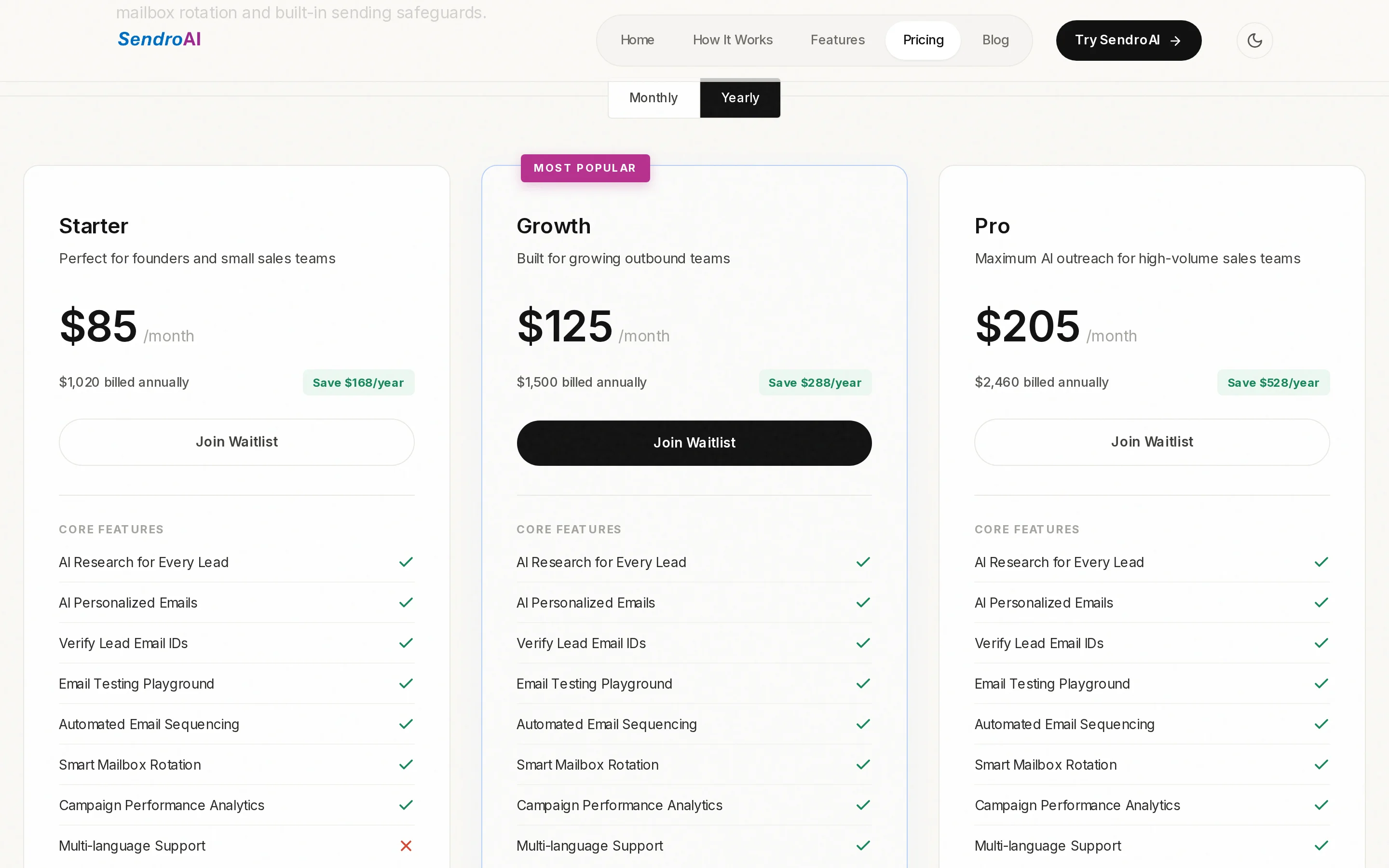
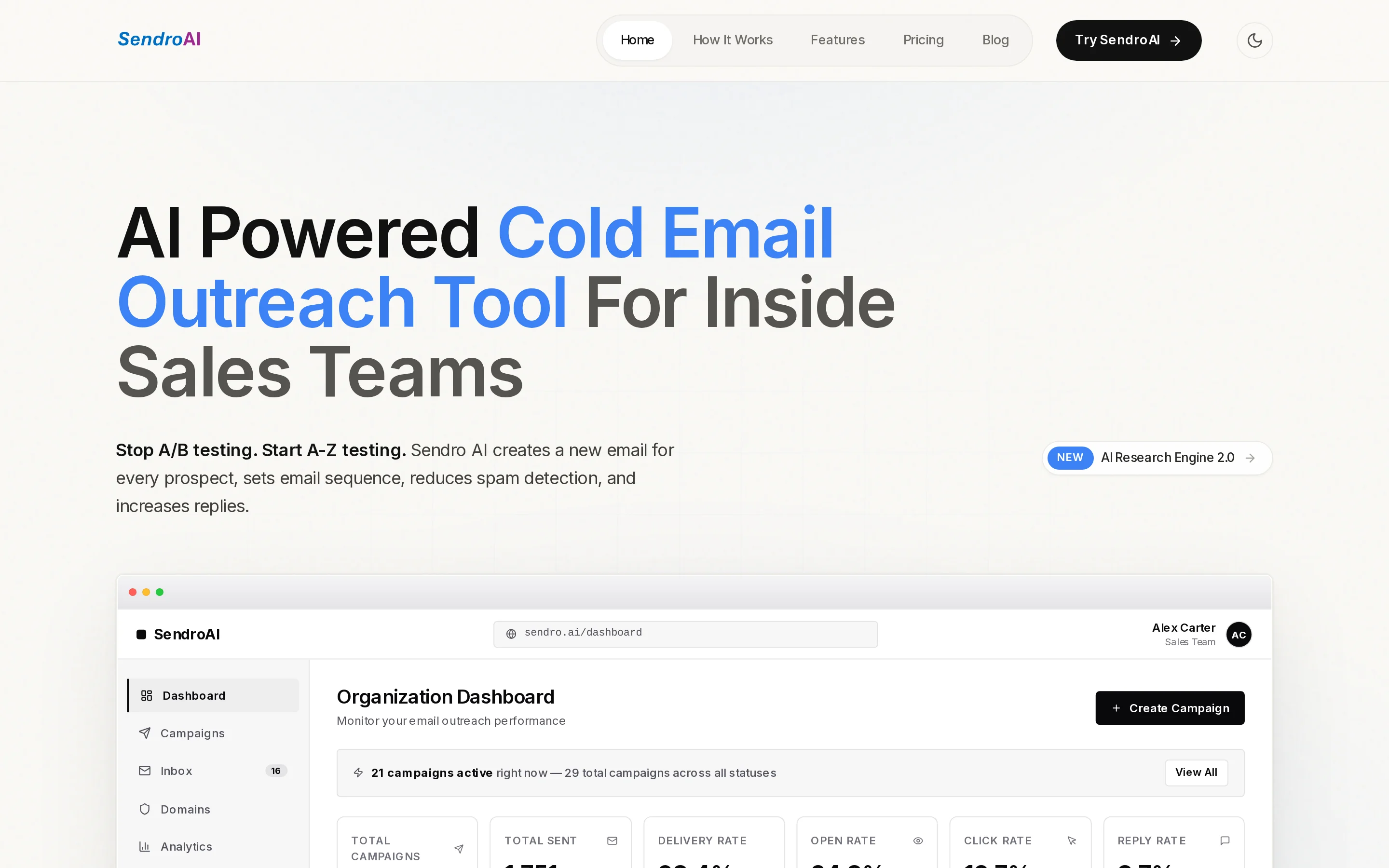
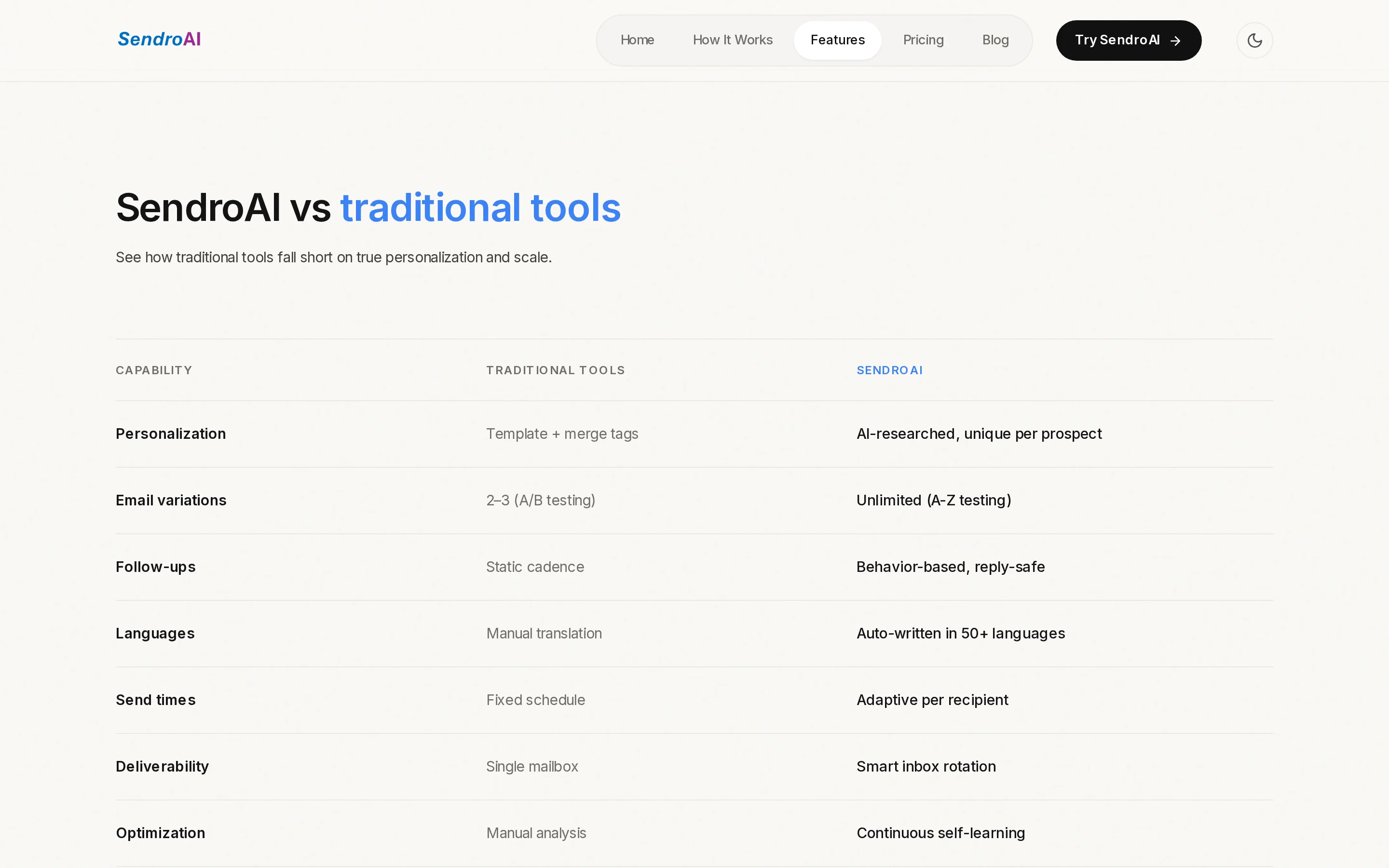
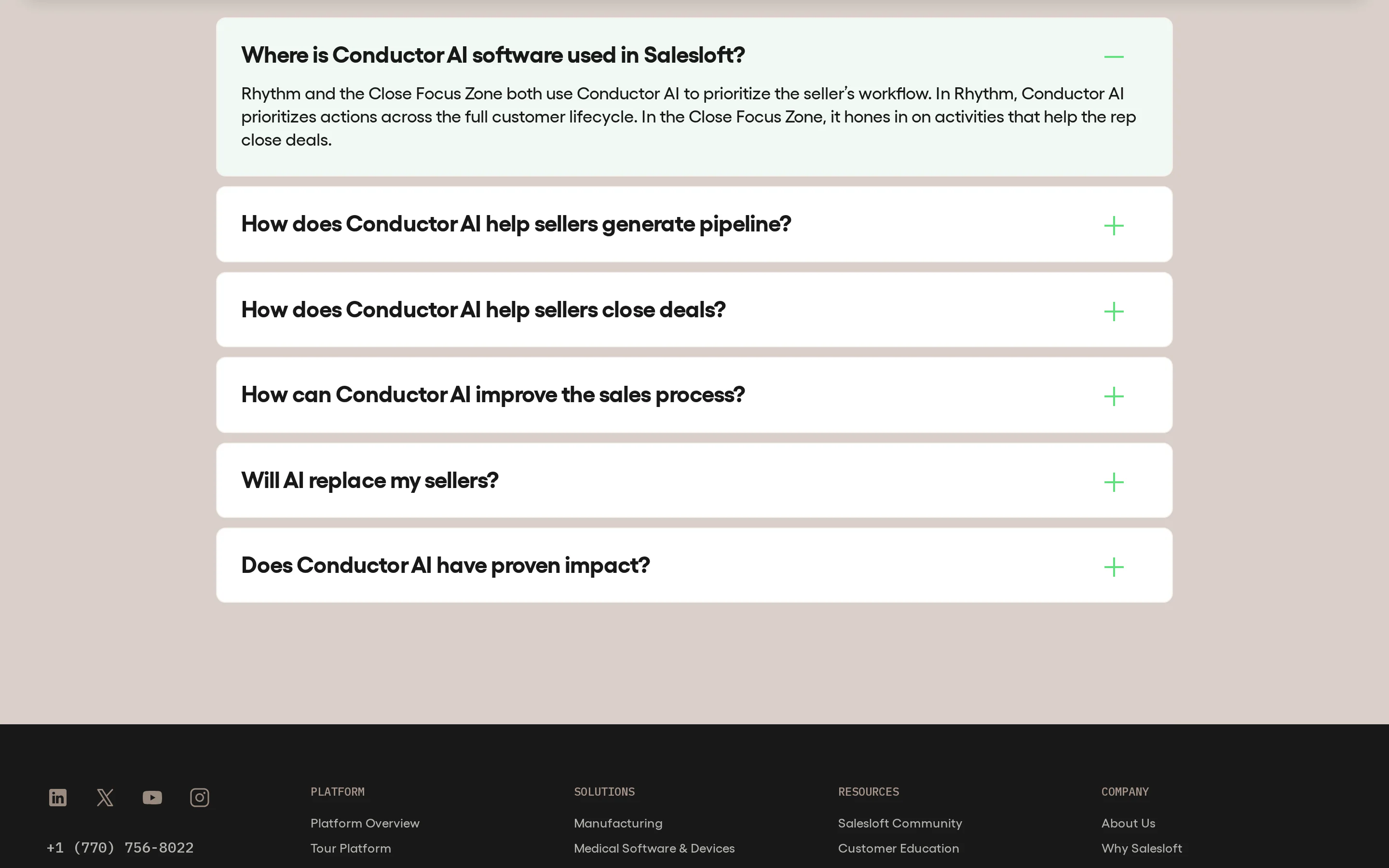
The fundamental architectural difference between SendroAI and Salesloft lies in how they approach personalization. SendroAI utilizes an AI Research Engine that scrapes real-time company and prospect intelligence before writing a single word. This means every email is unique, hand-written-feeling, and context-rich, eliminating the 'template fatigue' that buyers have developed against generic outreach. In contrast, Salesloft relies on structured cadences and templates where personalization is limited to merge tags (e.g., {{First Name}}, {{Company}}). While Salesloft’s Conductor AI helps prioritize workflow, it does not generate unique, researched copy for each touchpoint, leaving reps to manually craft or rely on static templates that spam filters increasingly flag.
In daily execution, SendroAI saves SDRs hours of manual research by synthesizing buying signals into custom outreach sequences instantly. A rep can import a list of 100 prospects, and SendroAI will research each one individually, creating 100 unique emails. With Salesloft, the workflow often involves selecting a template and hoping the merge tags provide enough relevance to trigger a reply. This leads to a significant disparity in engagement: SendroAI’s approach yields an average reply rate of 8.7% compared to legacy template-based methods which often hover around 1.8%, as identical templates sent to multiple leads trigger spam filter pattern detection.
The tradeoff is clear: if you need speed at the cost of relevance, Salesloft’s templates work. However, for high-value account executive outreach where personalization is key, SendroAI wins decisively. The autonomous research ensures that the first touch is relevant to the prospect’s current role, company positioning, and market signals, drastically increasing the likelihood of a reply while protecting sender reputation by avoiding repetitive text patterns.