Core AI Function & Intent: Autonomous SDR vs. Contextual Workflow Assistant
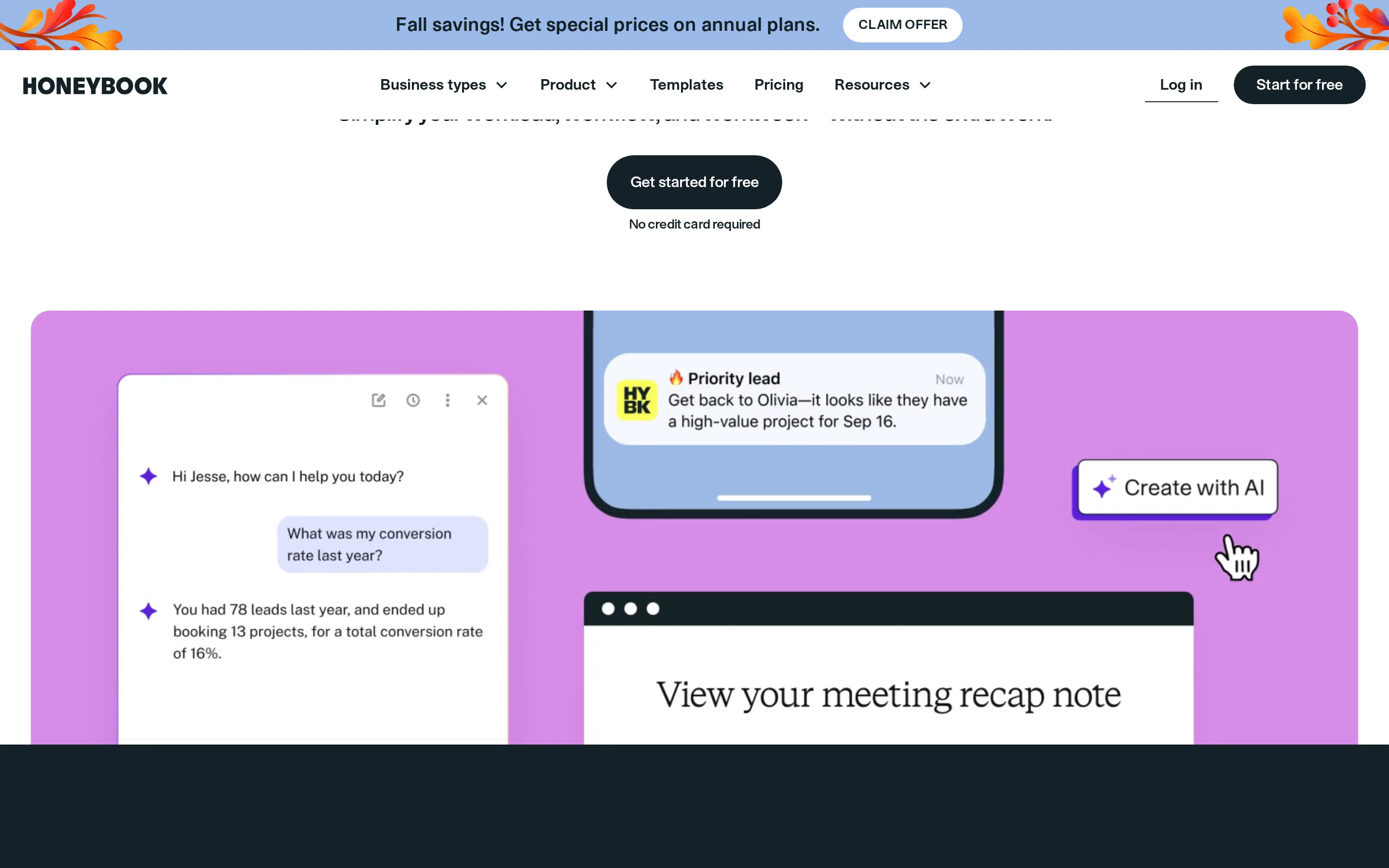
Setter AI operates as an active, outbound/inbound sales agent focused exclusively on lead qualification and calendar booking. Its architecture is built around speed, aiming to contact leads within 10 seconds of submission via website chat, SMS, or WhatsApp. The AI is trained to qualify prospects and book appointments directly into Calendly, effectively replacing slow human SDRs. In contrast, HoneyBook AI functions as a passive, internal productivity assistant. It leverages proprietary machine learning to understand client context, brand tone, and project finances to simplify existing workflows rather than autonomously driving new revenue.
In terms of execution, Setter AI’s AI is proactive; it initiates conversations, follows up with unresponsive leads, and handles objections in real-time. It is designed to convert leads into meetings, acting as the first line of defense in the sales funnel. HoneyBook AI, however, is reactive and administrative. It assists with drafting personalized responses, summarizing meetings, tracking project milestones, and highlighting key insights from existing data. While Setter AI seeks to generate new pipeline, HoneyBook AI seeks to optimize the efficiency of managing existing client relationships.
The tradeoff here is clear: if your primary goal is aggressive top-of-funnel acquisition and reducing time-to-lead, Setter AI is the superior tool. If your goal is to reduce administrative overhead and improve the quality of client interactions post-sale, HoneyBook AI adds significant value. Setter AI is a growth engine; HoneyBook AI is an operational optimizer.