
Pipeline Architecture: Visual Stage-Centric Workflow vs. Modular Entity-Driven Data Model
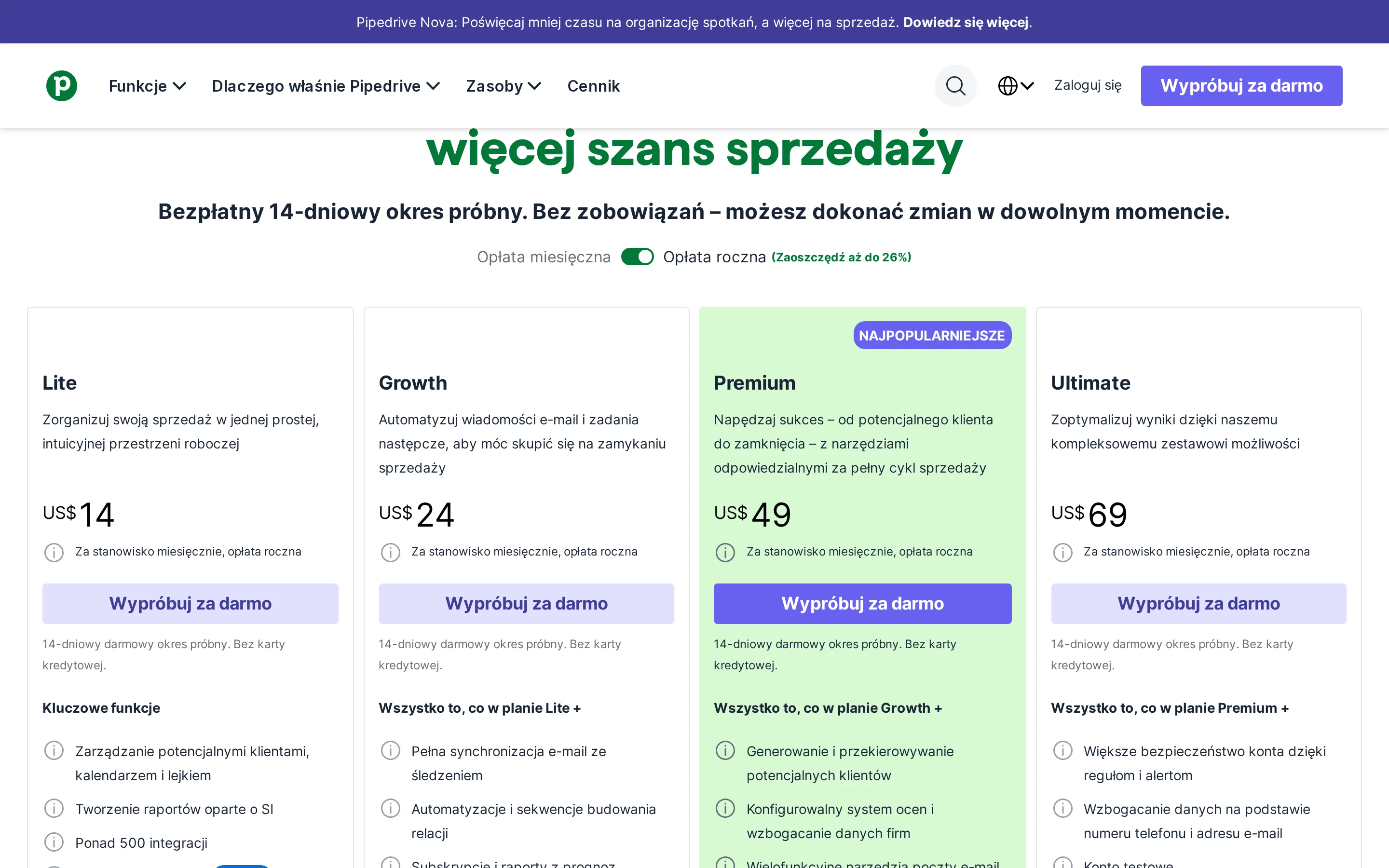
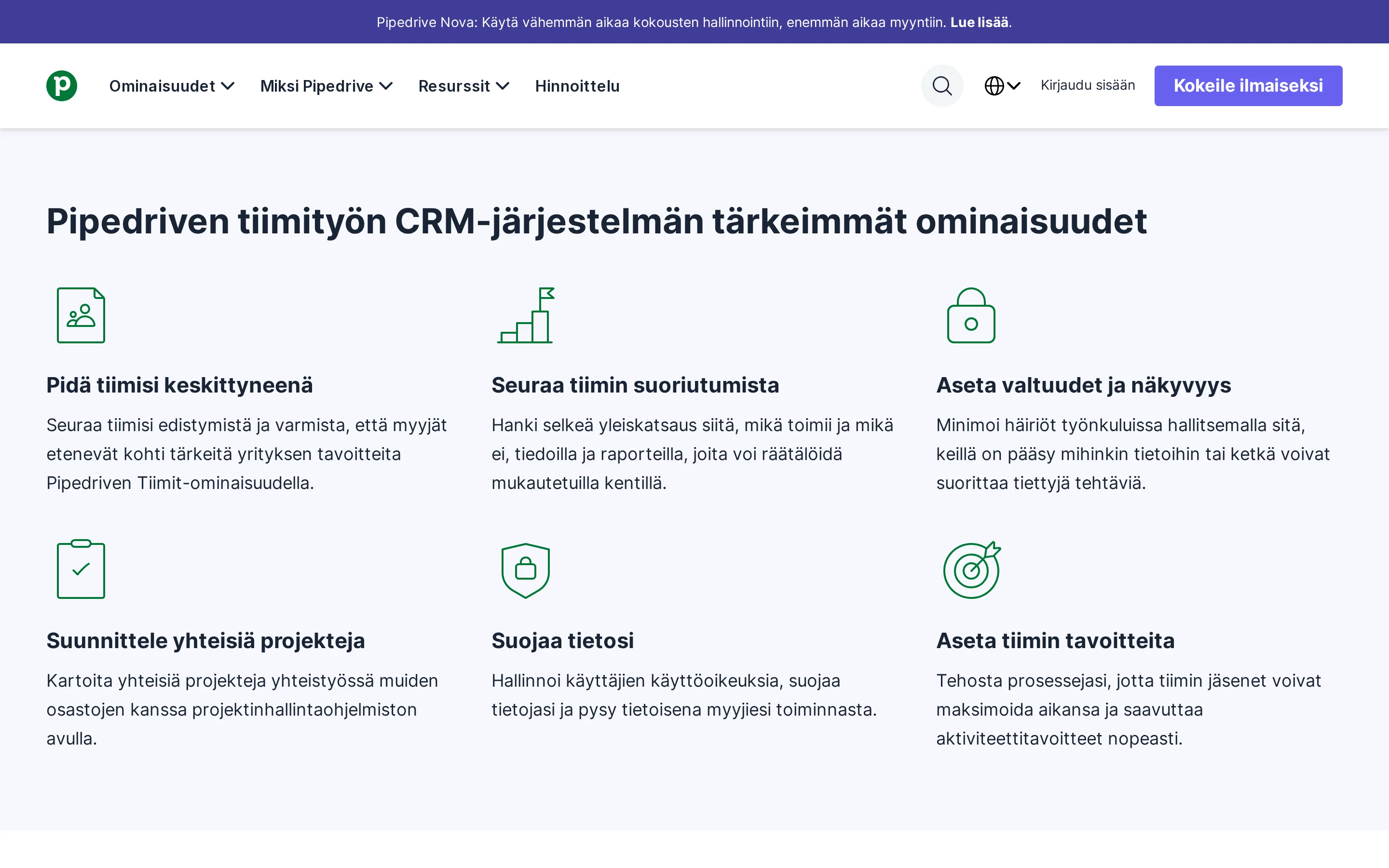
Pipedrive’s architecture is fundamentally built around the concept of a 'deal' moving through a linear, visual pipeline. This stage-centric model prioritizes activity-based tracking, where the primary metric of success is the movement of a contact from one column to another. The interface is designed for minimal cognitive load, allowing sales representatives to drag-and-drop deals with ease. However, this simplicity comes at the cost of data depth; Pipedrive does not natively support complex relational data structures or custom modules without significant workarounds or third-party integrations. It is a tool for managing known opportunities rather than discovering new ones.
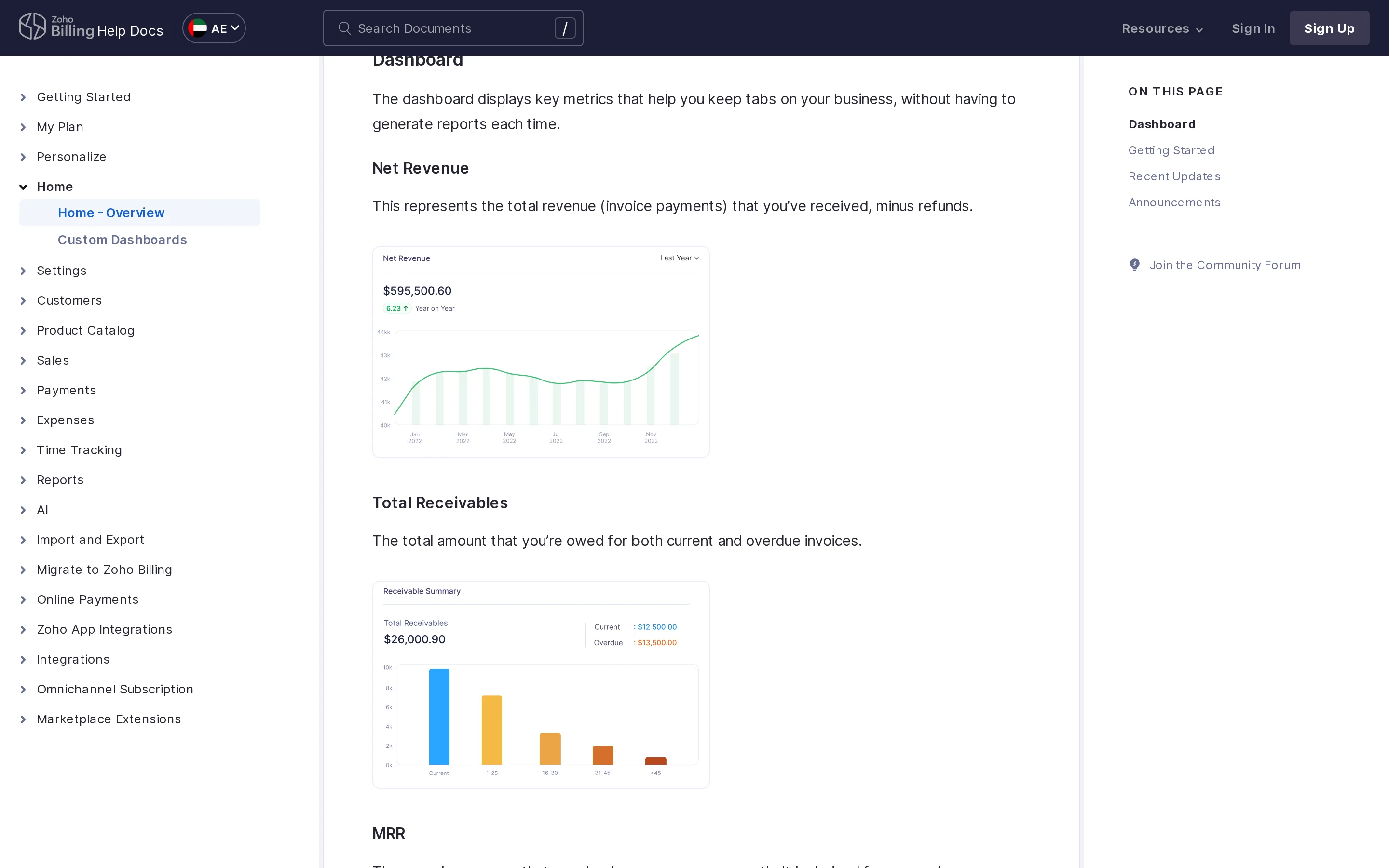
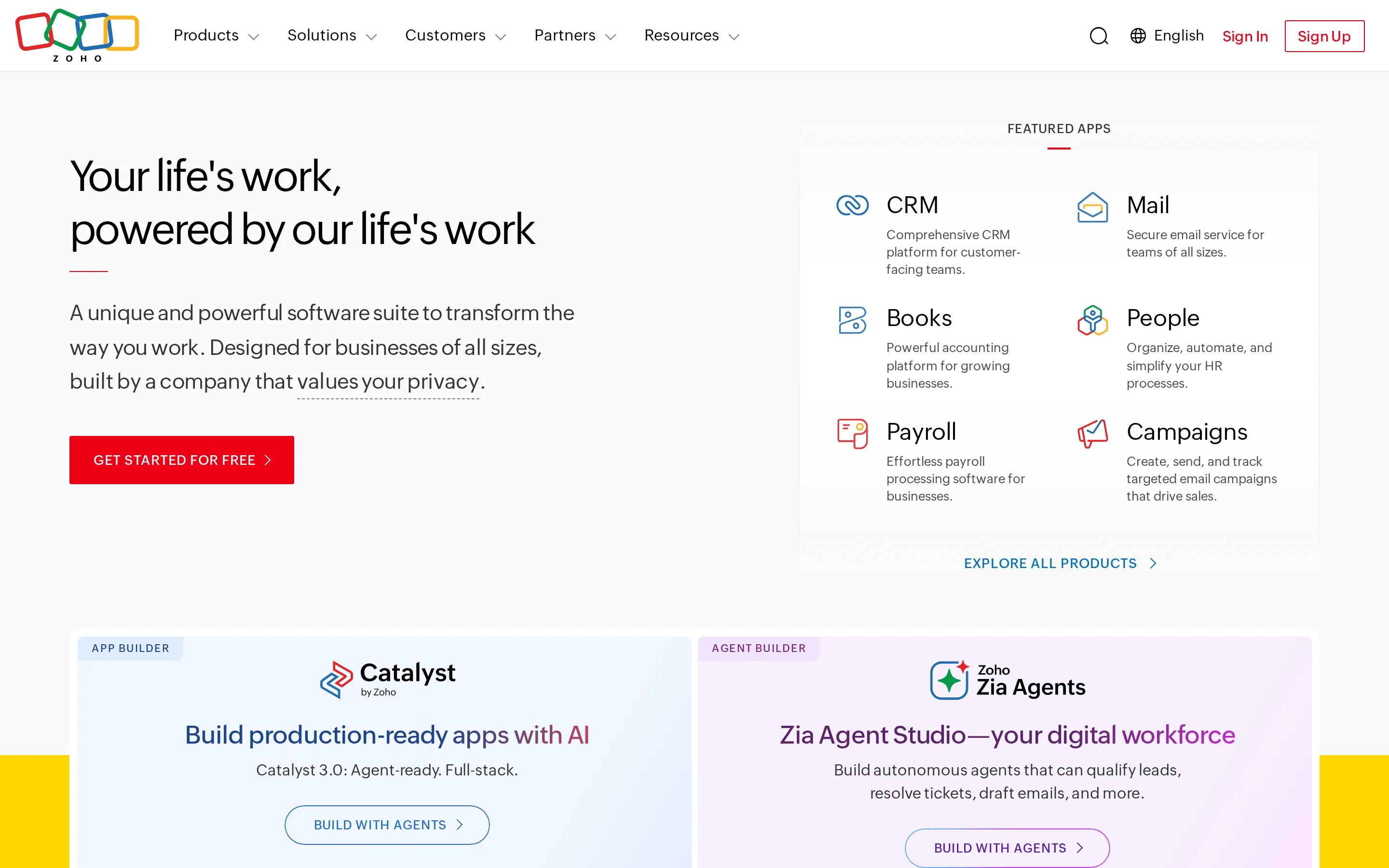
In contrast, Zoho CRM employs a modular, entity-driven data model that mirrors the complexity of modern business operations. Instead of a single linear pipeline, Zoho allows for multiple pipelines, custom modules (such as Projects, Inventory, or Support), and intricate relationships between records. The use of 'Blueprints' enforces strict stage progression and data validation, ensuring that sales reps cannot move a deal forward without completing critical tasks or capturing specific data points. This architecture supports high-volume prospecting by integrating seamlessly with Zoho’s lead database and enrichment tools, creating a unified view of the customer journey from first touch to closed won.
The architectural winner depends on the maturity of your sales process. For teams focused purely on closing existing leads with minimal administrative overhead, Pipedrive’s visual simplicity is unmatched. However, for organizations requiring rigorous data hygiene, multi-object relationship mapping, and scalable outbound prospecting capabilities, Zoho CRM’s modular entity model provides the necessary structural integrity. Pipedrive’s lack of native custom modules and lead databases makes it less suitable for complex, high-volume outbound strategies that require deep data manipulation.