
AI Execution Model: Proactive Autonomous Agents vs. Generative Content Assistants
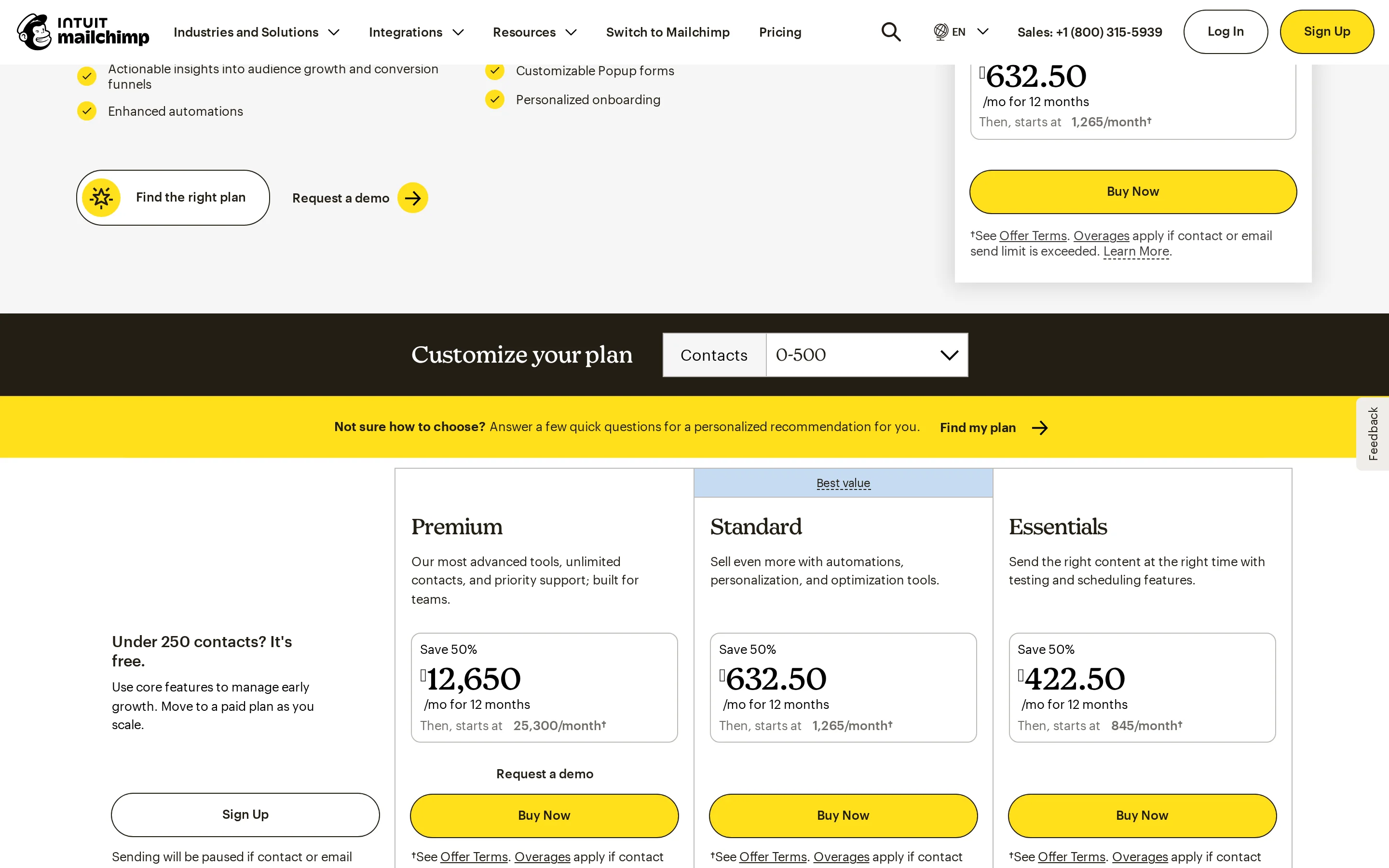
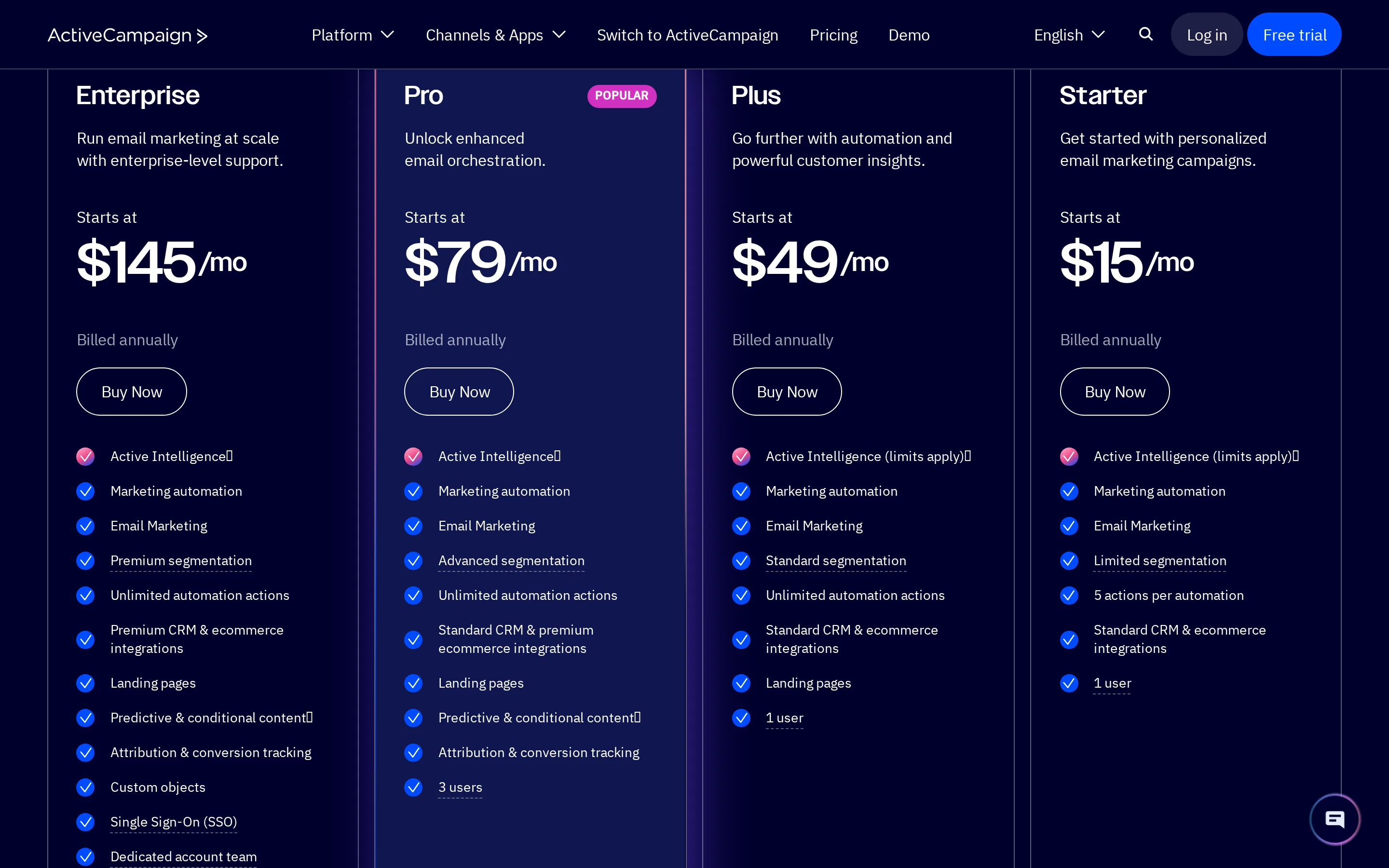
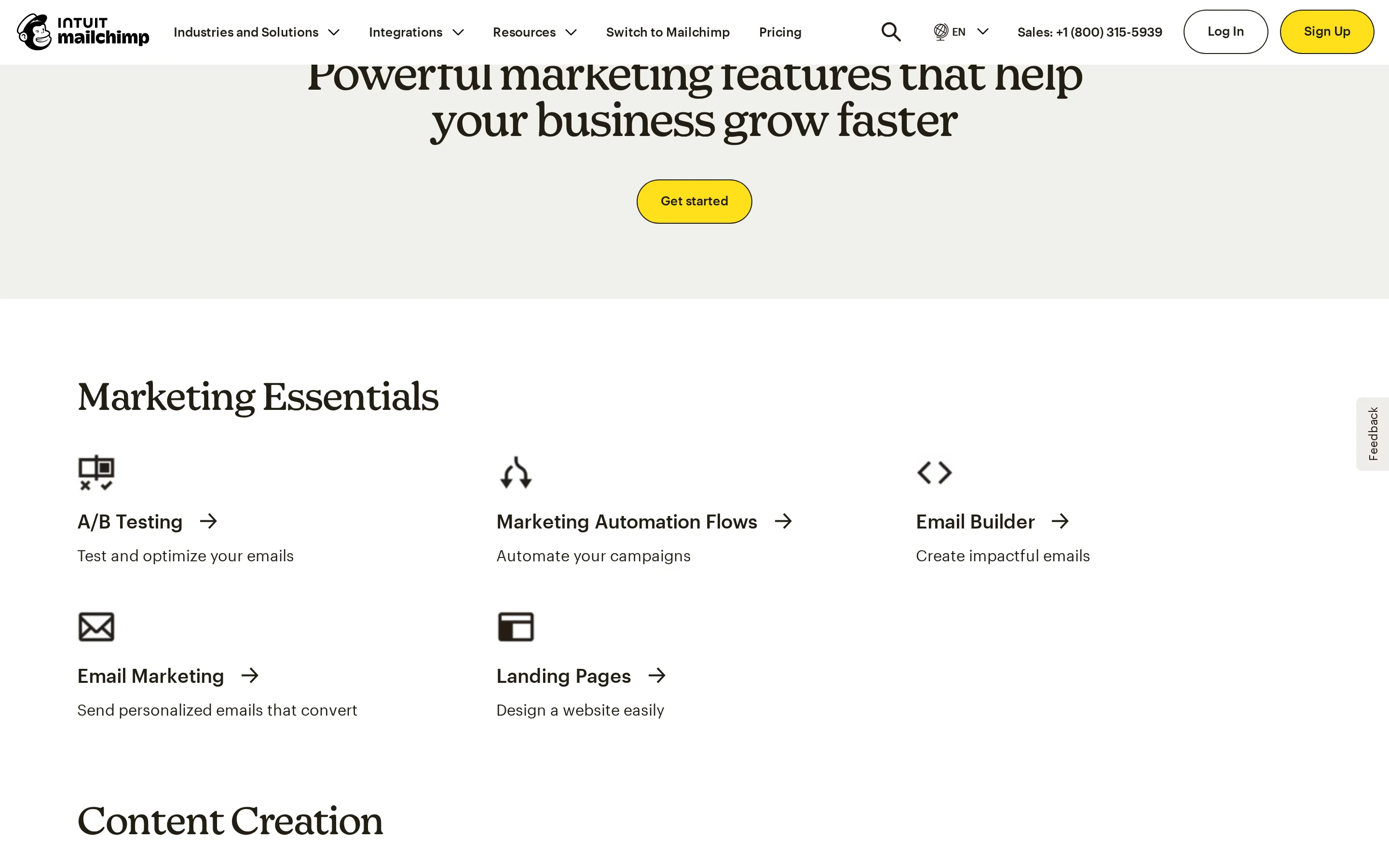
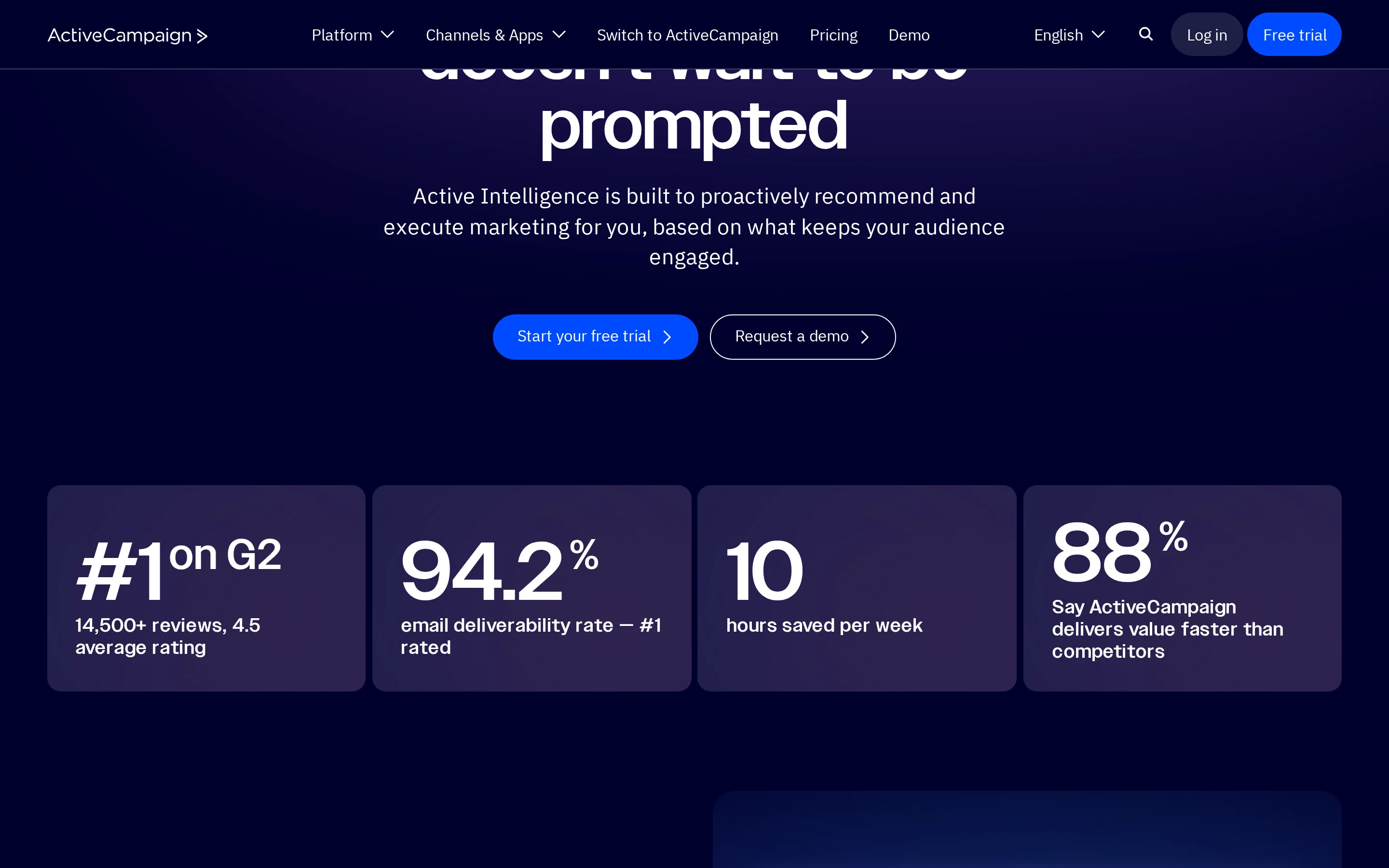
The architectural difference lies in autonomy. ActiveCampaign’s 'Active Intelligence' is designed as an autonomous agent system. It proactively monitors automation workflows for breaks, drafts entire campaigns based on calendar events without user prompting, and executes scheduled tasks in the background. This represents a shift from 'tool-assisted' to 'agent-led' marketing. In contrast, MailChimp’s AI strategy focuses on 'Generative AI features' and 'Actionable Insights.' While powerful for content creation (drafting copy, suggesting subject lines) and predictive segmentation, these features generally require human initiation and review. MailChimp acts as a sophisticated assistant, whereas ActiveCampaign aims to be an autopilot.
In daily operations, this means ActiveCampaign can reduce the 'busywork' significantly. For example, if a holiday approaches, Active Intelligence might automatically queue a promotional email series. With MailChimp, the marketer must identify the opportunity via insights, then manually trigger the campaign creation using AI writing tools. For lean sales teams, ActiveCampaign’s proactive model offers higher leverage per hour worked. However, for brands requiring strict creative control and brand voice adherence, MailChimp’s human-in-the-loop approach provides safer guardrails against generic AI outputs.
Verdict: ActiveCampaign wins for operational efficiency and scale. If your goal is to automate the *execution* of outbound sequences, ActiveCampaign’s autonomous architecture is superior. MailChimp remains the better choice if your bottleneck is *creative ideation* rather than workflow management.